
Finanças
10 Best Investments: Where to Invest in 2026
Discover the top investment options for 2026, from high-yield savings accounts to index funds, with practical guidance for building a diversified portfolio.
Personal finance, investing, and money management for the US audience.
Discover the top investment options for 2026, from high-yield savings accounts to index funds, with practical guidance for building a diversified portfolio.

Your first $1,000 can grow into a substantial sum over decades. Here's how to invest it wisely when you're just starting out with no income.

Turn your 2026 tax refund into long-term wealth with these proven strategies for retirement accounts, emergency savings, and low-cost investments.

Black Friday deals can derail even the best financial plans. Learn how to set spending limits, prioritize purchases, and avoid impulse buys while still scoring real savings.

Certified Financial Planners who work with millionaire clients observe consistent patterns in how wealthy individuals manage money. These habits span disciplined spending, systematic saving, and strategic investing.

Compare the top high-yield savings accounts offering up to 5.00% APY. Find FDIC-insured accounts with no monthly fees and easy access to your emergency fund.

The IRS is sending notices about a new federal retirement savings match that could put up to $1,000 directly into your retirement account. Here's who qualifies and how to claim it.

Transform your IRS refund into long-term wealth by directing it toward retirement accounts, catch-up contributions, and strategic debt reduction.

The IRS has set new retirement plan contribution limits for 2027, with increases across 401(k), IRA, and other tax-advantaged accounts, plus enhanced catch-up provisions for older savers.

Use your annual enrollment window to optimize contributions, rebalance investments, and capture every dollar of employer match before the year closes.

Federal Reserve data shows the median retirement account balance for Americans ages 65 to 74 is $200,000, but the numbers reveal significant disparities and challenges in retirement readiness.

Traditional 401(k) accounts carry a hidden tax burden at retirement. Learn which ETF categories to hold in Roth accounts for truly tax-free growth.
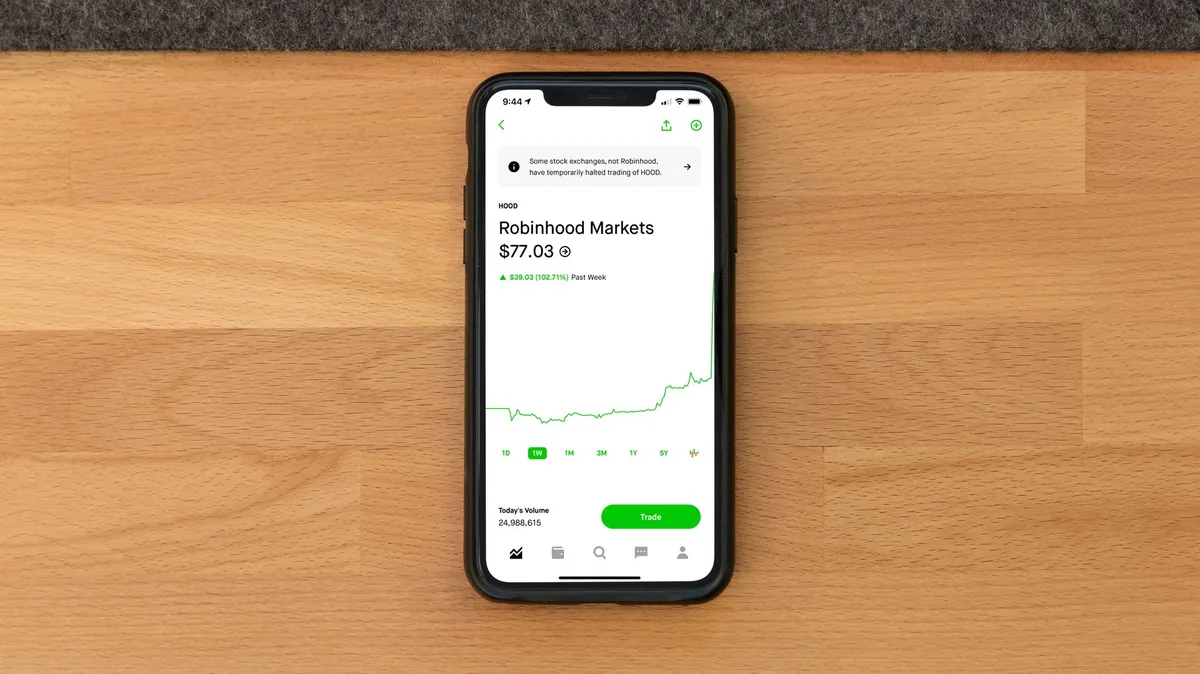
Payment and banking apps you already use now offer stock investing with fractional shares and micro-investing features designed for beginners.

Learn the warning signs of investment bubbles through real examples from the AI boom and protect your portfolio from speculative excess.

Learn the step-by-step process to analyze semiconductor stocks, from understanding industry fundamentals to evaluating specific companies like ASML Holding.

Artificial intelligence investments are powering a significant share of US GDP growth in 2026, but economists warn the boom may not last without broader productivity gains.

After 40 investors rejected his pitch, Jeff Bezos' parents invested nearly a quarter million in retirement savings into Amazon. The decision illustrates critical lessons about early-stage equity risk and family capital.

Compare the three leading brokerages for index fund investing and find the best fit for your goals, budget, and tax situation.
The Federal Reserve's latest projections signal sustained higher rates through 2026, offering savers the best returns on cash in over a decade.

Learn how I-bonds and Treasury bills work as government-backed investments that offer safety, predictable returns, and protection against inflation.

The May 2026 I-bond rate announcement brought a new composite rate. Here's what it means for buying and redeeming decisions.

The new I bond composite rate is 4.26% for purchases from May 1, 2026 through October 31, 2026. Here is how to decide whether buying or redeeming makes sense.

The next scheduled Fed decision is not this week, but savers should still watch rate signals closely. High-yield savings accounts and CDs can reprice before and after Fed meetings.

Rate-cut talk can push savings yields lower before households notice. Here are three practical moves to consider before your cash earns less.

Understanding the federal income tax brackets for 2025 and 2026, how marginal rates work, and what the inflation adjustments mean for your tax planning.
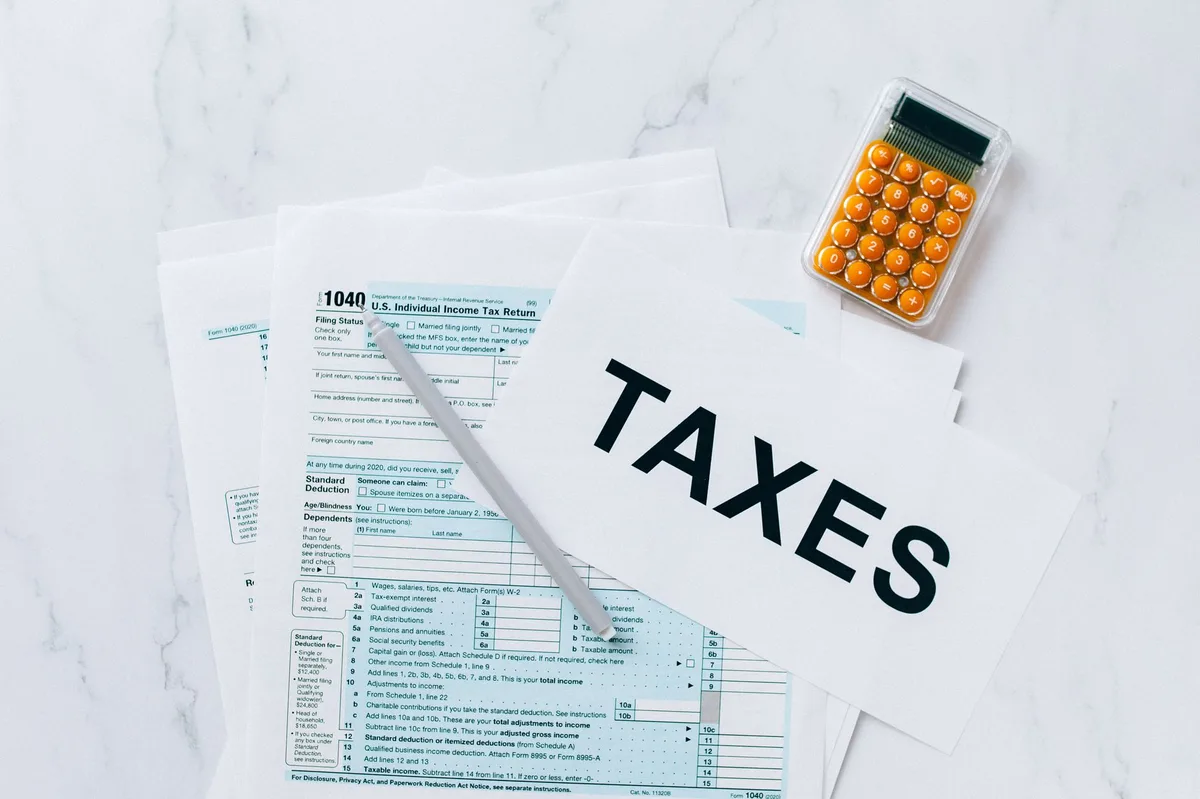
Navigate tax filing season successfully by steering clear of these common mistakes that cost taxpayers thousands each year.

Tax legislation changes can significantly impact Roth conversion strategies. Learn how to adjust your retirement planning when new tax bills pass.

A Michigan retiree lost $1 million to scammers impersonating IRS agents. Learn the warning signs and concrete steps to protect yourself from tax-related fraud.

Learn proven strategies to minimize taxes on your investments and keep more of your returns, from asset location to tax-loss harvesting.

The 2027 HSA contribution limits are $4,550 for individuals and $9,050 for families, with a $1,000 catch-up for those 55 and older. Here's how to maximize contributions before year-end.
Learn the two proven methods to eliminate credit card debt and choose the strategy that fits your financial personality.

Your FICO score depends heavily on payment history and credit utilization. Understanding how debt payoff affects these factors helps you build credit faster.

Learn how to navigate income-driven repayment plans and select the right strategy to manage your federal student loan debt effectively.

Learn the exact formula to decide whether a balance transfer fee pays off, and how to execute a transfer that actually cuts your debt cost.

Your credit card balances report every month and can swing your score fast. Here's how utilization works and when changes hit your credit report.
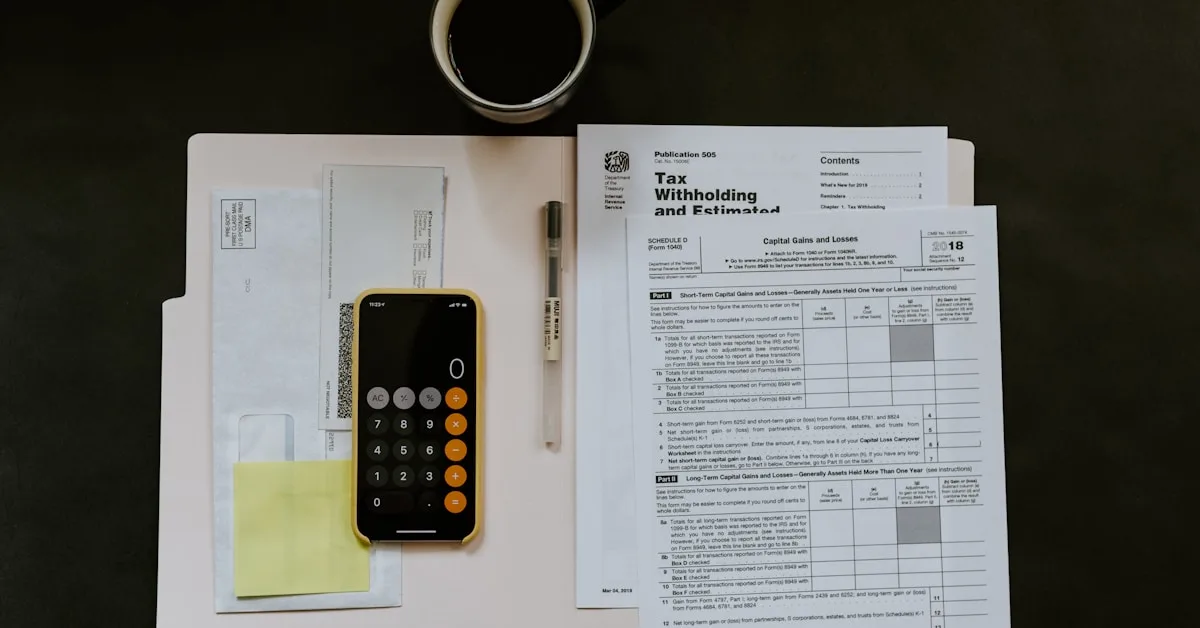
Learn the complete calculation behind choosing between a car loan and paying cash, including loan interest and opportunity cost.

UTMA and UGMA accounts let you invest for a minor's future. Here's what these custodial accounts are, how they work, and the step-by-step process to open one at Fidelity.

When the Federal Reserve adjusts interest rates, your savings account yield follows. Here's what to expect and how to protect your returns.

The Federal Reserve's October rate decision directly affects high-yield savings account returns. Here's what the latest FOMC meeting means for your cash savings.

Compare top high-yield savings accounts and learn how FDIC insurance protects your deposits up to $250,000.

The Federal Reserve's July rate decision ripples directly to your savings account. Here's when to expect changes and what savers should do now.
Understanding the key economic signals and pressures that could drive the Federal Reserve to pivot from its current monetary policy stance.

The Fed's dual mandate creates real tension when inflation and employment pull policy in opposite directions.

Expert forecasts suggest gradual Federal Reserve policy shifts over the next two years, with key implications for savers, borrowers, and investors.

Compare the avalanche and snowball debt payoff methods to find the strategy that fits your financial situation and psychology.

Compare federal income-driven repayment plans, standard repayment, and refinancing to choose the best strategy for your student loan debt.

A step-by-step guide to eliminating debt, building financial stability, and beginning your investment journey with confidence.

Gold prices often rise when investors anticipate Federal Reserve rate decisions. Understanding this relationship helps you position precious metals in your portfolio.
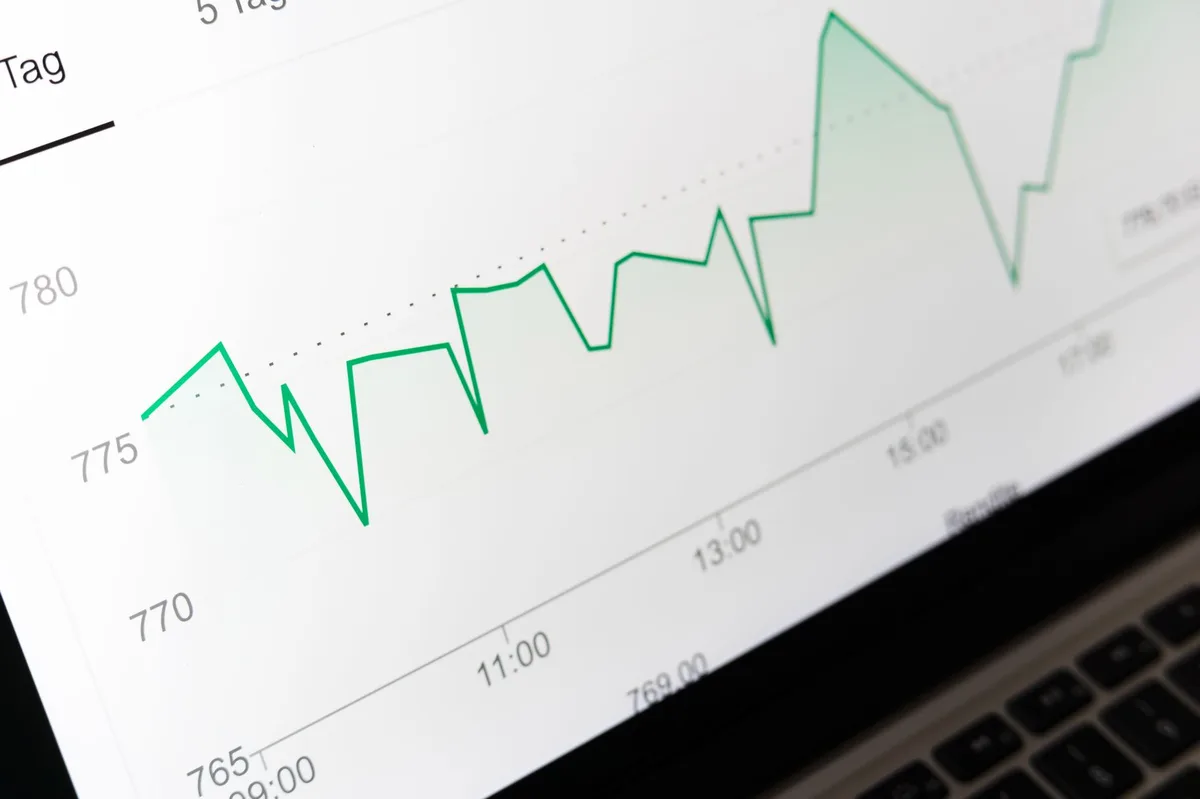
Artificial intelligence is reshaping the economic fundamentals that central banks track when setting interest rates, from productivity gains to investment demand and inflation patterns.

The Fed's latest decision points to a longer period of elevated savings yields. That can help savers, but only if they keep comparing APYs and staying within deposit insurance limits.
Get new articles?
Want notifications about new articles and tools? You can unsubscribe anytime, and we store no personal data about you.
