How to Protect Yourself from IRS Phone Scams: Lessons from a $1 Million Loss
A Michigan retiree lost $1 million to scammers impersonating IRS agents. Learn the warning signs and concrete steps to protect yourself from tax-related fraud.

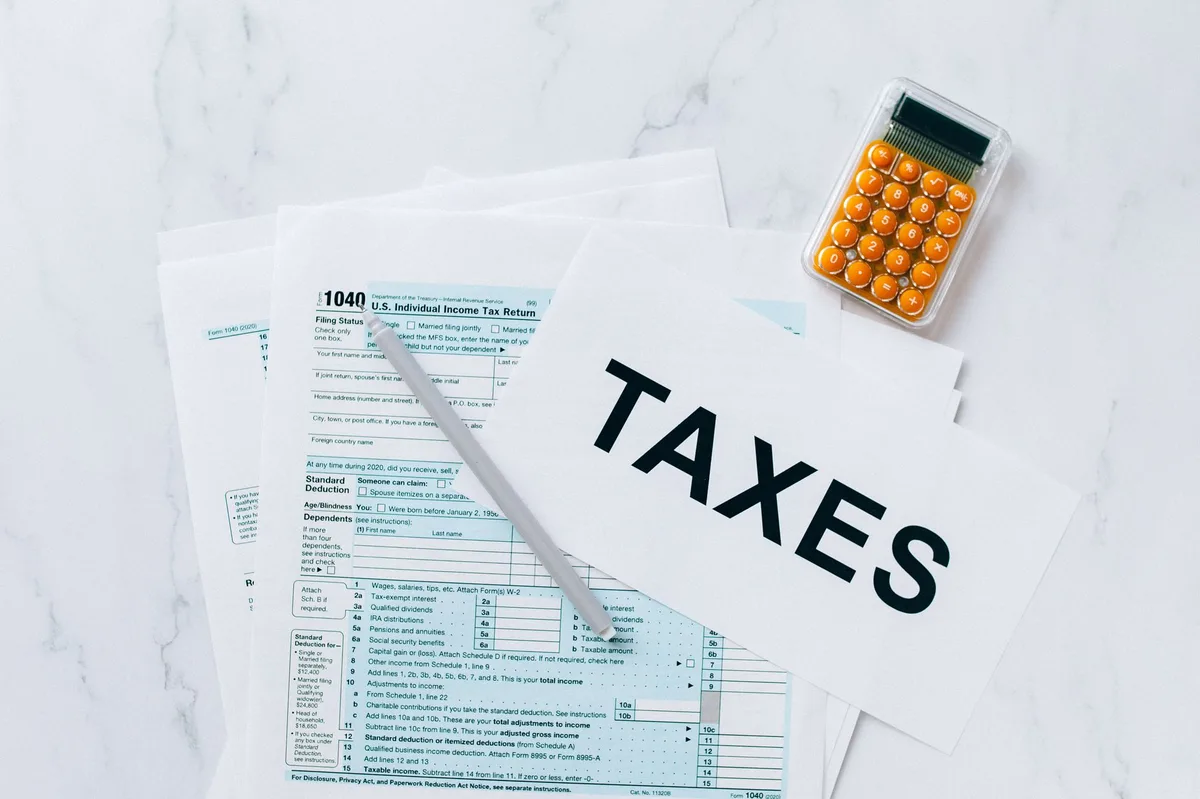
Pexels - RDNE Stock project · original
In this article
In early 2026, a retired Michigan resident transferred nearly $1 million to scammers posing as IRS agents. The caller claimed the victim owed back taxes and faced immediate arrest unless payment was made through wire transfers and cryptocurrency. Over several weeks, the retiree complied with increasingly urgent demands, draining retirement accounts and liquidating investments before family members intervened.
This case represents one of the largest individual losses to IRS impersonation fraud on record, but the tactics are disturbingly common. According to the Internal Revenue Service, tens of thousands of Americans receive fraudulent IRS calls each year, with losses totaling hundreds of millions of dollars (Internal Revenue Service, 2026). The scheme works because scammers exploit fear, urgency, and the legitimate authority of the IRS to bypass normal skepticism.
Understanding how these scams operate and how to verify genuine IRS contact can protect you from devastating financial loss. This guide walks through the specific steps to recognize, verify, and respond to suspicious IRS communications.
What You Will Learn
This guide covers five essential steps to protect yourself from IRS phone scams: recognizing the warning signs that distinguish fraud from legitimate contact, verifying whether the IRS actually needs to reach you, protecting your personal and financial information during any interaction, reporting suspicious calls to the proper authorities, and implementing financial safeguards that limit scam exposure. You will also learn the most common mistakes victims make and how the IRS actually communicates with taxpayers.
Step 1: Recognize the Warning Signs of IRS Impersonation
The IRS follows strict protocols when contacting taxpayers. Any deviation from these patterns signals fraud.
Immediate payment demands. Scammers create artificial urgency by claiming you owe taxes that must be paid within hours to avoid arrest, asset seizure, or deportation. The real IRS sends multiple written notices over weeks or months before taking collection action. You always have time to verify a tax debt and arrange payment.
Threats of arrest or law enforcement action. Callers may claim a warrant has been issued or that local police are en route to your home. The IRS does not threaten arrest over the phone. Criminal tax cases are handled through formal legal proceedings with documented notice, not surprise phone calls.
Specific payment methods required. Scammers demand payment via wire transfer, prepaid debit cards, gift cards, or cryptocurrency because these methods are irreversible and difficult to trace. The IRS accepts checks, money orders, credit cards through official payment processors, and direct debit from bank accounts (Internal Revenue Service, 2026). The agency never requires payment via retail gift cards or cryptocurrency.
Caller ID spoofing. Fraudsters use technology to make their number appear as an official IRS phone number or local law enforcement. The displayed number means nothing. Even if caller ID shows “IRS” or a government prefix, the call may originate anywhere in the world.
Request for personal information to “verify your identity.” Scammers ask for your Social Security number, bank account details, or credit card numbers under the pretense of confirming your identity. The IRS already has your Social Security number and does not ask for it during inbound calls. Legitimate agents may ask you to verify the last four digits, but they will not request the full number, bank routing numbers, or credit card information over the phone.
Aggressive or abusive tone. IRS agents are professional. Callers who yell, use profanity, or become hostile when questioned are fraudsters trying to intimidate you into compliance.
Step 2: Verify Whether the IRS Is Actually Contacting You
If you receive a call claiming to be from the IRS, do not engage. Instead, independently verify whether you have any IRS matter pending.
Hang up immediately. Do not argue, do not ask questions, and do not provide any information. Simply end the call. Scammers are trained to keep you on the line and escalate pressure.
Check your mail for IRS correspondence. The IRS initiates contact by U.S. mail for nearly all matters. Look for official notices in your mailbox from the last 30 to 60 days. IRS letters include a notice number (such as CP14 or CP501), a phone number to call, and details about the specific tax year and amount in question. These notices are printed on official IRS letterhead with security features.
Access your IRS online account. Visit IRS.gov and log into your individual account to view your balance, payment history, and any notices the agency has sent. This account shows real-time tax data. If no balance or notice appears, the call was fraudulent.
Call the IRS directly using a verified number. If you believe you may owe taxes or have an unresolved issue, call the IRS at the number listed on IRS.gov (not a number the caller provided). The main helpline is 800-829-1040. Wait times can be long, but a representative can confirm whether any collection action is underway against your account.
Consult a tax professional. If you are uncertain about your tax status, contact a certified public accountant (CPA) or enrolled agent who can review your tax history and confirm whether any IRS issue exists. Professional representation is especially valuable if you do owe back taxes, as the professional can negotiate payment terms on your behalf.
Step 3: Protect Your Information During Suspicious Contact
Even a brief interaction with a scammer can expose you to identity theft and financial fraud, as outlined in consumer protection guidance from the Consumer Financial Protection Bureau (CFPB, 2026).
Never provide your Social Security number. If a caller asks for your SSN, that alone confirms the call is fraudulent. Legitimate IRS agents do not request this information during initial phone contact.
Do not confirm personal details. Scammers often use partial information obtained from data breaches to sound credible. They may say, “We have a notice here for John Smith at 123 Main Street. Can you confirm your date of birth?” By confirming, you give them additional data to refine their attack. Respond with, “I do not provide information over the phone. Send me written correspondence,” and hang up.
Avoid clicking links in emails or texts. Some scams begin with an email or text message claiming to be from the IRS, with a link to “view your account” or “verify your payment.” These links lead to fake websites designed to steal login credentials. The IRS does not initiate contact via email or text message about tax debts or refunds.
Do not download attachments. Email attachments claiming to be IRS forms or notices may contain malware that compromises your computer and financial accounts. Only download tax forms directly from IRS.gov.
Step 4: Report Suspicious Calls to the Proper Authorities
Reporting scam attempts helps law enforcement track fraud patterns and may prevent others from becoming victims.
Report to the Treasury Inspector General for Tax Administration (TIGTA). TIGTA investigates IRS impersonation scams. Visit tigta.gov and use the “IRS Impersonation Scam Reporting” tool, or call 800-366-4484. Provide the caller’s number (even if spoofed), the date and time of the call, and a summary of what was said.
Read also: How Tax-Efficient Investing Could Boost Your Portfolio Returns in 2026 and Beyond
File a complaint with the Federal Trade Commission (FTC). The FTC tracks consumer fraud across all categories. Report the scam at ReportFraud.ftc.gov. This creates a record that supports broader enforcement efforts.
Notify your state attorney general. Many states have consumer protection divisions that investigate local fraud rings. A report to your state AG contributes to state-level prosecution.
Alert your financial institutions. If you provided any account information, even partial details, contact your bank and credit card issuers immediately. Place fraud alerts on your accounts and monitor for unauthorized transactions. If you gave your Social Security number, consider placing a credit freeze with the three major credit bureaus (Equifax, Experian, TransUnion) to prevent new accounts from being opened in your name.
Step 5: Safeguard Your Finances Against Future Scams
Implementing financial guardrails reduces your exposure even if you are targeted, following investor protection principles established by securities regulators (SEC, 2026).
Establish a verification rule for large transfers. Require yourself (or a trusted family member) to wait 24 hours before initiating any wire transfer or large payment in response to a phone call or email. Scammers rely on urgency. A waiting period allows you to verify the request independently.
Use two-person authorization for major account changes. If you are retired or managing significant assets, consider setting up your bank accounts to require two signatures or two-factor authorization for transfers above a certain threshold (for example, $10,000). This creates a checkpoint that disrupts scam attempts.
Limit who has access to your financial accounts. Grant power of attorney or account access only to individuals you trust completely, and review these arrangements periodically. Some scams involve fraudsters convincing victims to add them as authorized users.
Monitor your credit and IRS account regularly. Set up free credit monitoring through your credit card issuer or a service like Credit Karma. Log into your IRS online account at least twice a year to verify your filing status and payment history. Identity thieves sometimes file fraudulent tax returns in victims’ names to claim refunds.
Educate family members, especially older adults. Seniors are disproportionately targeted by IRS scams because they often have significant retirement savings and may be less familiar with digital fraud tactics. Share this guide with aging parents or relatives and establish a family policy that major financial decisions are discussed before action.
Common Mistakes to Avoid
Assuming caller ID is reliable. Spoofing technology makes caller ID meaningless. Even if the number matches an official IRS line, verify independently.
Believing the IRS operates like a debt collector. The IRS is a federal agency with formal procedures. It does not call you out of the blue demanding immediate payment, nor does it threaten arrest over tax disputes.
Thinking “it can’t happen to me.” The Michigan victim was financially sophisticated and managed a seven-figure portfolio. Scammers are skilled at psychological manipulation. Anyone can be targeted, and anyone can fall victim under the right circumstances.
Paying to make the problem go away. Once you send money to a scammer, it is almost always unrecoverable. Even if the caller claims the issue will be resolved after one payment, scammers typically return with new demands. The only solution is to stop engaging.
Failing to report the scam. Many victims feel embarrassed and do not report the fraud. This silence allows scammers to continue operating. Reporting is critical to stopping the scheme and protecting others.
Frequently Asked Questions
Does the IRS ever call taxpayers? Yes, but rarely, and only after sending multiple written notices. IRS agents may call to schedule an appointment or follow up on a specific case, but they will not demand immediate payment or threaten arrest. If you receive a call, ask for the agent’s name, badge number, and callback number, then verify through IRS.gov or your tax professional.
Can I owe taxes without knowing it? It is possible if you failed to file a return, underreported income, or made a calculation error. However, the IRS will always notify you in writing before taking collection action. If you suspect you owe taxes, consult a CPA or use the IRS online account to check your balance.
What should I do if I already sent money to a scammer? Contact your bank immediately to attempt a reversal or trace. File a police report and report the fraud to TIGTA, the FTC, and your state attorney general. If you paid via wire transfer, contact the receiving bank (if known) to request a hold on the funds. Recovery is difficult but not impossible if you act quickly.
How can I tell if an IRS letter is real? Genuine IRS notices are printed on official letterhead, include a notice number (such as CP14), and provide a specific phone number to call. Compare the letter details to your IRS online account. If in doubt, take the letter to a tax professional for verification before responding.
Are IRS emails ever legitimate? The IRS does not initiate contact via email regarding tax debts, refunds, or account issues. Any unsolicited email claiming to be from the IRS is fraudulent. The agency may send emails if you have opted into specific electronic communications through your online account, but these are always notifications about services you have requested, not demands for payment.
Conclusion
The Michigan retiree’s $1 million loss was preventable. Every warning sign of fraud was present: the demand for immediate payment, the use of wire transfers and cryptocurrency, the threats of arrest, and the absence of prior written notice. By recognizing these patterns, verifying IRS contact independently, and protecting personal information, you can avoid the same fate.
If you receive a suspicious call, hang up, check your IRS online account, and report the scam to TIGTA. Establish financial safeguards that create friction before large transfers, and educate family members about these tactics. The IRS will always give you time to verify a tax debt and will never demand payment via gift cards, wire transfers to non-government accounts, or cryptocurrency. When in doubt, consult a tax professional before taking any action.
This article provides educational information about tax scams and fraud prevention. It is not personalized financial, legal, or tax advice. For questions about your specific tax situation, consult a certified public accountant, enrolled agent, or tax attorney. Always verify IRS correspondence through official channels before responding.
Sources
- Tax Scams and Consumer Alerts (accessed )
- Consumer Protection Tools and Resources (accessed )
- Investor Protection and Fraud Prevention Resources (accessed )
Related articles

2025 and 2026 Federal Income Tax Brackets: What You Need to Know
Learn the 2025 and 2026 federal income tax brackets, how marginal rates work, and how inflation adjustments affect your taxes.
Tax Season 2026: 8 Tax Pitfalls to Avoid
Avoid these 8 common tax season mistakes that cost Americans thousands. Expert guidance on filing deadlines, deductions, credits, and IRS compliance for 2026.
What the New Tax Bill Means for Roth Conversions
Tax bills can reshape Roth conversion strategies. Understand how legislative changes affect conversion timing, tax brackets, and retirement planning.
