
Finanças
401(k) Open Enrollment: What to Change in Your Workplace Plan Before Year-End
Open enrollment is your annual window to optimize your 401(k). Review these key settings to maximize employer match, tax benefits, and long-term growth.
Nexzoe / Finance
Open enrollment is your annual window to optimize your 401(k). Review these key settings to maximize employer match, tax benefits, and long-term growth.

Personal finance expert Dave Ramsey weighs in on government-backed child savings accounts, arguing parents have better options for their children's financial future.

Expert forecasts suggest gradual Federal Reserve policy shifts over the next two years, with key implications for savers, borrowers, and investors.

The Federal Reserve's October rate decision directly affects high-yield savings account returns. Here's what the latest FOMC meeting means for your cash savings.

Learn how to build a solid emergency fund using the proven three-to-six month expense rule, with practical steps for US savers.

Examining claims about Microsoft's H1B visa sponsorship, what the program means for tech workers, and how to verify current corporate policies.

Understand the key tax differences between Roth and Traditional IRAs and learn which retirement account fits your current income and future goals.

A Federal Reserve rate hike ripples through savings accounts, bonds, and stock portfolios. Here's how it affects your money.

The 2027 HSA contribution limits are $4,550 for individuals and $9,050 for families, with a $1,000 catch-up for those 55 and older. Here's how to maximize contributions before year-end.

Learn which retirement account holders must take RMDs in 2026, the key age thresholds under current law, and critical deadlines to avoid IRS penalties.

Learn how to use tax-loss harvesting to reduce your capital gains tax bill by offsetting gains with investment losses before the year-end deadline.

Learn the fundamentals of ETF investing, from opening a brokerage account to building a diversified portfolio with low-cost index funds.

Learn how high-income earners can legally fund a Roth IRA despite income limits through the backdoor conversion strategy.

Compare Health Savings Accounts and Flexible Spending Accounts to choose the tax-advantaged healthcare option that fits your situation.

Compare the three leading brokerages for index fund investing and find the best fit for your goals, budget, and tax situation.

Learn how high-yield savings accounts work, what APY means for your emergency fund, and how FDIC insurance protects your deposits up to $250,000.

The Federal Reserve's interest rate decisions ripple through your entire financial life, from the APY on your savings account to the performance of your stock portfolio.

Learn how progressive tax brackets work and discover legitimate strategies to lower your federal income tax bill.

Your employer's 401(k) match is free money for retirement. Learn how matching works and the exact steps to capture every dollar available.

Q4 offers unique advantages for Roth conversions, but timing depends on your income, tax bracket, and market conditions.

The IRS has raised 401(k) contribution limits for 2027, allowing workers to save more for retirement with higher pre-tax and catch-up contributions.

Essential year-end financial tasks to complete before December 31st, from tax-loss harvesting to contribution limits and enrollment deadlines.

The Federal Reserve's September FOMC meeting brings another rate decision. Here's how to position your savings and investments ahead of the announcement.

Learn the step-by-step process to review your investment portfolio in Q3 and rebalance strategically before year-end, including tax-smart moves and common pitfalls to avoid.

Learn how I-bonds and Treasury bills work as government-backed investments that offer safety, predictable returns, and protection against inflation.

The right IRA depends on your current tax bracket, expected retirement income, and contribution timeline. Here's how to choose.

Learn how self-employment tax applies to gig work, when you need to pay it, and how to calculate quarterly payments to avoid IRS penalties.

Target-date funds automatically adjust your investment mix as you approach retirement, offering a hands-off strategy for long-term savers.

Learn the two proven methods to eliminate credit card debt and choose the strategy that fits your financial personality.
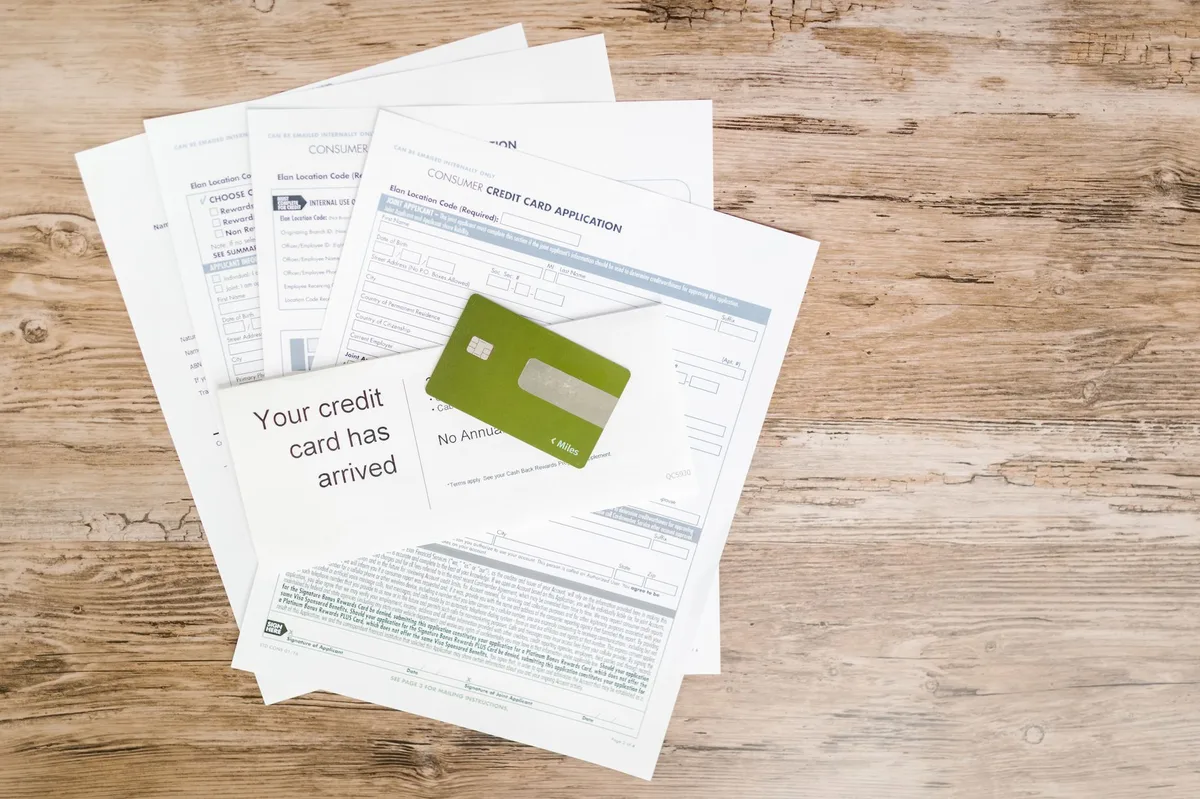
Your FICO score depends heavily on payment history and credit utilization. Understanding how debt payoff affects these factors helps you build credit faster.

Compare 529 plans, Coverdell ESAs, Roth IRAs, and taxable accounts to find the best tax-advantaged way to save for your child's education.

Understanding your Social Security claiming options can add thousands of dollars to your lifetime benefits. Here's what you need to know about timing your claim.

Learn how to navigate income-driven repayment plans and select the right strategy to manage your federal student loan debt effectively.

A step-by-step guide to managing sudden money responsibly, from emergency funds to debt payoff and long-term investing.

Compare the avalanche and snowball debt payoff methods to find the strategy that fits your financial situation and psychology.

Discover which investment strategy delivers better returns and fits your risk tolerance when you have cash to invest.

Taking time off work requires careful financial planning. Learn how to calculate exactly how much you need to save before taking a career break or unpaid leave.

A seemingly small annual fee can drain tens of thousands from your retirement portfolio through the hidden power of compounding costs.

Learn the exact formula to decide whether a balance transfer fee pays off, and how to execute a transfer that actually cuts your debt cost.

Inflation quietly reduces what your saved dollars can buy. Understanding purchasing power helps you protect your savings from losing value over time.

Understanding the difference between passive index investing and active management, and whether higher fees deliver better returns.

Stop paying for duplicate coverage. Learn which insurance benefits your employer provides and how to avoid buying policies you already own.

Your credit card balances report every month and can swing your score fast. Here's how utilization works and when changes hit your credit report.

Learn the complete calculation behind choosing between a car loan and paying cash, including loan interest and opportunity cost.

Caught between building savings and paying down credit cards? Learn which financial priority makes sense for your situation.

Understand the mechanics of compound growth and why starting early makes an exponential difference in your retirement savings.

Learn the optimal timing and frequency for portfolio rebalancing to maintain your target asset allocation while minimizing taxes and costs.

Learn how to plan and save for irregular bills like insurance, property taxes, and annual subscriptions so they never catch you off guard.

Compare emergency fund timeframes and savings vehicles to find the right balance between security and accessibility for your financial situation.

Learn the practical steps to create a financial safety net that covers three to six months of expenses using high-yield savings accounts and systematic saving strategies.

Learn why financial experts recommend saving three to six months of expenses and how to build your emergency fund systematically using high-yield savings accounts.

Understand the key tax differences between Roth and traditional IRAs and discover which account fits your current income and retirement goals.

Learn the key differences between Roth and Traditional IRAs and discover which account type fits your retirement strategy and tax situation.

Understanding Social Security claiming strategies can add thousands to your retirement income. Here are the key facts every worker should know.

Compare federal income-driven repayment plans, standard repayment, and refinancing to choose the best strategy for your student loan debt.

High earners who exceed income limits for direct Roth IRA contributions can use the backdoor Roth IRA strategy to gain tax-free growth. Here's how it works and what to watch for.

Learn the essential steps to start investing in ETFs, from opening a brokerage account to building a diversified portfolio that matches your financial goals.

Master progressive tax brackets and discover practical steps to reduce your federal income tax legally.

Understanding how the Fed's interest rate moves directly affect your money helps you make smarter financial decisions across savings accounts, bonds, stocks, and more.

Compare top high-yield savings accounts and learn how FDIC insurance protects your deposits up to $250,000.

Understanding the tax treatment differences between Roth and traditional IRAs helps you build a more effective retirement strategy.

Net worth reveals the complete picture of your financial health by subtracting what you owe from what you own. Learn the simple formula and see why this metric matters more than income alone.

Learn which assets and liabilities belong in your net worth calculation and what your total reveals about your financial health.

Understand how your capital gains tax bill is calculated based on how long you held your investment and your income level.

Learn the simple formula for calculating how much you need in your emergency fund and why three to six months of expenses is the standard recommendation.

Learn how to calculate the break-even age for claiming Social Security benefits early, at full retirement age, or delayed to maximize your lifetime income.

Understand how to calculate capital gains tax on investment sales and property transactions with real examples and current IRS rates.

Learn how to calculate the breakeven age that determines whether claiming Social Security early at 62 or delaying until 70 makes financial sense for your situation.

The classic 3-6 months rule oversimplifies emergency fund planning. Learn what factors actually determine your ideal savings target.

A head-to-head comparison of index and actively managed funds, examining fees, performance data, and which strategy suits different investor profiles.

Learn the strategic order for funding retirement accounts to maximize tax benefits and employer contributions while building long-term wealth.

Compare the liquidity, inflation protection, and returns of I-bonds and high-yield savings accounts to choose the best home for your emergency reserves.

Learn how to decide between extra mortgage payments and investing by comparing returns, tax benefits, and your personal risk tolerance.

The debt vs. investing decision comes down to comparing interest rates, tax benefits, and risk. Here's how to run the numbers and make the right choice for your situation.

The 50-30-20 rule divides your after-tax income into needs, wants, and savings, offering a straightforward budgeting framework for financial stability.
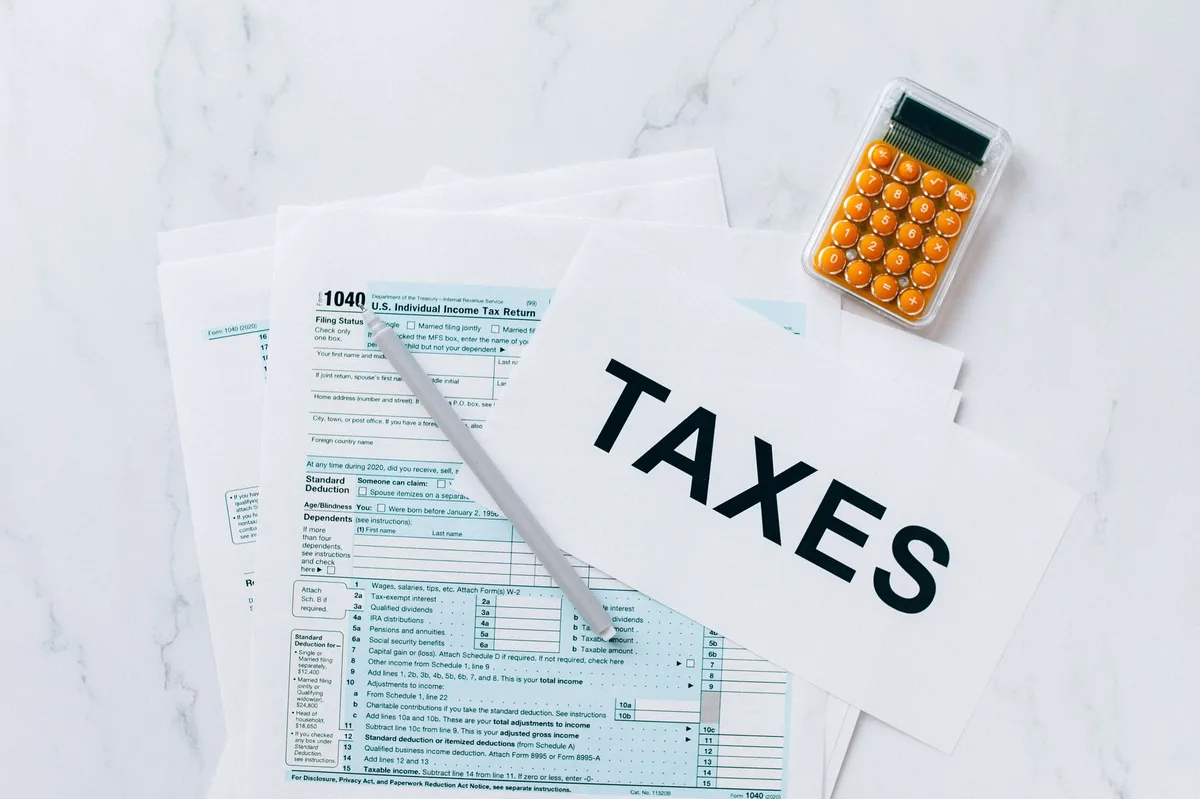
Understanding the difference between short-term and long-term capital gains rates can save you thousands when you sell investments.

Learn how compound interest transforms small, consistent savings into substantial wealth through the power of earning interest on interest.

Learn how spreading investments across different assets can help manage risk and build a more resilient portfolio for long-term wealth creation.

The May 2026 I-bond rate announcement brought a new composite rate. Here's what it means for buying and redeeming decisions.

A practical guide to reviewing and adjusting your investment portfolio at mid-year to maintain target allocations and manage risk.

A quick mid-year checkpoint to assess your Roth IRA progress and adjust contributions before year-end.

The Federal Reserve's July rate decision ripples directly to your savings account. Here's when to expect changes and what savers should do now.

Use this mid-year checklist to review your progress on savings, debt, retirement, and budget goals, then adjust your plan for the second half of 2026.

The new I bond composite rate is 4.26% for purchases from May 1, 2026 through October 31, 2026. Here is how to decide whether buying or redeeming makes sense.

A tax refund can disappear fast if it lands in checking without a plan. Here are five practical ways to turn it into savings, debt relief, or long-term financial progress.

Tax-efficient investing helps more of your return stay invested. Use account location, holding periods, loss harvesting, and retirement accounts with more intent.

The 2026 retirement contribution limits are higher for 401(k)s, IRAs, and several catch-up contribution categories. Here are the numbers that matter most.

Banks are not required to match Fed rates on savings accounts. A low APY usually reflects bank competition, customer inertia, and funding needs.

Savings rates do not move only because of one Fed decision. The bigger signal is where short-term rates may settle through 2026.

Most people in their 30s have investment balances far below the headline average. The median is usually the better benchmark.

The next scheduled Fed decision is not this week, but savers should still watch rate signals closely. High-yield savings accounts and CDs can reprice before and after Fed meetings.

Rate-cut talk can push savings yields lower before households notice. Here are three practical moves to consider before your cash earns less.
The Fed is not scheduled to meet this week. Its next decision on July 28-29 could help signal whether high-yield savings rates stay elevated or start drifting lower.

The Fed's latest 2026 rate outlook points to fewer near-term cuts than previously expected. That could keep savings accounts, CDs, and Treasury bills attractive for longer.

The Fed's latest decision points to a longer period of elevated savings yields. That can help savers, but only if they keep comparing APYs and staying within deposit insurance limits.

Financial guru Dave Ramsey criticizes the new government-backed baby investment accounts, arguing parents should redirect the funds toward debt and emergency savings first.

Younger investors are getting started earlier, often through low-cost apps, brokerage accounts, and automated portfolios. Here are the platform types worth comparing before you invest your first dollar.

Affluent retirees are strategically converting traditional 401(k) assets to Roth IRAs before required minimum distributions begin, a move that can save hundreds of thousands in future taxes and preserve wealth for heirs.

A 15% benchmark rate would not make every safe account pay 15%. Here is how $1,000 could compare across common US cash and fixed-income options.

From high-yield Treasury bonds to growth stocks, explore the top investment opportunities shaping portfolios in 2026 and how to allocate your capital strategically.

Current certificate of deposit and Treasury bond yields at major US brokerages as trade policy uncertainty weighs on fixed-income markets.

Learn strategic approaches to building a diversified investment portfolio across equities, bonds, mutual funds, and international assets when the Federal Funds Rate reaches elevated levels.

Learn how to position your portfolio across fixed income and equities as the Federal Reserve signals rate cuts, balancing yield, risk, and growth potential.

Understanding how Federal Reserve rate policy shapes your fixed income and equity investment strategy when rates stabilize or reverse course.

When the Federal Reserve cuts interest rates, every major asset class responds differently. Here's what changes in your portfolio and how to position yourself.

Discover the top fixed-income investments to consider when the Federal Reserve adjusts interest rates and how to maximize your returns.

Compare real yields on $1,000 across high-yield savings accounts, CDs, Treasury securities, and money market accounts in the current interest rate environment.

Discover proven passive income strategies for 2027, from dividend stocks and REITs to Treasury bonds and high-yield savings accounts, with tax-efficient implementation tips.

Learn a systematic approach to reviewing your real estate investment trust holdings semi-annually and adjusting your portfolio for optimal performance.

Learn how to build a solid emergency fund with practical strategies, account recommendations, and automation tips that work for real households in 2027.

When the Federal Reserve raises rates, your cash earns more. Here's how much $1,000 returns in high-yield savings accounts, CDs, and Treasury securities, plus which option fits your timeline.

Learn practical strategies to create financial security when your income fluctuates month to month, from setting realistic goals to automating savings during high-earning periods.

Learn practical steps to plan an affordable summer vacation through early booking, smart savings strategies, and budget-friendly travel choices.

Learn how to build a robust emergency fund that protects you from unexpected expenses and financial emergencies. This guide covers calculating your target, choosing the right account, and strategies to reach your savings goal.

Learn how to open a Roth IRA with our comprehensive guide. We cover eligibility requirements, choosing a provider, funding your account, and selecting investments for tax-free retirement growth.

Index funds offer a simple and effective way to build long-term wealth. This guide breaks down the essential steps to open an account, choose the right funds, and start investing today.

The year is half over, making it the perfect time to review your financial safety net. This guide walks you through a complete mid-year assessment of your emergency fund.

Learn how to start investing in US Treasury securities with as little as $100 through TreasuryDirect.gov, building a safe, government-backed portfolio on any budget.

A step-by-step guide to eliminating debt, building financial stability, and beginning your investment journey with confidence.

Learn what credit scores are, why they matter, and proven strategies to build and improve your credit score in the United States.

Learn practical steps to create a balanced investment portfolio when earning $60,000 or less per year, with actionable strategies for long-term wealth building.

Learn how to build a complete emergency fund in just six months with practical strategies, actionable steps, and realistic savings plans that work for any income level.

Learn how to start investing in US Treasury securities with as little as $100 through TreasuryDirect, even if you are a beginner with limited capital.

Learn how to begin building wealth through index fund investing, even with a small budget. This guide covers choosing the right platform, selecting funds, and making your first investment.

Learn the key differences between Certificates of Deposit and Treasury bonds to make informed decisions about your fixed-income investments.

Learn how to build a reliable monthly income stream through Real Estate Investment Trusts (REITs) with this step-by-step guide for US investors.

Learn the step-by-step process for reporting stocks, bonds, dividends, and capital gains on your US federal tax return using IRS forms.
Get new articles?
Want notifications about new articles and tools? You can unsubscribe anytime, and we store no personal data about you.
