Balance Transfer Cards: How to Calculate If the Fee Is Worth the Interest Saved
Learn the exact formula to decide whether a balance transfer fee pays off, and how to execute a transfer that actually cuts your debt cost.

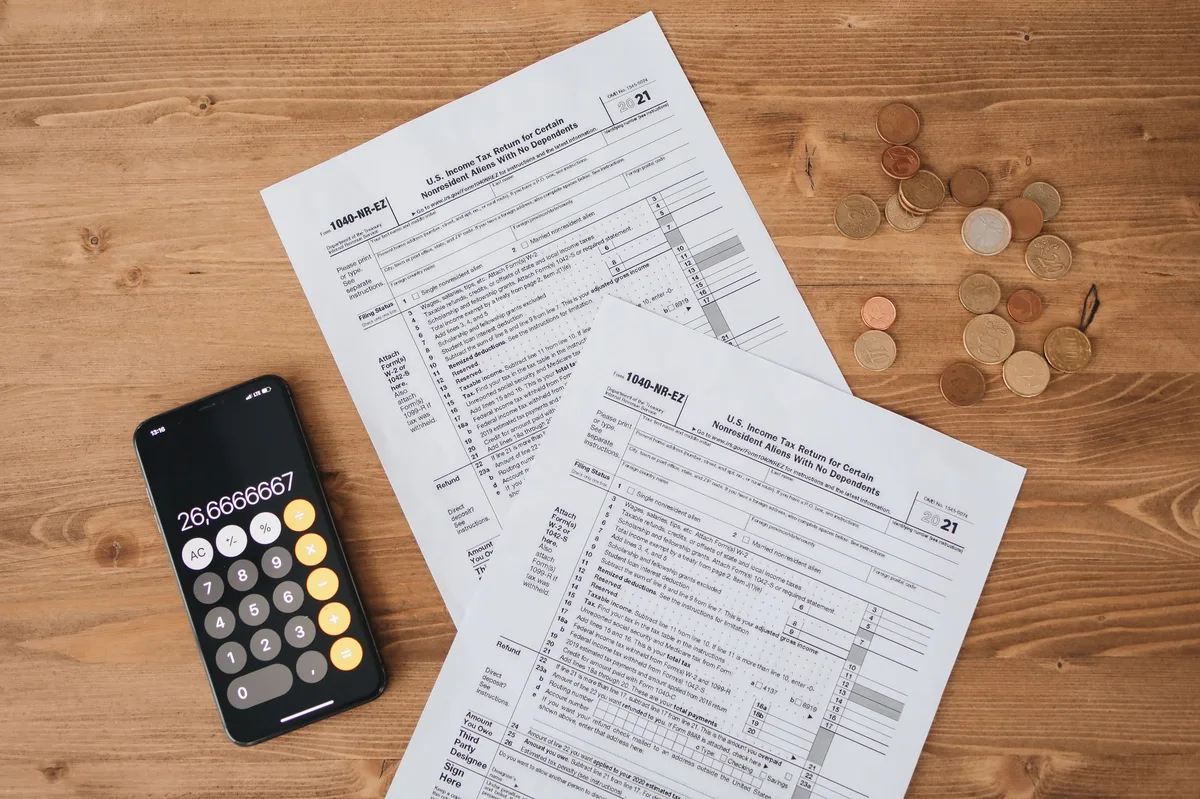
Pexels - olia danilevich · original
In this article
A balance transfer card promises to stop the interest bleeding on your existing credit card debt, but it charges an upfront fee, typically 3% to 5% of the amount you transfer. The question is simple: does the interest you save outweigh the fee you pay?
Most balance transfer offers include a 0% APR introductory period lasting 12 to 21 months. If you carry a balance at 18% or 22% APR on your current card, moving that debt to a 0% card can save hundreds or thousands of dollars, even after the transfer fee. But the math only works if you pay off the balance before the promotional rate expires and the card’s regular APR (often 20% or higher) kicks in.
What You Will Learn
This guide walks through the exact calculation to determine whether a balance transfer fee is worth paying, the steps to execute a transfer correctly, and the common mistakes that turn a good deal into a costly one. You will learn how to compare offers, calculate your break-even timeline, and build a payoff plan that maximizes your savings.
Step 1: Understand the True Cost of a Balance Transfer
A balance transfer fee is a one-time charge calculated as a percentage of the amount you transfer. Most major issuers charge 3% or 5%. If you transfer $5,000 at a 3% fee, you pay $150 upfront. That $150 is added to your balance, so you now owe $5,150 at 0% APR during the promotional period.
The fee is not refundable. If you change your mind or pay off the balance early, the fee stays. According to the Consumer Financial Protection Bureau, understanding all costs upfront prevents surprises (Consumer Financial Protection Bureau, 2026).
Step 2: Calculate the Interest You Would Pay Without the Transfer
Take your current balance, current APR, and the number of months you expect to need to pay it off. Use this formula:
Total interest = (Balance x APR x Months) / 12
Example: You have $6,000 at 20% APR and plan to pay it off in 18 months with fixed monthly payments of $370.
Without a balance transfer, you would pay approximately $1,100 in interest over that 18-month period (exact amount depends on your payment schedule, but simple interest gives a close approximation).
Step 3: Calculate the Cost of the Balance Transfer
Multiply your balance by the transfer fee percentage.
Transfer fee = Balance x Fee percentage
Example: $6,000 x 3% = $180.
If the promotional period is 18 months and you pay off the full balance during that time, you pay $180 total instead of $1,100 in interest. Net savings: $920.
Step 4: Find the Break-Even Point
The break-even point is the number of months it takes for your interest savings to exceed the transfer fee. The formula:
Break-even months = Transfer fee / (Monthly interest on old card)
Calculate your monthly interest: (Balance x APR) / 12.
Example: ($6,000 x 0.20) / 12 = $100 per month in interest on the old card.
Break-even: $180 / $100 = 1.8 months.
After two months, you start saving real money. If the promotional period lasts 18 months and you pay off the balance in that window, the transfer makes financial sense.
Read also: Avalanche vs. Snowball Method: How to Pay Off Credit Card Debt
Step 5: Choose the Right Balance Transfer Card
Compare offers on three factors: the promotional APR period length, the transfer fee, and the regular APR after the promotion ends.
A card with an 18-month 0% period and a 3% fee beats a card with a 12-month 0% period and a 5% fee if you need more than 12 months to pay off the debt. According to data tracked by the Federal Reserve, credit card interest rates have remained elevated, making promotional offers valuable for consumers carrying balances (Federal Reserve, 2026).
Check the fine print for balance transfer limits (often capped at your credit limit or a percentage of it) and confirm that the card issuer allows transfers from your current creditor (some issuers block transfers between their own cards).
Step 6: Execute the Transfer Correctly
Most issuers let you request a balance transfer during the application process or immediately after approval. You provide the account number and amount you want to transfer.
Transfers typically take 7 to 14 days to complete. During that window, continue making your minimum payment on the old card to avoid late fees. Once the transfer posts, confirm the old balance is zero and stop using that card for new purchases.
Important: most balance transfer cards charge the regular purchase APR on new transactions while the promotional 0% rate applies only to transferred balances. Avoid new purchases on the transfer card until the balance is paid off.
Step 7: Build and Stick to a Payoff Plan
Divide your total balance (including the transfer fee) by the number of months in the promotional period. That is your minimum monthly payment to reach zero before the 0% rate expires.
Example: $6,180 balance / 18 months = $343 per month.
Set up automatic payments for at least this amount. If you can pay more, do it. The faster you pay it off, the more cushion you have if an unexpected expense disrupts your plan. Foundational concepts in consumer finance, as covered in Principles of Finance (OpenStax, 2022), emphasize minimizing interest costs through disciplined repayment (OpenStax, 2026).
Practical Tips
- Request the transfer immediately after approval. The promotional clock starts when the account opens, not when the transfer completes.
- Avoid using the new card for purchases. Payments typically go to the lowest-APR balance first, so new purchases at 20% APR sit unpaid while you chip away at the 0% transferred balance.
- Check your old card statement after the transfer posts. Confirm the balance is zero and no residual interest or fees remain.
Common Mistakes to Avoid
Missing a payment during the promotional period can trigger penalty APR (often 29.99%) and cancel the 0% rate. Set up autopay.
Transferring more than you can pay off in the promotional window. If you carry a balance past month 18, the remaining debt accrues interest at the regular APR, often higher than your original card.
Closing your old card immediately. Keep it open with a zero balance to maintain your credit utilization ratio. Closing it can hurt your credit score.
Frequently Asked Questions
Does a balance transfer hurt my credit score?
Applying for a new card triggers a hard inquiry (minor, temporary impact). The new credit line can lower your overall utilization, which may help your score if you do not close the old card.
Can I transfer a balance from multiple cards?
Yes, up to the new card’s transfer limit. Add up the balances and fees to ensure the total fits within your approved credit line.
What happens if I do not pay off the balance in time?
The remaining balance starts accruing interest at the card’s regular APR, which is often 18% to 25%. That is why a payoff plan matters.
Conclusion
A balance transfer makes sense when the interest you save exceeds the fee you pay and you can realistically pay off the balance during the promotional period. Run the break-even calculation, choose a card with enough time to execute your payoff plan, and avoid new purchases on the transfer card. This is general educational information; verify current card terms and consult a financial advisor for personalized guidance on managing debt.
Sources
- Consumer Tools - Credit Cards (accessed )
- Interest Rates - H.15 Selected Interest Rates (accessed )
- Personal Finance Guide (accessed )
- Principles of Finance (accessed )
Related articles
Avalanche vs. Snowball: 6 Steps to Pay Off Credit Card Debt Faster
Compare avalanche and snowball debt payoff methods. Discover which credit card repayment strategy saves more money or builds momentum faster.
How Paying Off Debt Builds Your Credit Score
Learn how debt payoff directly improves your FICO score by reducing credit utilization and building payment history, the two factors that matter most.

7 Ways Credit Utilization Moves Your Credit Score Month to Month
Learn how credit utilization affects your FICO score every month, when card issuers report balances, and how to time payments for maximum impact.
