I-Bond Rate Update: Whether to Buy or Redeem After the May Announcement
The May 2026 I-bond rate announcement brought a new composite rate. Here's what it means for buying and redeeming decisions.

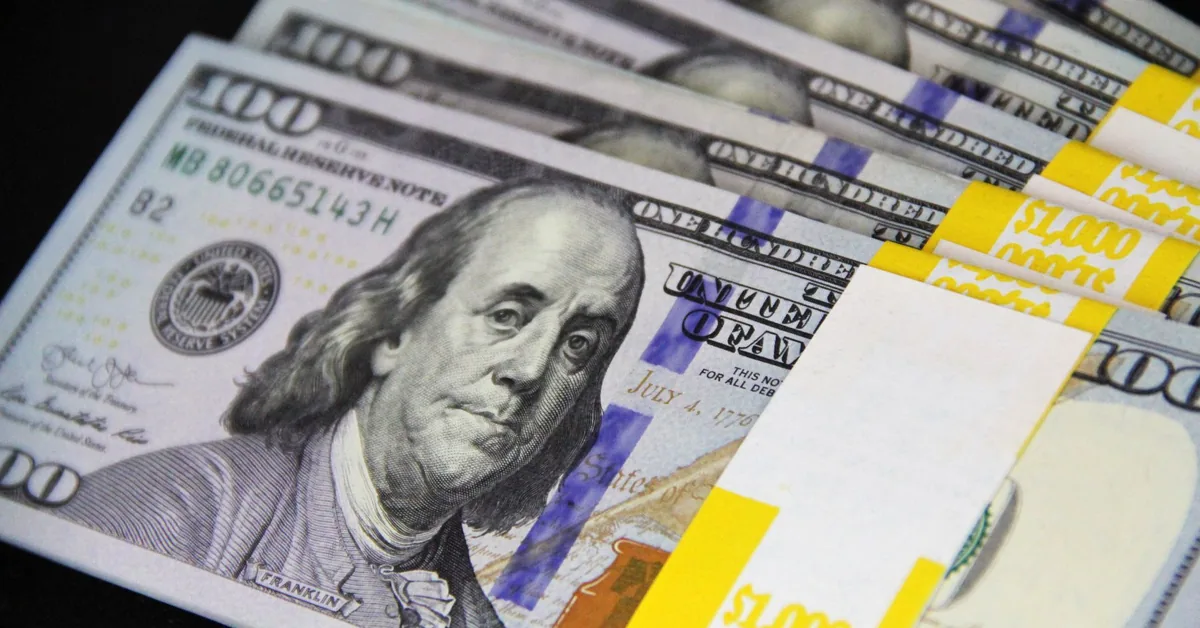
Pexels - Debraj Chanda · original
In this article
The Treasury Department’s May 2026 rate announcement reset the composite interest rate for Series I Savings Bonds. If you hold I-bonds or have been considering them as part of your savings strategy, the new numbers determine whether buying or redeeming makes sense right now.
What the May Announcement Changed
I-bonds earn a composite rate built from two pieces: a fixed rate (set when you buy and locked in for 30 years) and a variable inflation rate (reset every six months based on changes in the Consumer Price Index for All Urban Consumers). According to the U.S. Department of the Treasury, the May announcement updated the variable component that applies to new purchases and to the next six-month earning period for existing bonds (U.S. Department of the Treasury, 2026).
For bonds purchased between May 1 and October 31, 2026, the composite rate reflects the fixed rate set this period plus the updated inflation adjustment. For bonds you already own, your next rate reset depends on your original purchase month.
Should You Buy I-Bonds Now?
The case for buying hinges on three factors: the current composite rate, your alternative savings options, and your time horizon.
Rate competitiveness: Compare the current I-bond composite rate to yields on other safe, liquid savings vehicles. High-yield savings accounts (HYSAs) at FDIC-insured banks, money market funds, and short-term Treasury bills offer alternatives. As of July 2026, verify current HYSA rates and 1-year Treasury bill yields before deciding. If the I-bond rate exceeds those by a meaningful margin (generally 0.5 percentage points or more), the bond becomes more attractive.
Liquidity trade-off: I-bonds lock your money for 12 months (you cannot redeem during the first year). Redeeming between months 12 and 60 forfeits the last three months of interest. If you need full liquidity or cannot commit funds for at least a year, I-bonds are not the right tool. For money earmarked as part of an emergency fund that you can leave untouched for 12 to 18 months, the rate premium may justify the restriction.
Purchase limits: You can buy up to $10,000 in electronic I-bonds per Social Security number per calendar year through TreasuryDirect.gov, plus up to $5,000 in paper I-bonds using your federal tax refund. These caps mean I-bonds supplement rather than replace a diversified savings strategy.
Should You Redeem Existing I-Bonds?
The redemption decision depends on when you bought the bond, what rate it currently earns, and where you would move the proceeds.
Check your bond’s current rate: Log into your TreasuryDirect account and review each bond’s composite rate. Bonds purchased during high-inflation periods in 2022 or early 2023 may still carry elevated rates on their current six-month cycle. If your bond earns more than competitive alternatives and you are past the five-year mark (no three-month interest penalty), holding makes sense.
Read also: I Bond Rate Update: Should You Buy or Redeem After the May 2026 Announcement?
Penalty window: If you are between year one and year five, redeeming costs you the last three months of interest. Calculate whether moving to a higher-yielding alternative recovers that penalty quickly enough to justify the switch. In most cases, small rate differences (under 1 percentage point) do not overcome the penalty within a reasonable period.
Tax planning: I-bond interest is exempt from state and local income tax and federally tax-deferred until you redeem or the bond matures at 30 years. If you are in a high state tax bracket or want to defer federal tax, holding the bond preserves that advantage. Redeeming triggers federal income tax on all accumulated interest in the year of redemption (Investopedia, 2026).
Key Considerations for Either Decision
Inflation outlook: The variable rate adjusts every six months. If you expect inflation to remain elevated or rise, I-bonds offer built-in protection. If inflation falls sharply, the variable component drops and the bond may underperform fixed-rate alternatives.
Fixed rate component: Bonds purchased during periods when Treasury set a higher fixed rate (above 0.0 percent) carry that advantage for life. If you hold an older bond with a meaningful fixed component, the total return over time may beat newer issues even when the current inflation rate is identical.
Alternative uses for the money: Redemption makes sense only if you have a specific, better use for the funds (paying down high-interest debt, funding a time-sensitive opportunity, or moving to a significantly higher-yielding safe investment). Redeeming to sit in a checking account wastes the bond’s tax and rate benefits.
The Bottom Line
The May rate update gives you two decision points: whether to allocate new savings to I-bonds (up to the annual limit) and whether to redeem bonds you already own. Buy if the current composite rate beats your alternatives and you can lock the money up for at least a year. Hold existing bonds if they earn competitive rates, you are inside the five-year penalty window, or you value the tax deferral. Redeem only if you are past the penalty period, the bond underperforms, and you have a clear plan for the proceeds.
This is educational information, not personalized investment advice. Verify current I-bond rates, your specific bond details, and alternative yields at TreasuryDirect.gov and your financial institutions before making a decision. For tax questions, consult a CPA or tax advisor.
Sources
- Series I Savings Bonds (accessed )
- I Bonds: What Are They and How Do They Work? (accessed )
- Savings Bond Basics (accessed )
Related articles
I Bond Rate Update: Should You Buy or Redeem After the May 2026 Announcement?
The May 2026 I bond rate is 4.26%. See whether to buy, hold, or redeem based on fixed rate, taxes, and liquidity.
Best Fixed-Income Investment Options After Federal Reserve Rate Decision
Explore the best fixed-income investments after Fed rate decisions: Treasury bonds, CDs, I Bonds, TIPS, and money market funds for stable returns.

How to Invest in US Treasury Bonds with Little Money: A Beginner's Guide
Discover how to invest in US Treasury bonds with just $100. Step-by-step guide to TreasuryDirect.gov for beginners on a tight budget.
