Finanças
10 Best Investments: Where to Invest in 2026
Discover the top investment options for 2026, from high-yield savings accounts to index funds, with practical guidance for building a diversified portfolio.
Articles about personal finance under Finance.
Discover the top investment options for 2026, from high-yield savings accounts to index funds, with practical guidance for building a diversified portfolio.

Your first $1,000 can grow into a substantial sum over decades. Here's how to invest it wisely when you're just starting out with no income.
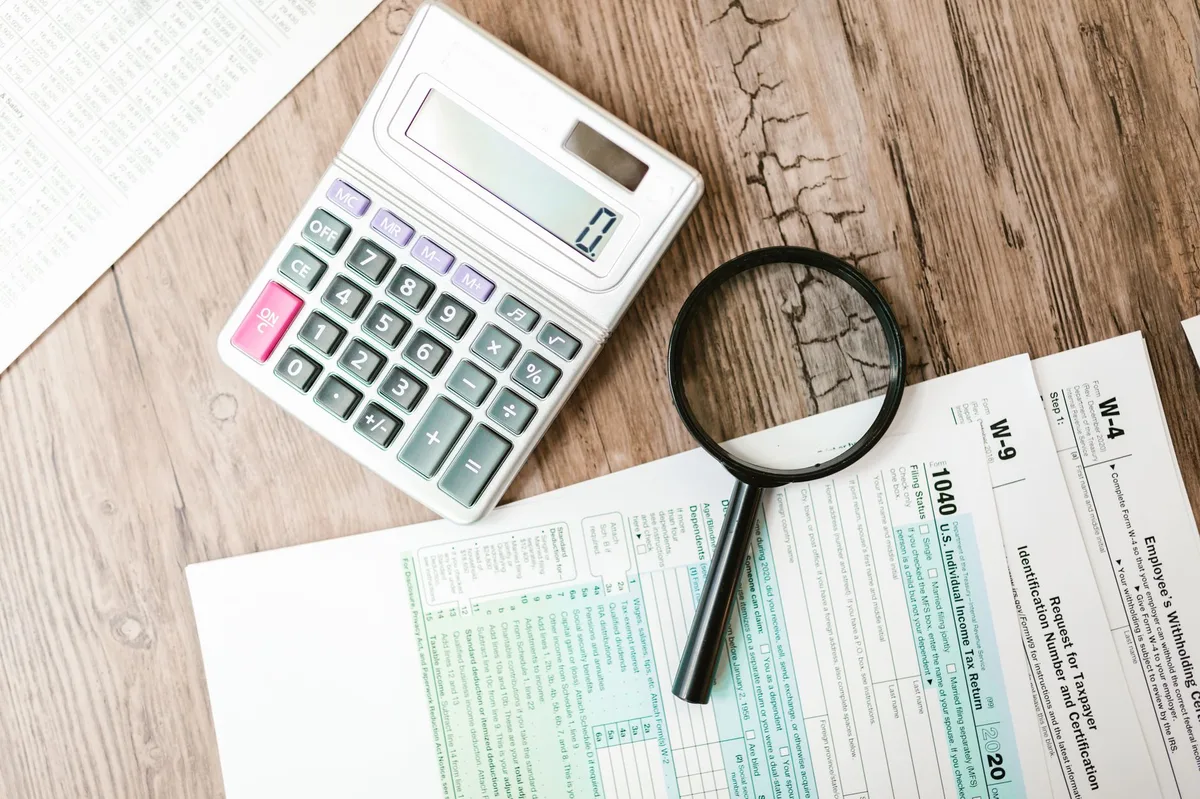
Turn your 2026 tax refund into long-term wealth with these proven strategies for retirement accounts, emergency savings, and low-cost investments.

Black Friday deals can derail even the best financial plans. Learn how to set spending limits, prioritize purchases, and avoid impulse buys while still scoring real savings.

Certified Financial Planners who work with millionaire clients observe consistent patterns in how wealthy individuals manage money. These habits span disciplined spending, systematic saving, and strategic investing.

Compare the top high-yield savings accounts offering up to 5.00% APY. Find FDIC-insured accounts with no monthly fees and easy access to your emergency fund.

Federal Reserve rates have climbed sharply since 2022, yet most traditional banks still pay minimal interest on savings accounts. Here's why the gap exists and what you can do about it.

Understanding how Federal Reserve decisions influence the savings rates you earn on deposit accounts and what signals to watch for in the coming months.

The Real Housewives star's business ventures and income streams offer practical insights for building financial resilience through diversification.
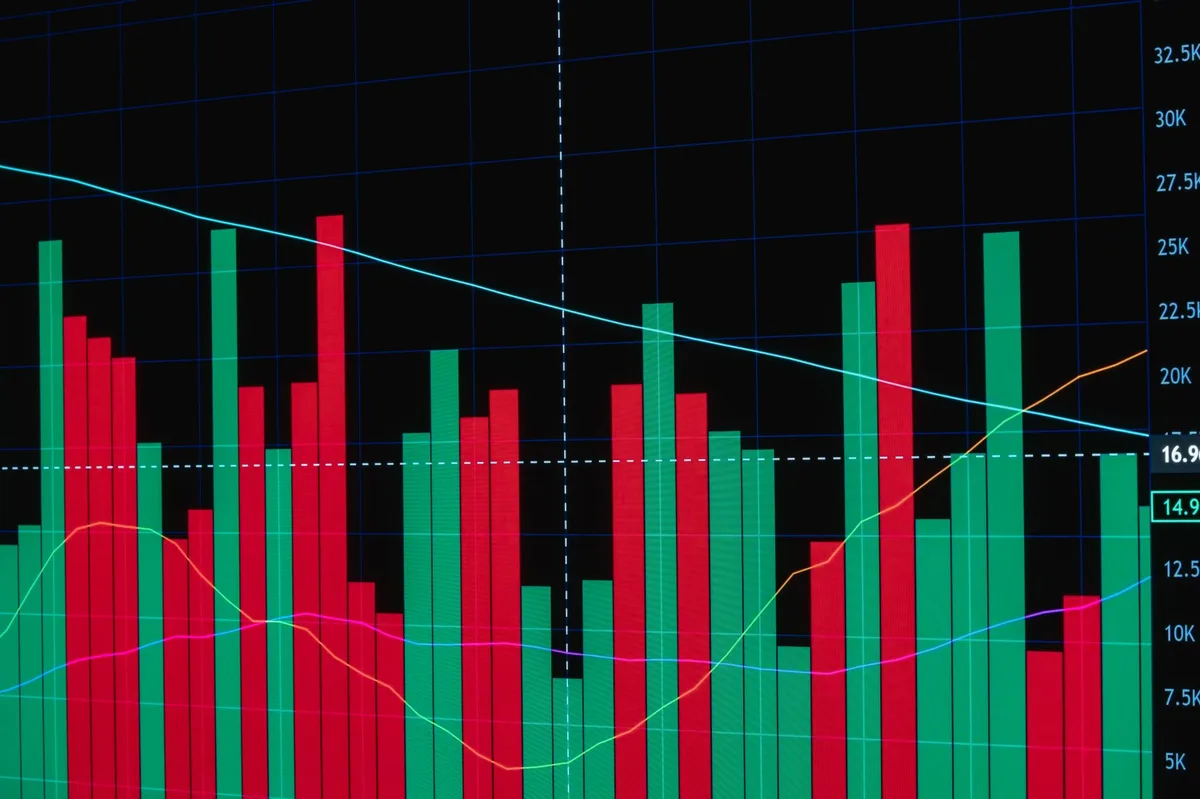
Federal Reserve rate increases ripple through every corner of your financial life, from the interest you earn on savings to what you pay on credit cards and how your portfolio performs.

Understanding how Federal Reserve interest rate decisions directly impact the APY you earn on savings accounts and what you should do when rates shift.

A new high-yield savings account offering 5.00% APY combines a competitive rate with no minimum balance requirement and zero monthly fees, making it accessible to savers at any income level.

Build a realistic fitness budget that covers gym memberships, home equipment, and tax-advantaged health savings account expenses without overspending.

When inflation climbs, your savings account needs to work harder just to maintain purchasing power. Learn what rates actually keep pace and how to evaluate whether your high-yield account is still competitive.

The Federal Reserve's upcoming meeting could signal that high savings rates are here to stay, giving savers more time to lock in attractive yields.

Portfolio benchmarks for Americans in their 30s, with median and average figures by age and income level.
Personal finance expert Dave Ramsey weighs in on government-backed child savings accounts, arguing parents have better options for their children's financial future.
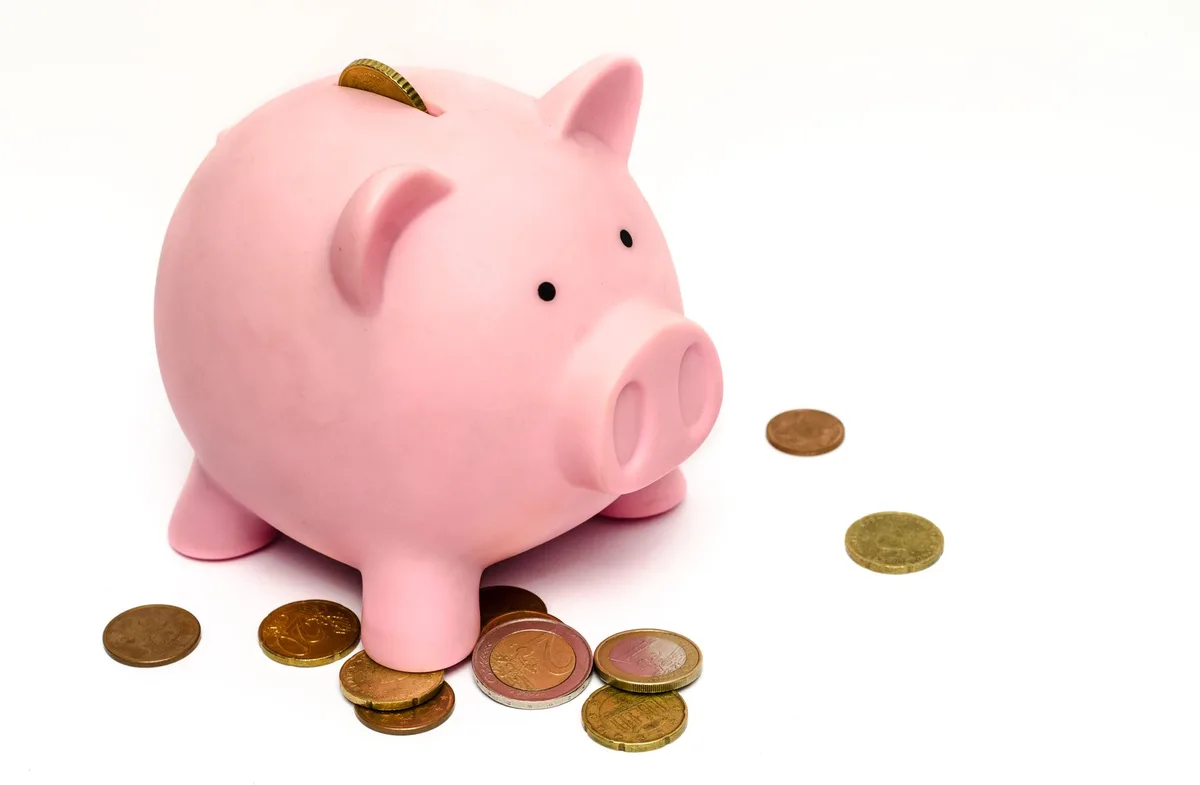
Learn how to build a solid emergency fund using the proven three-to-six month expense rule, with practical steps for US savers.

Examining claims about Microsoft's H1B visa sponsorship, what the program means for tech workers, and how to verify current corporate policies.

A Federal Reserve rate hike ripples through savings accounts, bonds, and stock portfolios. Here's how it affects your money.

Compare Health Savings Accounts and Flexible Spending Accounts to choose the tax-advantaged healthcare option that fits your situation.

Learn how high-yield savings accounts work, what APY means for your emergency fund, and how FDIC insurance protects your deposits up to $250,000.
The Federal Reserve's interest rate decisions ripple through your entire financial life, from the APY on your savings account to the performance of your stock portfolio.

Essential year-end financial tasks to complete before December 31st, from tax-loss harvesting to contribution limits and enrollment deadlines.

The Federal Reserve's September FOMC meeting brings another rate decision. Here's how to position your savings and investments ahead of the announcement.

Compare 529 plans, Coverdell ESAs, Roth IRAs, and taxable accounts to find the best tax-advantaged way to save for your child's education.

A step-by-step guide to managing sudden money responsibly, from emergency funds to debt payoff and long-term investing.

Taking time off work requires careful financial planning. Learn how to calculate exactly how much you need to save before taking a career break or unpaid leave.

Inflation quietly reduces what your saved dollars can buy. Understanding purchasing power helps you protect your savings from losing value over time.

Stop paying for duplicate coverage. Learn which insurance benefits your employer provides and how to avoid buying policies you already own.

Caught between building savings and paying down credit cards? Learn which financial priority makes sense for your situation.

Learn how to plan and save for irregular bills like insurance, property taxes, and annual subscriptions so they never catch you off guard.

Compare emergency fund timeframes and savings vehicles to find the right balance between security and accessibility for your financial situation.

Learn the practical steps to create a financial safety net that covers three to six months of expenses using high-yield savings accounts and systematic saving strategies.

Learn why financial experts recommend saving three to six months of expenses and how to build your emergency fund systematically using high-yield savings accounts.

Understanding how the Fed's interest rate moves directly affect your money helps you make smarter financial decisions across savings accounts, bonds, stocks, and more.

Net worth reveals the complete picture of your financial health by subtracting what you owe from what you own. Learn the simple formula and see why this metric matters more than income alone.

Learn which assets and liabilities belong in your net worth calculation and what your total reveals about your financial health.

Learn the simple formula for calculating how much you need in your emergency fund and why three to six months of expenses is the standard recommendation.

The classic 3-6 months rule oversimplifies emergency fund planning. Learn what factors actually determine your ideal savings target.

Compare the liquidity, inflation protection, and returns of I-bonds and high-yield savings accounts to choose the best home for your emergency reserves.

Learn how to decide between extra mortgage payments and investing by comparing returns, tax benefits, and your personal risk tolerance.

The debt vs. investing decision comes down to comparing interest rates, tax benefits, and risk. Here's how to run the numbers and make the right choice for your situation.

The 50-30-20 rule divides your after-tax income into needs, wants, and savings, offering a straightforward budgeting framework for financial stability.

Learn how compound interest transforms small, consistent savings into substantial wealth through the power of earning interest on interest.

A practical guide to reviewing and adjusting your investment portfolio at mid-year to maintain target allocations and manage risk.

Use this mid-year checklist to review your progress on savings, debt, retirement, and budget goals, then adjust your plan for the second half of 2026.
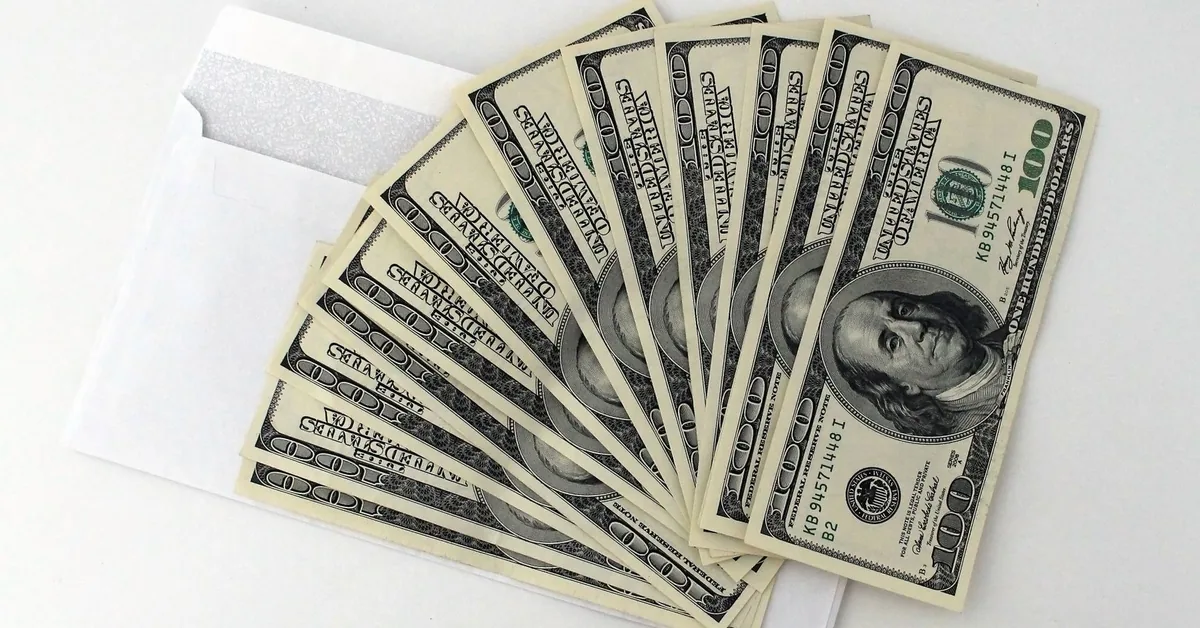
A tax refund can disappear fast if it lands in checking without a plan. Here are five practical ways to turn it into savings, debt relief, or long-term financial progress.

Banks are not required to match Fed rates on savings accounts. A low APY usually reflects bank competition, customer inertia, and funding needs.

Savings rates do not move only because of one Fed decision. The bigger signal is where short-term rates may settle through 2026.
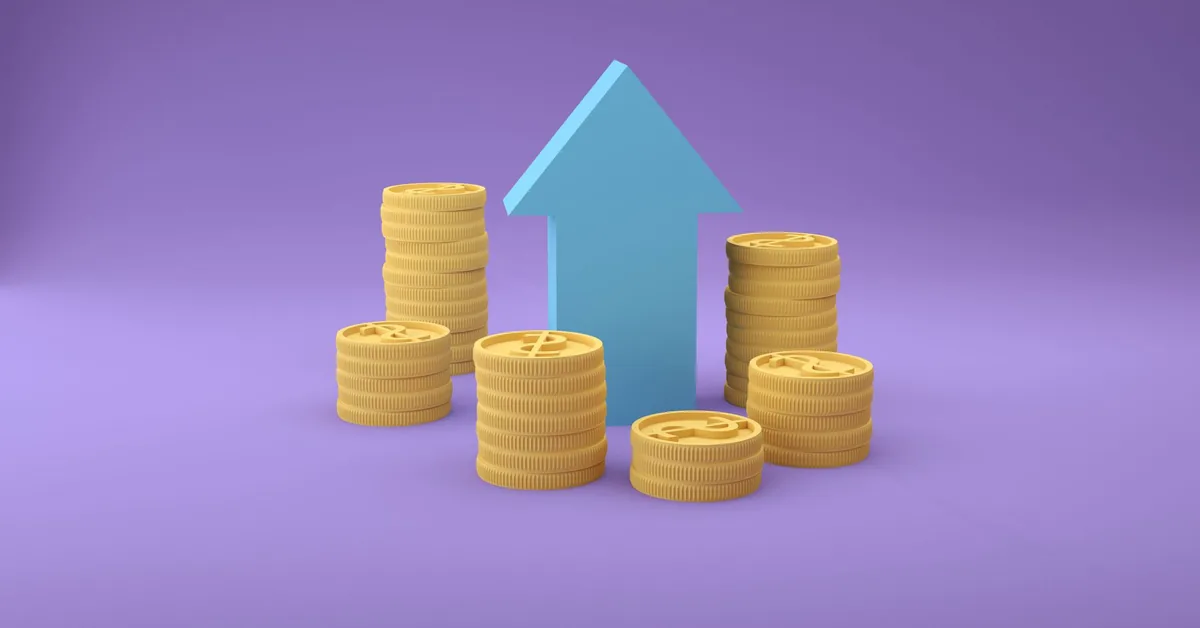
The Fed is not scheduled to meet this week. Its next decision on July 28-29 could help signal whether high-yield savings rates stay elevated or start drifting lower.

Financial guru Dave Ramsey criticizes the new government-backed baby investment accounts, arguing parents should redirect the funds toward debt and emergency savings first.

From high-yield Treasury bonds to growth stocks, explore the top investment opportunities shaping portfolios in 2026 and how to allocate your capital strategically.

Learn strategic approaches to building a diversified investment portfolio across equities, bonds, mutual funds, and international assets when the Federal Funds Rate reaches elevated levels.

Learn how to position your portfolio across fixed income and equities as the Federal Reserve signals rate cuts, balancing yield, risk, and growth potential.
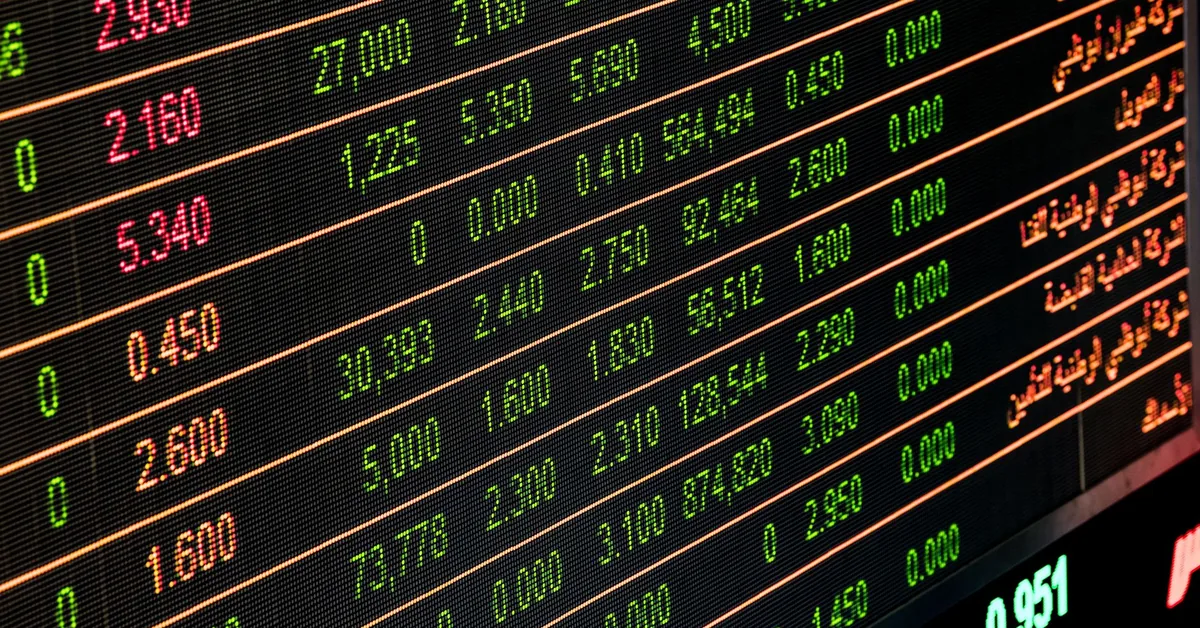
When the Federal Reserve cuts interest rates, every major asset class responds differently. Here's what changes in your portfolio and how to position yourself.

Discover proven passive income strategies for 2027, from dividend stocks and REITs to Treasury bonds and high-yield savings accounts, with tax-efficient implementation tips.

Learn how to build a solid emergency fund with practical strategies, account recommendations, and automation tips that work for real households in 2027.

Learn practical strategies to create financial security when your income fluctuates month to month, from setting realistic goals to automating savings during high-earning periods.

Learn practical steps to plan an affordable summer vacation through early booking, smart savings strategies, and budget-friendly travel choices.

Learn how to build a robust emergency fund that protects you from unexpected expenses and financial emergencies. This guide covers calculating your target, choosing the right account, and strategies to reach your savings goal.

The year is half over, making it the perfect time to review your financial safety net. This guide walks you through a complete mid-year assessment of your emergency fund.

Learn how to build a complete emergency fund in just six months with practical strategies, actionable steps, and realistic savings plans that work for any income level.
Get new articles?
Want notifications about new articles and tools? You can unsubscribe anytime, and we store no personal data about you.
