6 Smart Ways to Invest Your Tax Refund in 2026
Turn your 2026 tax refund into long-term wealth with these proven strategies for retirement accounts, emergency savings, and low-cost investments.

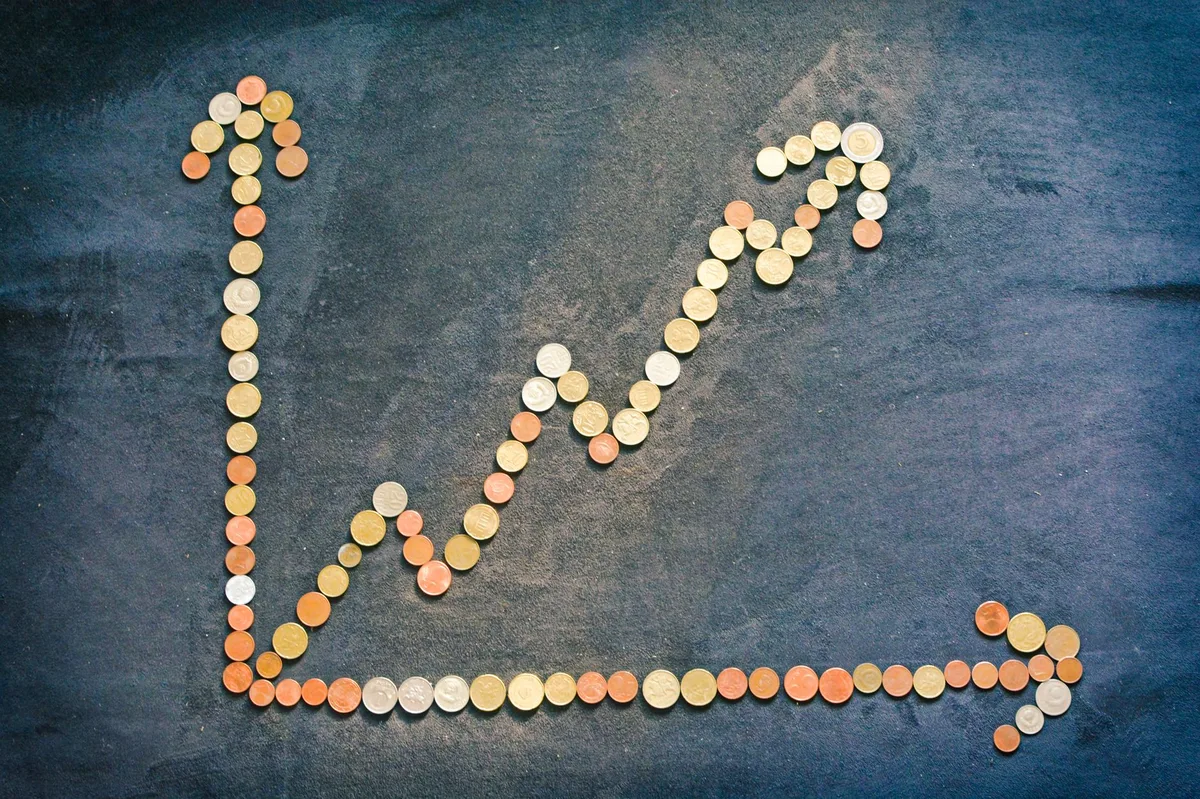
Pexels - RDNE Stock project · original
In this article
The average American tax refund hovers around $3,000, according to the IRS (IRS, 2026). That lump sum represents a meaningful opportunity to strengthen your financial position, but only if you deploy it strategically. Instead of treating your refund as found money for discretionary purchases, think of it as seed capital for long-term wealth.
The six approaches below prioritize moves that compound over time, reduce financial risk, or eliminate high-cost debt. Each strategy is grounded in the fundamentals covered in resources like Principles of Finance (OpenStax, 2022), which emphasizes time value of money and disciplined asset allocation.
1. Max Out Your Roth IRA Contribution
For 2026, the Roth IRA contribution limit is $7,000 if you are under 50, and $8,000 if you are 50 or older. A $3,000 refund covers nearly half the annual limit for younger savers or more than one-third for those eligible for catch-up contributions.
Roth IRAs offer tax-free growth and tax-free withdrawals in retirement, making them powerful vehicles for workers in lower or moderate tax brackets today who expect higher rates later. You have until the tax filing deadline (typically April 15, 2027) to make a 2026 contribution, so your refund arrives in time.
Open a Roth IRA at a low-cost brokerage like Vanguard, Fidelity, or Schwab. Choose a target-date index fund that matches your expected retirement year, or build a simple three-fund portfolio (U.S. stock index, international stock index, bond index) for broad diversification. The SEC’s investor education materials (SEC, 2026) provide step-by-step guidance on account setup and fund selection.
2. Boost Your Emergency Fund to Six Months of Expenses
An emergency fund is non-negotiable financial infrastructure. The standard recommendation is three to six months of essential expenses in a liquid, safe account. If your current fund falls short, direct your refund there immediately.
Calculate your monthly essentials (rent or mortgage, utilities, groceries, insurance, minimum debt payments). Multiply by six. If the gap between that target and your current balance exceeds your refund, deposit the full amount into a high-yield savings account (HYSA). As of October 2026, competitive HYSAs offer annual percentage yields (APY) above 4 percent, making them far superior to traditional savings accounts paying near zero.
Look for FDIC-insured accounts with no monthly fees and easy online access. This is not an investment in the growth sense but a risk-mitigation strategy that prevents you from relying on high-interest credit cards or payday loans during job loss or unexpected medical expenses.
3. Pay Down High-Interest Debt
Credit card balances carrying interest rates of 18 to 25 percent destroy wealth faster than almost any investment can build it. If you carry revolving debt, prioritize paying it off before investing in taxable accounts.
Use the avalanche method: list your debts by interest rate, highest to lowest, and apply your refund to the top of the list while making minimum payments on the rest. A $3,000 payment on a $10,000 balance at 22 percent APR saves you roughly $660 in interest over the first year alone, a guaranteed return no stock or bond can match.
The Consumer Financial Protection Bureau (CFPB, 2026) offers free debt payoff calculators and worksheets to model your timeline and track progress.
4. Increase 401(k) Contributions (Indirectly)
You cannot deposit a tax refund check directly into your employer-sponsored 401(k), but you can use it to boost your ongoing paycheck contributions. Here is how: deposit your refund into your checking account, then log into your 401(k) plan and increase your contribution rate by 1 to 3 percentage points.
The refund cushion offsets the reduction in take-home pay for several months, allowing you to lock in a higher savings rate without feeling the pinch. For someone earning $60,000 annually, increasing contributions by 2 percent adds $1,200 to retirement savings over the year, capturing any employer match along the way.
According to IRS retirement plan rules (IRS, 2026), the 2026 contribution limit is $23,000 for workers under 50, with a $7,500 catch-up for those 50 and older. If you are not on track to max out, this refund-funded raise is a painless way to close the gap.
Read also: What to Do With a Windfall: Bonus, Inheritance or Tax Refund
5. Open a Taxable Brokerage Account and Invest in Low-Cost Index Funds
Once tax-advantaged accounts are maxed and emergency savings are solid, a taxable brokerage account gives you unlimited contribution room for long-term investing. Direct your refund into a total U.S. stock market index fund (such as VTI or FSKAX) or a total world stock index fund for instant diversification across thousands of companies.
Index funds charge expense ratios as low as 0.03 to 0.04 percent annually, leaving nearly all returns in your pocket. Over a 30-year horizon, $3,000 invested at an average annual return of 8 percent grows to roughly $30,000, assuming you reinvest dividends and leave it untouched.
Taxable accounts offer flexibility: no age restrictions on withdrawals, no required minimum distributions, and the ability to harvest tax losses to offset gains. Just be mindful of capital gains taxes when you eventually sell appreciated shares.
6. Invest in Yourself Through Education or Skills Training
Not every smart investment shows up on a brokerage statement. Allocating part of your refund to professional development can yield long-term income growth that dwarfs market returns.
Consider certifications relevant to your field (CPA, PMP, cloud computing credentials), online courses that build in-demand technical skills (data analysis, coding, digital marketing), or degree programs that open higher-paying career paths. According to Bureau of Labor Statistics data, workers with specialized credentials earn significantly more over their lifetimes than those without.
If you work in a stable job, even $1,000 spent on a course that helps you earn a $5,000 raise delivers a 400 percent return in year one alone. This approach works best when you have clear line of sight between the skill and a concrete career opportunity.
Common Mistakes to Avoid
The biggest mistake is spending the refund on depreciating purchases: vacations, electronics, or luxury items that lose value immediately. Another trap is treating the refund as a windfall instead of deferred income you overpaid to the government all year.
Avoid dumping the entire refund into speculative investments like individual stocks, cryptocurrency, or options. These carry risk inappropriate for money that could secure your financial foundation. Similarly, resist the urge to park it in a traditional savings account paying 0.01 percent when HYSAs pay 100 times more.
Frequently Asked Questions
How soon will I receive my 2026 tax refund?
The IRS typically processes e-filed returns with direct deposit in 10 to 21 days. Paper returns take six to eight weeks.
Should I adjust my withholding to avoid a large refund next year?
Yes. A large refund means you gave the IRS an interest-free loan. Use the IRS withholding estimator to calibrate your W-4 so you break even at tax time and keep more in each paycheck to invest throughout the year.
Can I split my refund across multiple accounts?
Yes. IRS Form 8888 allows you to direct deposit your refund into up to three accounts, letting you fund your emergency savings and Roth IRA simultaneously.
Conclusion
Your tax refund is a rare lump sum in a world of incremental paychecks. The difference between a forgettable purchase and a lasting financial upgrade comes down to intentionality. Prioritize the moves that reduce risk (emergency fund, debt payoff), capture tax advantages (Roth IRA, 401(k)), and build compounding wealth (index funds). Make the allocation decision within 48 hours of receiving the refund to avoid lifestyle creep, and treat next year’s filing season as a checkpoint to review progress.
Financial Disclaimer: This article provides general educational information and does not constitute personalized financial, tax, or investment advice. Tax refund amounts, contribution limits, and interest rates are subject to change. Consult a CPA, CFP, or tax advisor for guidance tailored to your specific situation before making investment decisions.
Sources
- Refunds (accessed )
- Getting Started with Investing (accessed )
- Retirement Plans (accessed )
- Principles of Finance (accessed )
- Consumer Financial Protection Bureau (accessed )
Related articles
10 Best Investments: Where to Invest in 2026
Explore the 10 best investment options for 2026, from Treasury bonds to index funds, with expert guidance on building wealth.

How to Invest $1,000 at Age 18 with No Job: A Practical Guide
Learn how to invest your first $1,000 at 18 with no job. Step-by-step guidance on accounts, investments, and avoiding common mistakes.

What to Do With a Windfall: Bonus, Inheritance or Tax Refund
Learn how to handle a bonus, inheritance or tax refund wisely with this step-by-step guide to emergency funds, debt payoff and investing.
