Don't Let Your Tax Refund Go to Waste: 5 Smart Ways to Use It
A tax refund can disappear fast if it lands in checking without a plan. Here are five practical ways to turn it into savings, debt relief, or long-term financial progress.

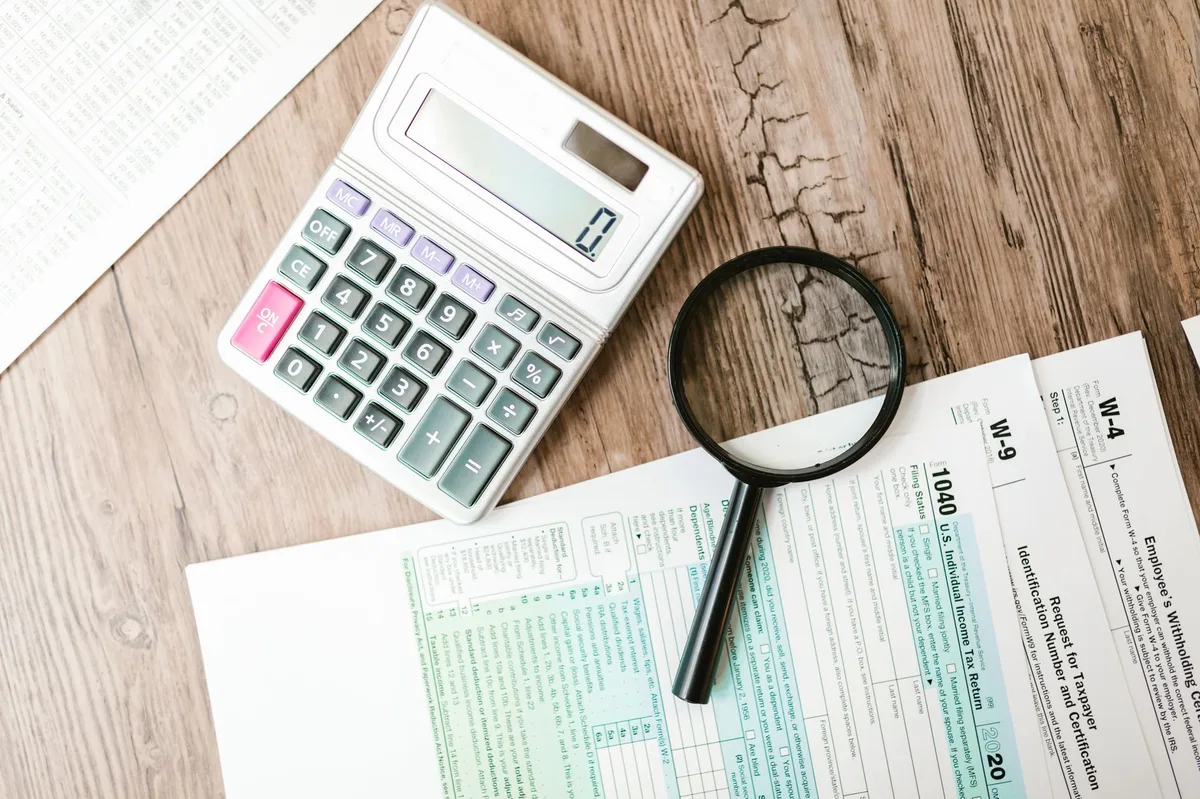
Pexels - Pixabay · original
In this article
A tax refund can feel like extra money, but it is really money that already belonged to your household. The best use depends on your cash flow, debt, job stability, and goals. Before spending it, give the refund a job: protect your monthly budget, reduce expensive obligations, or move a future goal closer. This article is educational and is not personalized financial, tax, or investment advice. For decisions that affect your tax situation, speak with a CPA or qualified financial advisor.
According to the IRS, refund timing depends on how you filed, and an e-filed return is typically much faster than a mailed return (IRS, 2026). Once the money arrives, here are five smart ways to use it.
1. Build or refill your emergency fund
If you do not have cash set aside, this is usually the first place to consider. An emergency fund is not designed to earn the highest possible return. Its main job is to keep a surprise expense from turning into credit card debt.
A reasonable first target is one month of essential expenses. After that, many households work toward three to six months, especially if income is variable, a job depends on commissions, or the household has one primary earner. A refund can make that first month possible in one move.
Where should the money sit? For most people, a savings account, money market deposit account, or short-term certificate of deposit at an FDIC-insured bank is simpler than investing emergency money. As of June 2026, the FDIC describes deposit insurance as protecting eligible deposits up to the applicable limits at insured banks, so verify that your bank is covered and that your balances stay within those limits before relying on that protection (FDIC, 2026).
A practical approach:
- Put the refund in a separate savings account, not your main checking account.
- Name the account “Emergency Fund” or something equally specific.
- Use it only for true disruptions: medical bills, car repairs, urgent travel, job loss, or essential home repairs.
- Refill it after you use it.
The goal is not perfection. The goal is to avoid borrowing at high interest when life gets messy.
2. Pay down high-interest debt
If you carry credit card debt, personal loan balances, payday loans, or other expensive debt, using part or all of your refund to reduce principal can be one of the highest-impact choices.
This works because paying down a high-interest balance gives you a return equal to the interest you avoid. If a credit card charges a high APR, lowering the balance can save more than most low-risk savings options would earn. The Consumer Financial Protection Bureau provides consumer tools on debt, credit cards, and financial decisions, which can help borrowers compare repayment choices and understand their rights (CFPB, 2026).
You can use either of two common payoff methods:
Debt avalanche
Pay extra toward the balance with the highest APR while making minimum payments on everything else. This is usually the most efficient method mathematically because it attacks the most expensive debt first.
Debt snowball
Pay extra toward the smallest balance first, regardless of APR. This can be useful if you need quick wins to stay motivated.
A refund can also be split. For example, if you receive $2,400, you might put $1,600 toward a credit card, $500 into savings, and $300 toward a bill due next month. That may be better than using every dollar on debt and then needing to borrow again at the next emergency.
One caution: do not pay down a card and then treat the new available credit as spending room. The benefit comes from lowering the balance and keeping it lower.
3. Get one month ahead on essential bills
A refund can buy breathing room. For many households, the most powerful use is not glamorous: rent, mortgage, utilities, insurance premiums, childcare, groceries, transportation, and medical costs.
Being one month ahead means next month’s essentials are already funded before the month starts. That buffer can reduce overdrafts, late fees, and short-term borrowing. It also makes budgeting more realistic because you are not trying to solve every bill with the next paycheck.
Start with the bills that create the biggest consequences if missed:
- Housing payment.
- Electricity, gas, water, and internet if needed for work.
- Car payment, insurance, and fuel if transportation is essential.
- Health insurance, prescriptions, and medical bills.
- Childcare or elder care.
If you are already behind, call providers before sending random partial payments. Ask whether there is a hardship plan, payment arrangement, or fee waiver. A refund can help, but the order matters.
This is also a good time to stop annual bills from becoming “surprises.” If your car insurance renews every six months, divide the premium by six and move that amount monthly into a sinking fund. If property taxes, school costs, holiday travel, or professional licenses hit once a year, create separate categories now. A tax refund can seed those funds so the next large bill does not hit your credit card.
4. Invest for retirement or another long-term goal
If your emergency fund is stable and high-interest debt is under control, investing part of your refund can help future you. For many Americans, that may mean contributing to an IRA, increasing workplace retirement contributions, or adding to a taxable brokerage account.
Read also: Dave Ramsey Slams Trump Accounts for Babies: Put That $1,000 to Better Use
Retirement accounts can have contribution limits, income rules, withdrawal restrictions, and tax consequences. As of June 2026, terms can vary by account type and tax year, so verify current IRS rules before deciding and consider a tax professional for personal guidance.
A few general options:
Roth IRA
A Roth IRA may make sense for eligible investors who expect tax-free qualified withdrawals to be valuable later. Contributions are made with after-tax dollars, and rules apply.
Traditional IRA
A Traditional IRA may offer a tax deduction depending on income, workplace plan coverage, and filing status. Withdrawals are generally taxable, and rules apply.
401(k) or Roth 401(k)
You generally cannot deposit a refund directly into a workplace plan the same way you deposit into a bank account. But you can use the refund to cover living expenses while temporarily increasing paycheck contributions.
Taxable brokerage account
If retirement accounts are already funded or you need flexibility before retirement age, a taxable brokerage account can hold broad ETFs, index funds, Treasury securities, or other investments. Market risk applies, and capital gains or dividends can affect taxes.
If you are not ready to invest in stocks, you could look at low-risk Treasury options. TreasuryDirect describes Series I savings bonds as savings bonds that earn interest based on a fixed rate and an inflation rate, with rules for purchase limits and redemption timing (TreasuryDirect, 2026). As of June 2026, verify current rates, holding periods, and tax treatment before buying.
5. Spend a small, planned amount on something useful
A smart refund plan does not have to be joyless. In fact, setting aside a small, intentional amount can make the rest of the plan easier to follow.
The key is to decide the amount before the money arrives. For example, you might use 80% for savings and debt, 10% for a practical purchase, and 10% for something enjoyable. The exact split is personal, but the decision should be made on purpose.
Useful spending can include:
- A car repair that prevents a larger problem.
- Dental work or medical care you have been postponing.
- Work clothing, tools, or certifications that support income.
- A home repair that prevents damage.
- Replacing an appliance that is costing too much to operate.
- A modest family experience paid in cash.
The mistake is not spending any of the refund. The mistake is letting the refund disappear into untracked purchases and then having nothing to show for it.
A simple refund split to copy
If you are unsure where to start, use a simple framework:
- 50% to your highest-priority financial gap, such as emergency savings or credit card debt.
- 25% to near-term bills or sinking funds.
- 15% to retirement or long-term investing if your basics are covered.
- 10% to planned spending.
For a $3,000 refund, that would mean $1,500 to savings or debt, $750 to bills or annual expenses, $450 to investing, and $300 for planned spending. Adjust the percentages if you are behind on essentials or carrying high-interest debt.
Common mistakes to avoid
Do not treat the refund as a bonus without checking whether your withholding is too high. A large refund may mean you had too much withheld during the year. That can feel good in spring, but it may also mean your monthly paycheck was smaller than necessary. Review your Form W-4 or speak with a tax professional if your refund is much larger or smaller than expected.
Do not invest money you may need in the next few months. Markets can fall at the wrong time, and emergency money should be available when needed.
Do not ignore debt terms. Paying extra toward a low-rate loan while carrying high-rate credit card debt usually is not the best first move.
Do not buy a product because of a headline rate alone. CDs, savings accounts, Treasury securities, and brokerage products have different liquidity, insurance, tax, and risk features. As of June 2026, verify current terms before deciding.
Bottom line
A tax refund is most powerful when it solves a specific problem. Use it to create cash stability, reduce expensive debt, get ahead on bills, invest for the future, or make one planned purchase that improves your life. The best choice is the one that leaves your household stronger after the refund is gone.
Sources
- Refunds (accessed )
- Consumer Tools (accessed )
- Deposit Insurance (accessed )
- I Bonds (accessed )
Related articles

What to Do With a Windfall: Bonus, Inheritance or Tax Refund
Learn how to handle a bonus, inheritance or tax refund wisely with this step-by-step guide to emergency funds, debt payoff and investing.
6 Smart Ways to Invest Your Tax Refund in 2026
Maximize your 2026 tax refund with 6 proven investment strategies for retirement, emergency savings, and long-term wealth building.

Best High-Yield Savings Account Rates for October 2026: Earn 5.00% APY Today
Discover the best high-yield savings accounts offering up to 5.00% APY in October 2026. Compare FDIC-insured options with no fees and low minimums.
