What a Fed Rate Hike Would Mean for Investors and Savers
A Federal Reserve rate hike ripples through savings accounts, bonds, and stock portfolios. Here's how it affects your money.

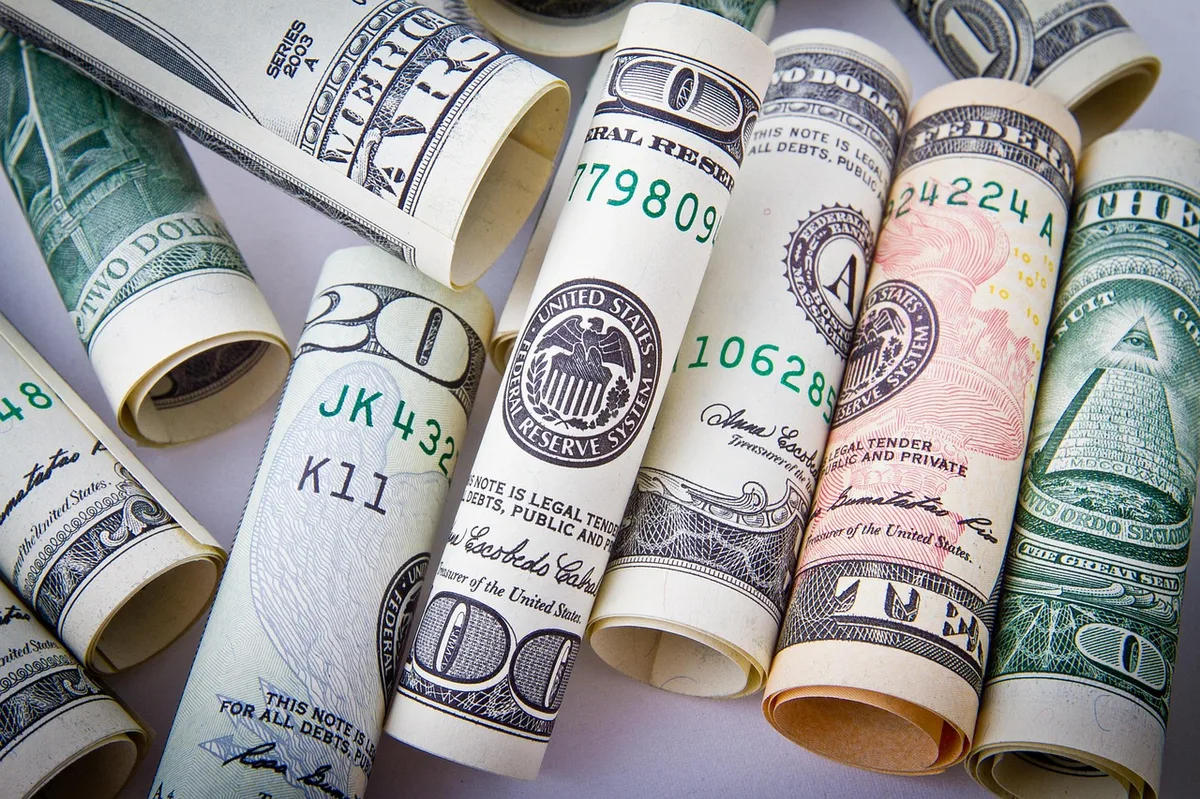
Pexels - Sydney Sang · original
In this article
When the Federal Reserve raises its benchmark interest rate (the federal funds rate), the effects cascade through every corner of your financial life. Whether you hold cash in a savings account or maintain a diversified portfolio, rate hikes reshape the returns and risks you face.
The Immediate Winners: Savers
A Fed rate hike is good news if you keep money in savings accounts, high-yield savings accounts (HYSAs), money market accounts, or certificates of deposit (CDs). Banks typically pass along at least part of the increase to depositors, though not always immediately or in full.
According to the Federal Deposit Insurance Corporation, the national average savings rate tends to climb within weeks of a Fed move, though competitive online banks often adjust faster than traditional brick-and-mortar institutions. If the Fed raises rates by 0.25% (25 basis points), you might see your HYSA yield jump from 4.00% APY to 4.20% or higher, depending on your bank.
CDs benefit even more directly. New CD rates reflect current market conditions, so a 12-month CD issued after a rate hike will lock in a higher yield than one issued the week before. As covered in foundational finance texts like Principles of Finance, this makes timing CD purchases around expected rate moves a consideration for savers seeking to maximize returns.
Bonds: Short-Term Pain, Long-Term Adjustment
Existing bonds lose value when rates rise. This inverse relationship is fundamental: if you hold a bond paying 3% and new bonds now offer 4%, your bond becomes less attractive. The price drops to bring its effective yield in line with the market.
The impact depends on duration. Long-term Treasury bonds (10-year, 30-year) experience sharper price declines than short-term bills because their fixed payments are locked in for years. According to the Federal Reserve’s monetary policy framework, the Fed uses rate changes to manage inflation and employment, not to protect bondholders from mark-to-market losses.
However, if you hold bonds to maturity, the price fluctuation is academic. You still receive your principal back at par. The real opportunity is in newly issued bonds and bond funds, which now offer higher yields going forward.
Stocks: A Mixed and Lagged Response
Stocks do not respond uniformly to rate hikes. The U.S. Securities and Exchange Commission notes that equity markets weigh multiple factors: corporate earnings, valuation multiples, sector dynamics, and economic outlook.
Higher rates increase borrowing costs for companies, which can compress profit margins, especially for highly leveraged firms. Growth stocks (technology, startups) often underperform because their valuations depend on distant future cash flows, which are worth less when discounted at higher rates.
Read also: How Federal Reserve Rate Decisions Affect Your Savings and Investments
Conversely, financial sector stocks (banks, brokerages) often benefit. Banks earn more on the spread between what they pay depositors and what they charge borrowers, so net interest margins expand.
Rate-sensitive sectors like real estate and utilities may lag. REITs (Real Estate Investment Trusts) compete with bonds for income-seeking investors, so higher bond yields make REITs relatively less attractive.
The Bigger Picture: Context Matters
A single quarter-point hike is just one data point. What matters is the trajectory. Is the Fed starting a tightening cycle or finishing one? Are rate hikes accompanied by strong economic growth, or are they happening as growth slows?
Investors and savers both benefit from understanding the Fed’s forward guidance, the statements and projections that signal where rates are headed. A surprise hike can rattle markets; a well-telegraphed one is usually priced in before it happens.
Practical Takeaway
For savers, a Fed rate hike means shopping around. Not all banks adjust at the same speed. Compare HYSA rates and consider whether locking in a CD makes sense based on your liquidity needs.
For investors, the response depends on your portfolio mix and time horizon. Rebalancing toward shorter-duration bonds, reviewing sector allocations, and maintaining diversification remain sound strategies regardless of rate direction.
This information is educational and not personalized financial advice. Consult a financial advisor or CPA for guidance specific to your situation. Rates and market conditions as of October 2026; verify current terms before making decisions.
Sources
- Federal Reserve Monetary Policy (accessed )
- FDIC Deposit Insurance (accessed )
- Investor.gov Resources (accessed )
- Principles of Finance (accessed )
Related articles
How Federal Reserve Rate Decisions Affect Your Savings and Investments
Learn how Federal Reserve rate decisions directly impact your savings account APY, bond values, stock market performance, and overall investment strategy.

FOMC September Meeting: Preparing Your Savings and Investments for a Rate Decision
Learn how to prepare your savings and investments for the September FOMC rate decision with actionable steps for your financial accounts.

7 Ways Federal Reserve Rate Decisions Impact Your Savings and Investments
Learn how Federal Reserve rate decisions directly affect your savings accounts, bonds, stocks, mortgages, and retirement investments.
