Gen Z Is Putting Investing First: Platforms That Can Help Beginners Start
Younger investors are getting started earlier, often through low-cost apps, brokerage accounts, and automated portfolios. Here are the platform types worth comparing before you invest your first dollar.
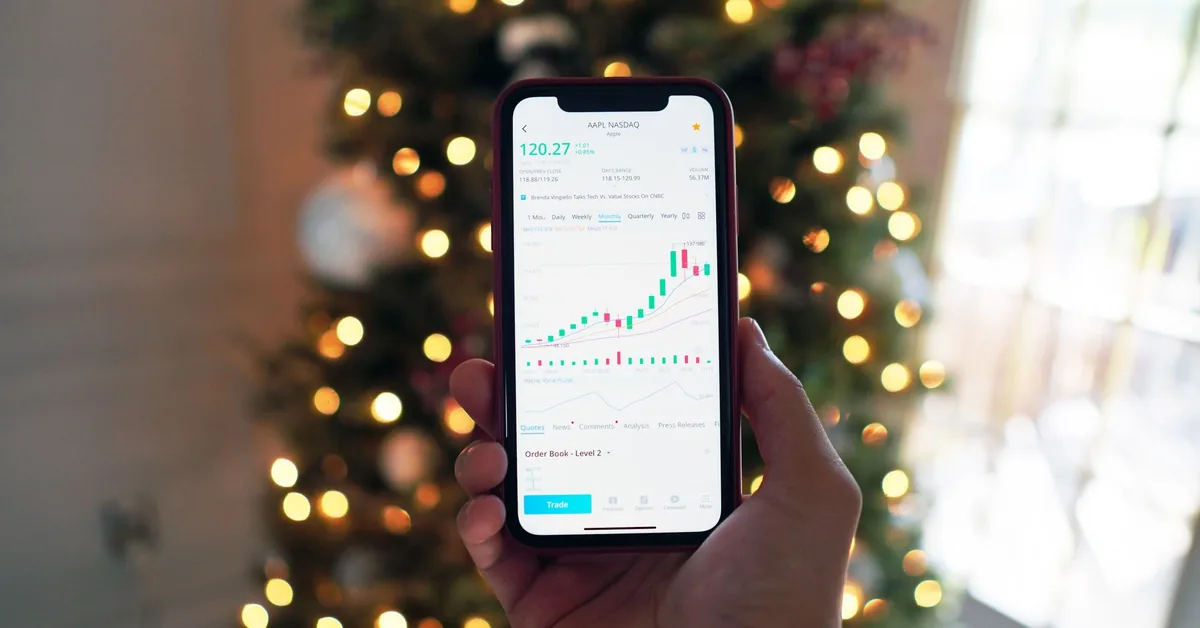
Pexels - Joshua Mayo · original
In this article
Gen Z investors are doing something financially powerful: they are treating investing as an early habit, not a milestone reserved for their 40s. The hard part is choosing where to start. The best platform is not the one with the flashiest app. It is the one that fits your goal, fees, risk tolerance, tax situation, and ability to keep contributing through good markets and bad ones.
This article is educational only and is not personalized investment, legal, or tax advice. Investing involves risk, including possible loss of principal. If your situation is complex, consider speaking with a qualified financial advisor or CPA.
Why Gen Z investors should compare platforms before opening an account
A platform can shape your behavior. Some apps make it easy to buy single stocks quickly. Others push you toward diversified exchange-traded funds, automated portfolios, or retirement accounts. That matters because your first investing setup can either support long-term discipline or make frequent trading feel too easy.
The SEC encourages investors to understand investment products, fees, and risks before committing money (SEC, 2026). FINRA also emphasizes checking brokers and learning how investment accounts work before opening one (FINRA, 2026). For a beginner, that means looking beyond “commission-free” trading and asking what the platform helps you do after the account is open.
As of June 2026, platform features, fees, cash sweep rates, and account minimums can change quickly. Verify current terms directly with the provider before deciding.
1. Full-service discount brokerages
Examples include Fidelity, Charles Schwab, Vanguard, and E*TRADE. These platforms are often a strong first stop for beginners who want one account that can grow with them.
A discount brokerage usually lets you buy stocks, ETFs, mutual funds, Treasury securities, and sometimes fractional shares. The biggest advantage is breadth. You can start with a taxable brokerage account, then later add a Roth IRA or Traditional IRA if you qualify. Many also offer research tools, educational libraries, screeners, and customer support.
For Gen Z investors, the practical use case is simple: set up recurring contributions into a diversified ETF or index fund, then avoid overchecking the account. Morningstar provides fund data that can help investors compare funds, costs, holdings, and performance history, although past performance does not guarantee future results (Morningstar, 2026).
Best for: beginners who want low-cost diversified investing, retirement account access, and room to learn.
Watch for: expense ratios, account transfer fees, options trading permissions, margin availability, and whether the platform encourages short-term trading.
2. Robo-advisors
Examples include Betterment, Wealthfront, Schwab Intelligent Portfolios, and Fidelity Go, as of June 2026. A robo-advisor builds and manages a portfolio for you based on your answers to questions about goals, time horizon, and risk tolerance.
This can be useful if you know you should invest but do not want to choose individual funds. A robo-advisor may automatically rebalance your portfolio and, in taxable accounts, may offer tax-loss harvesting. Those services can be helpful, but they are not free. Many robo-advisors charge an advisory fee, often in addition to the expense ratios of the funds they use.
Investor.gov explains core investing topics such as diversification, risk, and compound interest, which are central to understanding why automated portfolios often use broad fund exposure instead of concentrated bets (Investor.gov, 2026).
Best for: investors who want a guided portfolio and are comfortable paying a small ongoing advisory fee.
Watch for: advisory fees, fund expense ratios, cash allocation, tax features, and whether you can adjust the portfolio if your goals change.
3. Micro-investing and round-up apps
Examples include Acorns and similar savings-linked investing apps, as of June 2026. These platforms can round up card purchases and invest the difference, or let you automate small recurring investments.
The main benefit is behavior. If a $10 weekly transfer feels easier than a larger monthly contribution, micro-investing can help build consistency. The downside is that flat monthly fees can be expensive relative to small balances. A $3 monthly fee on a $100 balance is very different from a $3 monthly fee on a $10,000 balance.
Micro-investing is best seen as a starter habit, not a complete financial plan. Once your balance grows, compare whether a traditional brokerage or robo-advisor gives you lower costs and more flexibility.
Best for: people who need help turning investing into a repeatable habit.
Watch for: monthly subscription fees, limited investment menus, cash drag, and whether the app makes it easy to transfer assets later.
4. Stock trading apps with fractional shares
Examples include Robinhood, Public, SoFi Invest, and Webull, as of June 2026. These apps often appeal to younger investors because they are mobile-first, simple to use, and may offer fractional shares.
Fractional shares can be genuinely useful. If a single share of a company is expensive, fractional investing lets you invest a smaller dollar amount. The risk is that easy access can encourage frequent trading, concentrated positions, or chasing trends from social media.
If you use a trading app, set rules before you fund the account. For example, you might decide that 80% to 90% of contributions go into diversified ETFs, while a smaller slice is reserved for individual stocks you understand. That kind of boundary can protect your long-term plan from impulse decisions.
Read also: How to Start Investing in Index Funds: A Beginner’s Guide
Best for: investors who want a clean mobile interface and fractional access.
Watch for: payment for order flow disclosures, margin, options approval, crypto access, transfer fees, and behavioral nudges that make trading feel like entertainment.
5. Employer retirement platforms
If you have access to a workplace 401(k), 403(b), or similar plan, do not ignore it just because it is less trendy than an app. Employer retirement plans can be one of the most valuable investing platforms available, especially if your employer offers a match.
The platform may be run by companies such as Fidelity, Vanguard, Empower, TIAA, or Principal, depending on your employer. Investment menus vary, but many plans include target-date funds and index funds. Contributions are typically automated from your paycheck, which removes a lot of friction.
For Gen Z workers, the key advantage is time. A small contribution started early can have decades to compound. The trade-off is limited access. Retirement accounts have rules, taxes, and possible penalties if you withdraw money early, so they are not a replacement for an emergency fund.
Best for: workers with access to an employer plan, especially with a match.
Watch for: vesting schedules, plan fees, fund expense ratios, Roth versus traditional contribution options, and withdrawal rules.
6. TreasuryDirect and cash alternatives for short-term goals
Not every dollar belongs in stocks. If the money is for rent, tuition, a car down payment, or an emergency fund, a safer cash or fixed-income option may be more appropriate.
TreasuryDirect is the official U.S. government platform for buying certain Treasury securities directly. High-yield savings accounts, money market funds, Treasury bills, and certificates of deposit can also play a role for shorter-term goals. These are not all the same. Bank CDs may carry FDIC insurance when held at insured banks and within limits, while money market funds are investment products and can involve risk.
The point is to match the platform to the timeline. Money needed soon should not depend on the stock market being up on the day you need it.
Best for: emergency funds, short-term savings, and conservative cash management.
Watch for: liquidity, early withdrawal penalties, FDIC or SIPC coverage differences, yields, tax treatment, and whether the account fits your timeline.
How to choose the right platform
Start with the goal, then choose the account, then choose the platform. A Roth IRA for retirement, a taxable brokerage account for flexible long-term investing, and a high-yield savings account for emergency cash solve different problems.
Next, compare costs. Look at trading commissions, advisory fees, fund expense ratios, transfer fees, and subscription charges. “Free” platforms can still make money in ways that affect your experience, so read the disclosures.
Finally, check whether the platform helps or hurts your behavior. The best investing platform for a beginner is usually the one that makes diversified, automatic investing easy and makes impulsive trading less tempting.
Common mistakes to avoid
Do not invest money you need for near-term bills. Build an emergency cushion before taking meaningful market risk.
Do not confuse a popular app with a complete plan. A platform is just infrastructure. Your savings rate, asset allocation, time horizon, and behavior matter more.
Do not buy products you cannot explain. If you do not understand an option trade, leveraged ETF, crypto token, or margin loan, pause before using it.
Do not ignore taxes. Taxable brokerage accounts can generate dividends, interest, and capital gains. Retirement accounts have their own rules. For personal tax questions, consult a CPA or qualified tax professional.
Bottom line
Gen Z has a real advantage if investing starts early and stays consistent. Full-service brokerages, robo-advisors, micro-investing apps, trading apps, employer retirement plans, and Treasury-focused platforms can all be useful, but they are built for different jobs.
Choose the platform that supports your next responsible step: automatic contributions, diversified investments, low costs, and enough guardrails to keep short-term noise from taking over your long-term plan.
Sources
- SEC Investor Education (accessed )
- FINRA Investors (accessed )
- Investor.gov (accessed )
- Morningstar Fund Data (accessed )
Related articles

Index Fund Investing for Beginners: Vanguard vs Fidelity vs Schwab
Compare Vanguard, Fidelity, and Schwab for index fund investing. Learn which brokerage fits your budget, tax goals, and experience level.

How to Invest in ETFs: A Beginner Guide for American Investors
Step-by-step guide for beginners on how to invest in ETFs, from choosing a brokerage to building a diversified portfolio for long-term growth.

How to Start Investing in Index Funds: A Beginner's Guide
Learn how to start investing in index funds with our step-by-step guide for beginners. Discover how to open an account, pick funds, and build a diversified portfolio.
