How to Spot an Investment Bubble: What the AI Boom Can Teach Everyday Investors
Learn the warning signs of investment bubbles through real examples from the AI boom and protect your portfolio from speculative excess.
Pexels - Arturo A · original
In this article
The artificial intelligence boom of 2024-2026 sent certain tech stocks soaring 300% or more in a matter of months. Nvidia, Microsoft, and dozens of smaller AI-focused companies saw valuations that made even seasoned investors nervous. Some called it a transformative revolution. Others saw echoes of the dot-com crash. Whether the AI rally proves sustainable or becomes another cautionary tale, it offers everyday investors a real-time masterclass in recognizing bubble dynamics before they burst.
An investment bubble forms when asset prices rise far beyond intrinsic value, driven by speculation rather than fundamentals. According to financial education resources from the SEC, recognizing these patterns early can help investors avoid devastating losses. As covered in Principles of Finance, bubbles follow predictable psychological and market patterns that repeat across different assets and eras.
Here are seven warning signs to watch for, illustrated by what we have seen (and continue to see) in AI-related investments.
1. Parabolic Price Movements Disconnected from Earnings
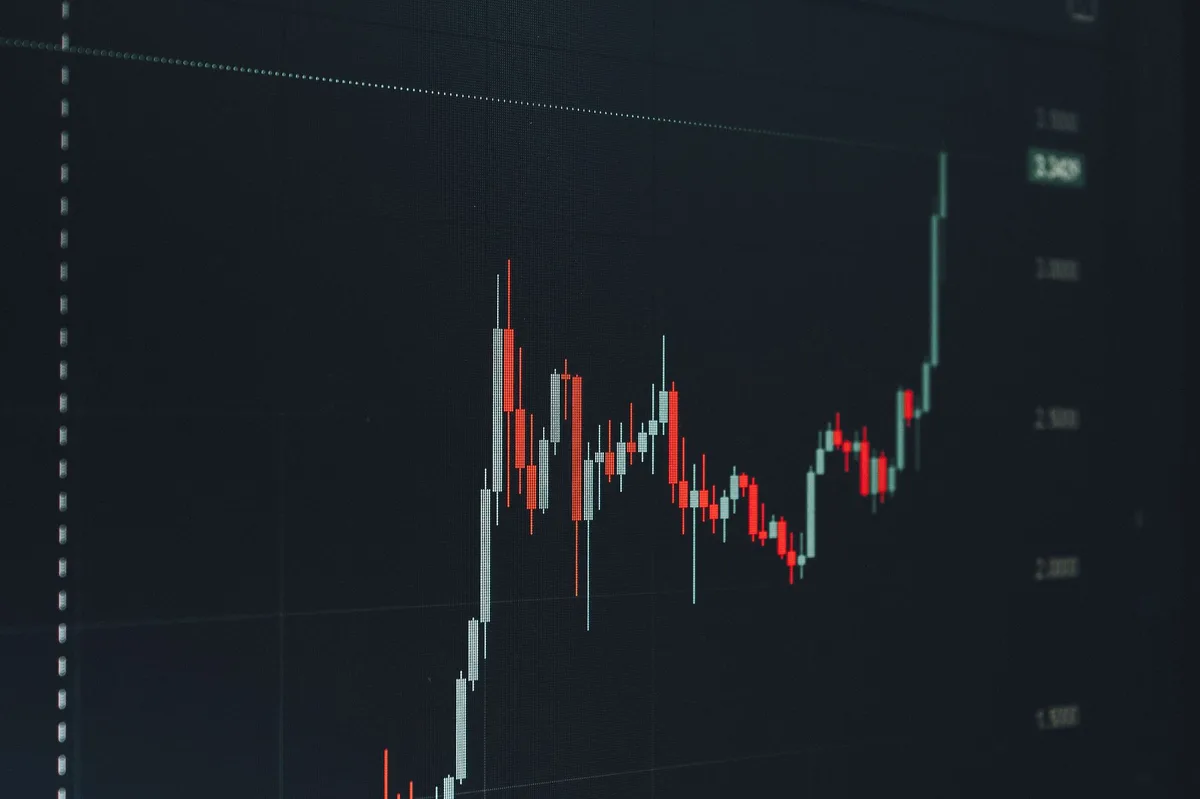
When a stock doubles or triples in weeks without corresponding revenue or profit growth, caution is warranted. During the AI surge, some semiconductor and software companies saw share prices climb 200% while earnings guidance increased only 15-20%. The gap between price appreciation and business fundamentals is a classic bubble indicator. Compare the company’s price-to-earnings ratio to its five-year average and to sector peers. If the valuation has expanded dramatically without proportional earnings growth, the price may be ahead of reality.
2. “This Time Is Different” Narrative
Every bubble features a compelling story about why traditional valuation metrics no longer apply. In the 1990s, it was “eyeballs” and “network effects.” In 2021, it was meme stocks and retail solidarity. The AI boom brought declarations that “AI will change everything” and that conventional price-to-sales ratios were obsolete for transformative technology. While AI genuinely represents significant innovation, the phrase “this time is different” should trigger skepticism, not suspension of analysis. Foundational investment principles, including the relationship between price and cash flow, remain relevant across technological shifts.
3. Retail Investor FOMO and Social Media Hype
When your barber, neighbor, or teenage cousin starts giving you stock tips about the same sector, the crowd has likely arrived. Bubble peaks coincide with maximum retail participation, often driven by fear of missing out. Social media amplifies this effect: posts about overnight gains go viral, while discussions of risk and downside disappear. FINRA investor education materials emphasize that investment decisions based on social media trends rather than research frequently lead to losses. If TikTok and Reddit are buzzing about a stock more than financial analysts are, proceed with extreme caution.
4. Companies Rebranding to Capture the Trend
A telltale sign of speculative mania is when established companies with no real connection to the hot sector suddenly rebrand or issue press releases emphasizing their involvement. During the AI boom, legacy software firms with minimal machine learning capabilities rushed to add “AI-powered” to their marketing materials. Their stock prices jumped on the news despite no change in actual operations. Similarly, during the blockchain craze of 2017-2018, beverage companies and penny stocks added “blockchain” to their names and saw shares spike. When the narrative matters more than the business model, a bubble is likely inflating.
Read also: Dollar Cost Averaging vs. Lump Sum Investing: 7 Key Differences You Need to Know
5. Easy Credit and Excessive Leverage
Bubbles inflate faster when money is cheap and leverage is abundant. Low interest rates from the Federal Reserve during 2020-2022 fueled risk-taking across markets. Investors borrowed against portfolios to buy more AI stocks. Margin debt, tracked by FINRA, spiked during bubble periods. When leverage is high, downturns accelerate: falling prices trigger margin calls, forced selling drives prices lower, and a feedback loop begins. Monitor the Federal Reserve’s interest rate policy and your own use of margin. Rising rates and high leverage are a dangerous combination in richly valued markets.
6. IPO Frenzy and Questionable Offerings
A surge of initial public offerings, especially from companies with weak financials or unproven business models, signals late-stage bubble dynamics. During the AI boom, numerous startups with minimal revenue but AI-adjacent pitches went public at sky-high valuations. Investors snapped up shares on the first day, often without reading the prospectus. The dot-com era saw similar patterns: companies with no path to profitability went public and initially soared before collapsing. A healthy IPO market is normal; a stampede of speculative offerings where fundamentals are ignored is not.
7. Prominent Voices Declaring “No Bubble Here”
Ironically, the louder and more frequent the declarations that “this is not a bubble,” the greater the chance you are in one. Analysts with vested interests, media personalities, and even some academics will rationalize extreme valuations. During the housing bubble of 2005-2007, respected voices insisted real estate could not fall nationally. They were wrong. Trust independent research and your own analysis over reassurances from those who profit from continued speculation. As Investopedia notes, objective valuation metrics and historical comparisons matter more than sentiment.
What Should Investors Do?
Recognizing a potential bubble does not mean you must sell everything and sit in cash. Many transformative technologies do justify higher valuations, and timing a market top is nearly impossible. Instead, focus on risk management: diversify across sectors and asset classes, avoid leverage, stick to companies with real earnings and cash flow, and ignore social media hype. Rebalance periodically to prevent any single position from dominating your portfolio. If a stock has tripled and now represents 30% of your holdings, consider trimming to lock in gains and reduce concentration risk.
Investment bubbles are a recurring feature of financial markets, driven by human psychology and market dynamics that transcend any single technology or era. The AI boom, whether it ultimately proves to be a bubble or a justified repricing, offers a live laboratory for studying these patterns. By learning to recognize the warning signs, everyday investors can protect their portfolios from speculative excess while still participating in genuine long-term growth.
This article provides educational information and is not personalized investment advice. Market conditions and individual financial situations vary. Consult a financial advisor or conduct thorough research before making investment decisions. Verify current data and company fundamentals as of the date you invest.
Sources
- Investor Education Resources (accessed )
- FINRA Investor Insights (accessed )
- Principles of Finance (accessed )
- Investopedia Markets (accessed )
Related articles

Dollar Cost Averaging vs. Lump Sum Investing: 7 Key Differences You Need to Know
Compare dollar cost averaging and lump sum investing strategies. Learn which approach historically performs better and when each makes sense for your portfolio.
Gen Z Is Putting Investing First: Platforms That Can Help Beginners Start
Compare beginner-friendly investing platforms for Gen Z, including brokerages, robo-advisors, retirement accounts, and learning tools.
The Personal Finance Apps That Quietly Turned Into Investment Platforms
Popular payment apps like Cash App, Venmo, and Robinhood now include stock investing features with fractional shares and low minimums for beginners.
