
Finanças
Dave Ramsey's Take on Baby Investment Accounts: What Parents Should Know
Personal finance expert Dave Ramsey weighs in on government-backed child savings accounts, arguing parents have better options for their children's financial future.
Personal finance, investing, and money management for the US audience.
Personal finance expert Dave Ramsey weighs in on government-backed child savings accounts, arguing parents have better options for their children's financial future.

Learn how to build a solid emergency fund using the proven three-to-six month expense rule, with practical steps for US savers.

Examining claims about Microsoft's H1B visa sponsorship, what the program means for tech workers, and how to verify current corporate policies.

A Federal Reserve rate hike ripples through savings accounts, bonds, and stock portfolios. Here's how it affects your money.

Compare Health Savings Accounts and Flexible Spending Accounts to choose the tax-advantaged healthcare option that fits your situation.

Learn how high-yield savings accounts work, what APY means for your emergency fund, and how FDIC insurance protects your deposits up to $250,000.

Open enrollment is your annual window to optimize your 401(k). Review these key settings to maximize employer match, tax benefits, and long-term growth.

Understand the key tax differences between Roth and Traditional IRAs and learn which retirement account fits your current income and future goals.
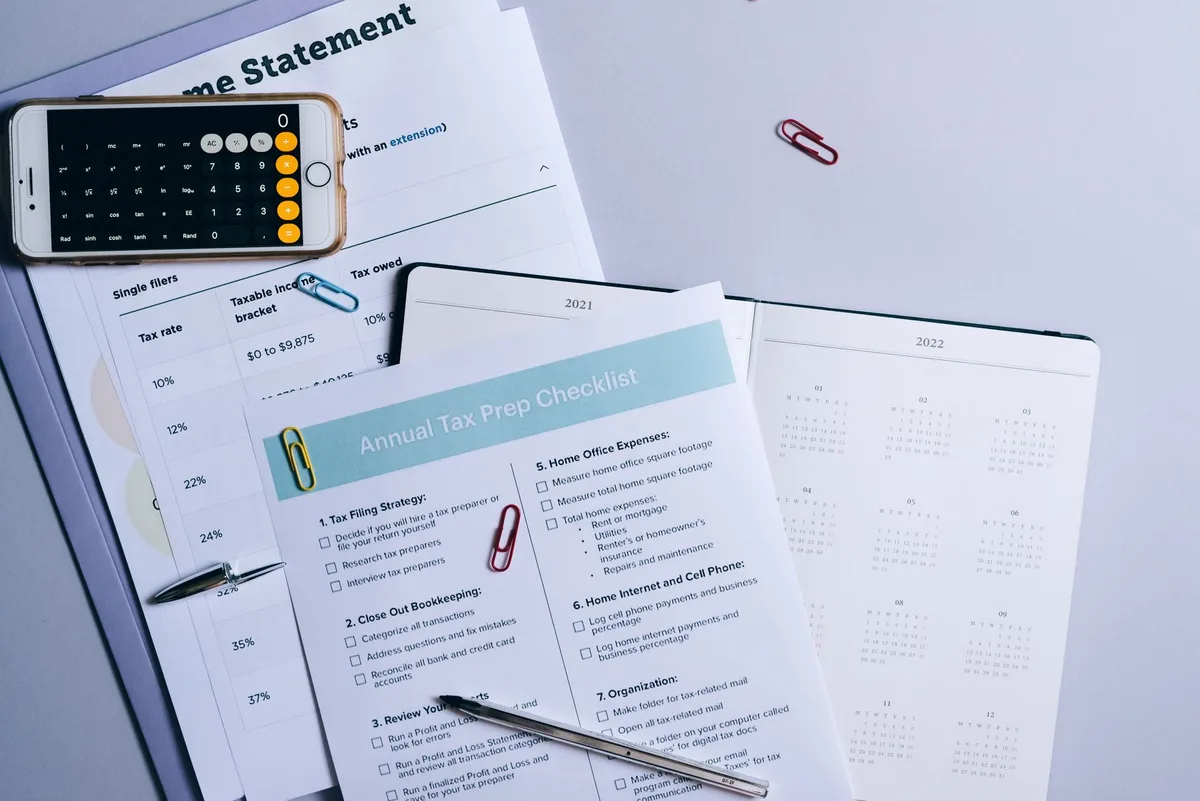
Learn which retirement account holders must take RMDs in 2026, the key age thresholds under current law, and critical deadlines to avoid IRS penalties.

Learn how high-income earners can legally fund a Roth IRA despite income limits through the backdoor conversion strategy.

Your employer's 401(k) match is free money for retirement. Learn how matching works and the exact steps to capture every dollar available.

Q4 offers unique advantages for Roth conversions, but timing depends on your income, tax bracket, and market conditions.

Learn the fundamentals of ETF investing, from opening a brokerage account to building a diversified portfolio with low-cost index funds.

Compare the three leading brokerages for index fund investing and find the best fit for your goals, budget, and tax situation.

Learn the step-by-step process to review your investment portfolio in Q3 and rebalance strategically before year-end, including tax-smart moves and common pitfalls to avoid.

Discover which investment strategy delivers better returns and fits your risk tolerance when you have cash to invest.

A seemingly small annual fee can drain tens of thousands from your retirement portfolio through the hidden power of compounding costs.

Understanding the difference between passive index investing and active management, and whether higher fees deliver better returns.

Learn how I-bonds and Treasury bills work as government-backed investments that offer safety, predictable returns, and protection against inflation.

The May 2026 I-bond rate announcement brought a new composite rate. Here's what it means for buying and redeeming decisions.

The new I bond composite rate is 4.26% for purchases from May 1, 2026 through October 31, 2026. Here is how to decide whether buying or redeeming makes sense.

The next scheduled Fed decision is not this week, but savers should still watch rate signals closely. High-yield savings accounts and CDs can reprice before and after Fed meetings.

Rate-cut talk can push savings yields lower before households notice. Here are three practical moves to consider before your cash earns less.

The Fed's latest 2026 rate outlook points to fewer near-term cuts than previously expected. That could keep savings accounts, CDs, and Treasury bills attractive for longer.

The 2027 HSA contribution limits are $4,550 for individuals and $9,050 for families, with a $1,000 catch-up for those 55 and older. Here's how to maximize contributions before year-end.

Learn how to use tax-loss harvesting to reduce your capital gains tax bill by offsetting gains with investment losses before the year-end deadline.

Learn how progressive tax brackets work and discover legitimate strategies to lower your federal income tax bill.

Learn how self-employment tax applies to gig work, when you need to pay it, and how to calculate quarterly payments to avoid IRS penalties.

Master progressive tax brackets and discover practical steps to reduce your federal income tax legally.

Understand how your capital gains tax bill is calculated based on how long you held your investment and your income level.

Learn the two proven methods to eliminate credit card debt and choose the strategy that fits your financial personality.
Your FICO score depends heavily on payment history and credit utilization. Understanding how debt payoff affects these factors helps you build credit faster.

Learn how to navigate income-driven repayment plans and select the right strategy to manage your federal student loan debt effectively.

Learn the exact formula to decide whether a balance transfer fee pays off, and how to execute a transfer that actually cuts your debt cost.

Your credit card balances report every month and can swing your score fast. Here's how utilization works and when changes hit your credit report.

Learn the complete calculation behind choosing between a car loan and paying cash, including loan interest and opportunity cost.

The Federal Reserve's October rate decision directly affects high-yield savings account returns. Here's what the latest FOMC meeting means for your cash savings.

Compare top high-yield savings accounts and learn how FDIC insurance protects your deposits up to $250,000.

The Federal Reserve's July rate decision ripples directly to your savings account. Here's when to expect changes and what savers should do now.

Compare the avalanche and snowball debt payoff methods to find the strategy that fits your financial situation and psychology.

Compare federal income-driven repayment plans, standard repayment, and refinancing to choose the best strategy for your student loan debt.

A step-by-step guide to eliminating debt, building financial stability, and beginning your investment journey with confidence.

Expert forecasts suggest gradual Federal Reserve policy shifts over the next two years, with key implications for savers, borrowers, and investors.

The Fed's latest decision points to a longer period of elevated savings yields. That can help savers, but only if they keep comparing APYs and staying within deposit insurance limits.
Get new articles?
Want notifications about new articles and tools? You can unsubscribe anytime, and we store no personal data about you.
