Top Canadian Dividend ETFs for Income-Focused Investors in Canada
Canadian dividend ETFs offer passive income from TSX blue-chips with built-in diversification. Learn what makes a dividend ETF attractive and how to hold them tax-efficiently.
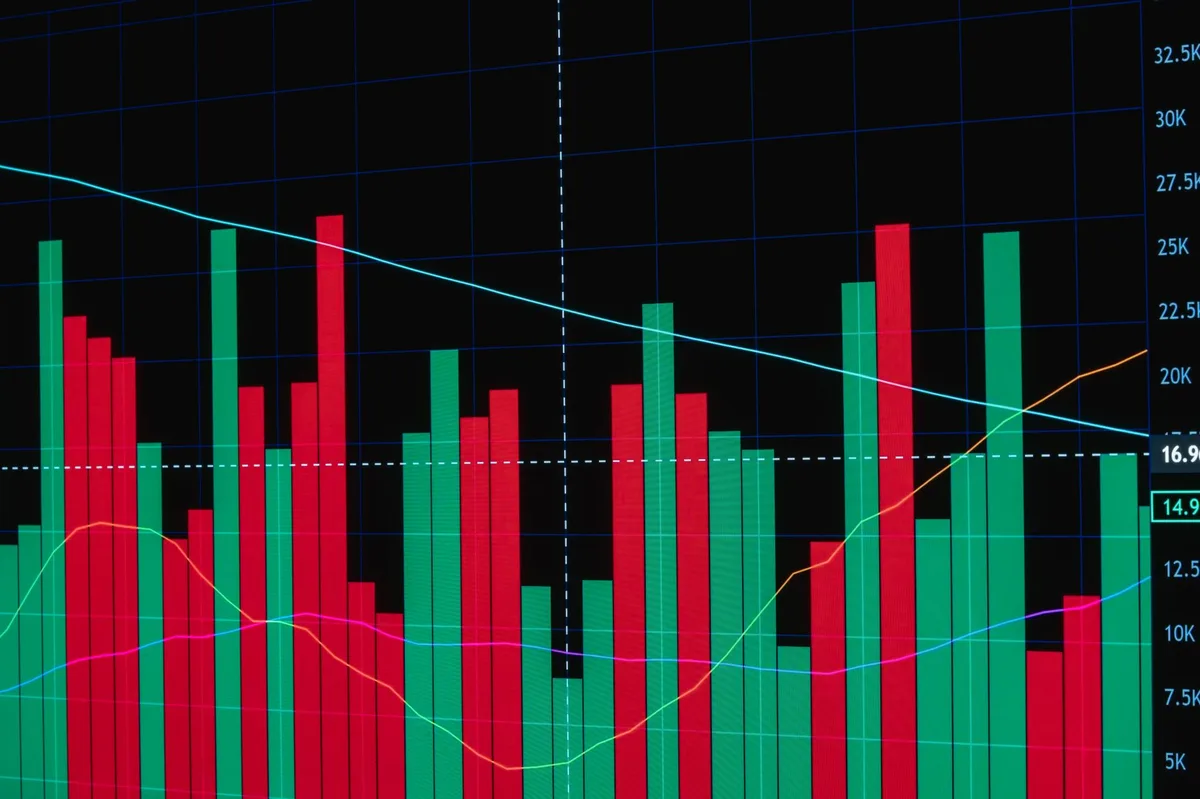
Pexels - Rafael Minguet Delgado · original
In this article
Key takeaway: Canadian dividend ETFs bundle TSX-listed dividend-paying stocks (banks, utilities, telecoms) into one fund, delivering regular income with built-in diversification. Top performers offer yields of 3% to 5%, focus on eligible Canadian dividends for tax efficiency, and charge management fees (MERs) typically below 0.70%. Hold them in a TFSA for tax-free income or an RRSP to defer tax until withdrawal.
Why Dividend ETFs Appeal to Canadian Investors
A dividend exchange-traded fund pools dozens or hundreds of dividend-paying stocks into a single TSX-traded security. Instead of hand-picking individual bank, telecom, or utility stocks, you buy one ETF and collect distributions (usually monthly or quarterly) from the entire basket. For investors who want passive income without the research burden of stock selection, dividend ETFs simplify the process while spreading risk across sectors and companies.
Canadian dividend ETFs typically hold large-cap TSX names: the Big Five banks (RBC, TD, Scotiabank, BMO, CIBC), national telecoms (BCE, Telus), pipelines (Enbridge, TC Energy), utilities, and REITs. These companies have track records of consistent payouts, often raising dividends annually. The ETF structure delivers instant diversification, liquidity (you can sell on any trading day), and transparent holdings published daily by the fund manager.
What Makes a Top Dividend ETF
Top Canadian dividend ETFs share several characteristics. Yield is the starting point: a strong fund offers a current yield between 3% and 5%, materially above the yield on Government of Canada bonds or high-interest savings accounts. Yields above 6% warrant caution, they may signal elevated risk, unsustainable payouts, or a concentration in volatile sectors.
Eligible dividend focus matters for taxable accounts. Canadian corporations pay eligible dividends, which qualify for the federal dividend tax credit and lower provincial tax rates. According to the Canada Revenue Agency, eligible dividends are taxed more favourably than interest income or foreign dividends (CRA, 2024). A dividend ETF holding primarily Canadian equities maximizes this tax advantage for non-registered accounts.
Low management expense ratio (MER) preserves returns. Top dividend ETFs charge MERs between 0.05% and 0.70% annually. A fund with a 4% yield and a 0.60% MER nets you 3.40% after fees; a comparable fund at 0.10% MER nets 3.90%, a meaningful difference compounded over decades. Passively managed index-tracking dividend ETFs (from providers such as iShares, Vanguard, or BMO) usually undercut actively managed peers on cost.
Track record and distribution consistency signal reliability. Review the fund’s distribution history over five or ten years. Has the payout remained stable or grown, or does it swing year to year? Stable distributions indicate sound underlying holdings and disciplined fund management, as covered in foundational texts such as Principles of Finance.
Tax-Efficient Holding Strategies
Where you hold a dividend ETF shapes your after-tax return. In a TFSA, all dividend income and capital gains are tax-free, making the TFSA ideal for younger investors or those who have not maximized RRSP room. The $7,000 annual TFSA contribution limit (2024) and cumulative unused room let you shelter growing income permanently.
Read also: Understanding S&P 500 ETFs for Canadian Investors in Canada
In an RRSP, dividends compound tax-deferred until you convert to a RRIF and begin withdrawals in retirement. The dividend tax credit does not apply inside an RRSP (RRSP income is fully taxable on withdrawal), but the deferral benefit and upfront deduction often outweigh the loss of the credit, especially for higher earners.
In a taxable account, eligible dividends receive the dividend tax credit, lowering your effective tax rate compared to interest or employment income. Consult a CPA or use the CRA’s tax tools to model your marginal rate on dividends versus other income types for your province and bracket.
Who Should Consider Dividend ETFs
Dividend ETFs suit investors seeking current income without the volatility of individual stock bets. Retirees drawing regular cash flow, conservative accumulators building a passive income stream, and those who prefer equities over GICs or bonds but want lower volatility than growth stocks all find value in dividend funds.
They are not a fit for every goal. Growth-focused investors (especially younger savers with decades to compound) may prefer broad-market index ETFs with higher equity exposure and lower yield but greater long-term capital appreciation potential. Dividend ETFs also carry equity risk: during market downturns, share prices fall even if distributions continue, and distributions can be cut if the underlying companies face stress.
Conclusion
Top Canadian dividend ETFs deliver a balance of income, diversification, and tax efficiency for investors prioritizing cash flow over maximum growth. Look for funds with sustainable yields in the 3% to 5% range, a focus on eligible Canadian dividends, low MERs, and a track record of stable distributions. Hold them in a TFSA for tax-free income or an RRSP for tax-deferred compounding. Verify current yields, holdings, and MERs on the fund manager’s website before investing, and consult a Certified Financial Planner to align your dividend strategy with your broader financial plan and risk tolerance. For further guidance on building a diversified portfolio, explore resources from the Financial Consumer Agency of Canada (FCAC, 2024) and reputable Canadian investment education platforms (MoneySense, 2024).
Financial Disclaimer: This article provides general educational information about Canadian dividend ETFs and does not constitute personalized investment, tax, or financial advice. Dividend yields, fund holdings, and tax rules change over time. Consult a Certified Financial Planner (CFP) or a Chartered Professional Accountant (CPA) for advice tailored to your personal financial situation, risk tolerance, and goals. Verify current yields, MERs, and holdings on the fund manager’s website before investing.
Sources
- Investing and Saving (accessed )
- Financial Literacy Resources (accessed )
- Tax-Free Savings Account (accessed )
- Principles of Finance (accessed )
Related articles

Top Dividend ETFs Leading Canada's High-Income Investment Trend in 2026
Canadian dividend ETFs are attracting record investor interest in 2026. Compare yields, MERs, and holdings of the top income-focused funds on the TSX.
Dividend ETFs: A Time-Tested Income Strategy for Investors in Canada
Learn how dividend ETFs provide Canadian investors with reliable income, tax efficiency, and diversification across TSX-listed holdings.
5 Key Factors Canadian Investors Should Watch in the Vanguard High Dividend Yield ETF
Monitor these 5 critical factors for VDY ETF: sector concentration, dividend sustainability, Bank of Canada rates, energy exposure, and valuation spreads.
