Finanças
3 Top-Performing Active Canadian Dividend & Income Equity ETFs in Canada
Discover the characteristics and strategies behind actively managed Canadian dividend ETFs that have delivered strong income and total returns for investors.
Articles about equities under Finance.
Discover the characteristics and strategies behind actively managed Canadian dividend ETFs that have delivered strong income and total returns for investors.
Learn how Dividend Reinvestment Plans (DRIPs) automatically compound your returns by purchasing additional shares with your dividend income, and how Canadian investors can use them in registered and taxable accounts.

A barbell strategy combines defensive assets like high-yield bonds and gold with growth-focused investments in AI infrastructure and global equities, creating a portfolio anchored at two extremes rather than clustered in the middle.
The Vanguard FTSE Canadian High Dividend Yield Index ETF (VDY) offers exposure to high-yielding Canadian stocks, but sector concentration and economic shifts demand close monitoring.

Two established TSX dividend stocks offering reliable income streams and growth potential for Canadian registered accounts.

Just opened an RRSP? Discover which Vanguard S&P 500 ETF avoids the 15% US withholding tax and why your RRSP account makes all the difference for Canadian investors.

A complete guide to buying, holding, and managing Bitcoin and other cryptocurrencies in Canada, covering tax obligations, regulated exchanges, and registered account rules.
Bank ETFs, financial services funds, and insurance-focused investments have become dominant forces in Canada's exchange-traded fund market, offering exposure to the country's resilient financial sector.

As the Bank of Canada adjusts policy rates and inflation expectations shift, Canadian investors holding global funds, ETFs, bonds and thematic strategies face repricing across asset classes.

Dividend ETFs on the TSX continue attracting Canadian investors seeking reliable income streams. Discover which high-yield funds are dominating portfolios in 2026.
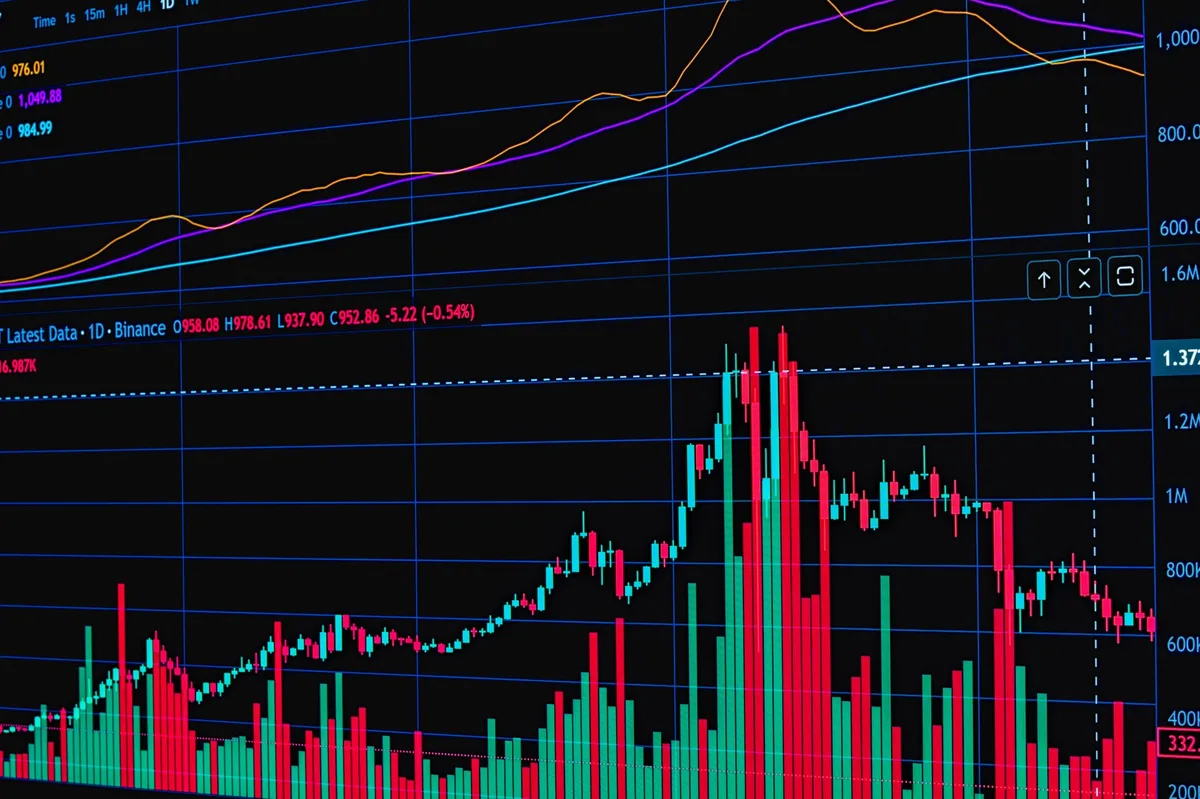
Younger investors in Canada are increasingly turning to covered-call ETFs for income generation amid economic uncertainty. Learn what these products are, why they appeal to millennials and Gen Z investors, and what to consider before adding them to your TFSA or RRSP.

Russell Investments broadens its Canadian ETF suite with five new funds targeting diversified exposure across equity and fixed-income markets.
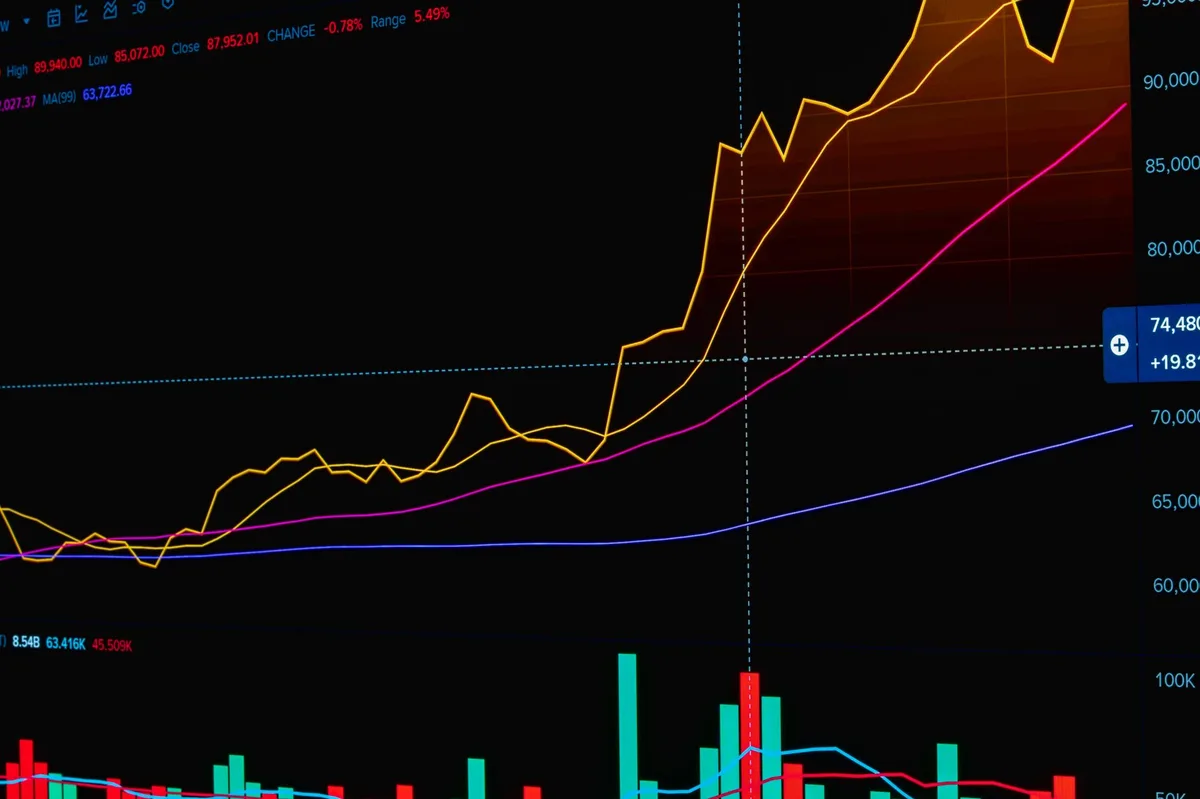
Canada's ETF market expanded significantly in 2026 with 44 new funds, many designed to generate regular income. Here's what this surge means for Canadian investors building TFSA and RRSP portfolios.
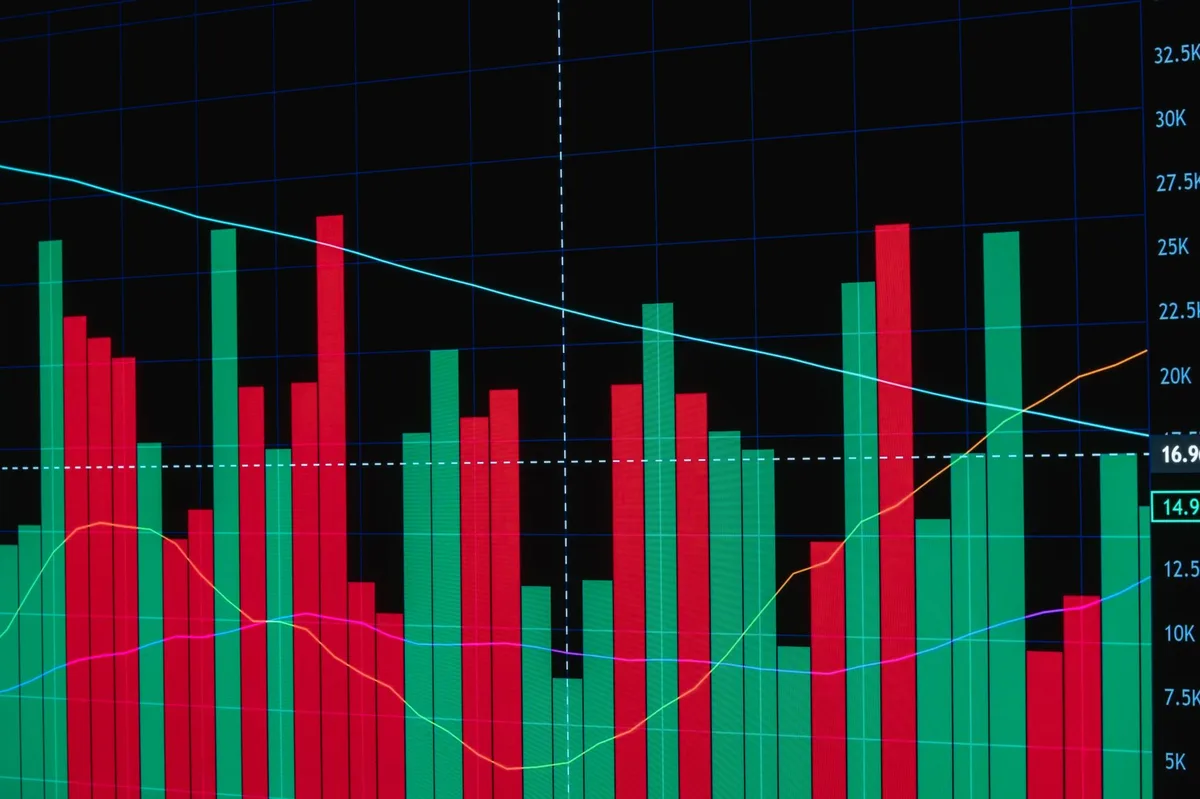
J.P. Morgan has launched a new fixed-income ETF targeting institutional and retail investors. Here's what Canadian investors should understand about access, tax implications, and how it compares to domestic alternatives.
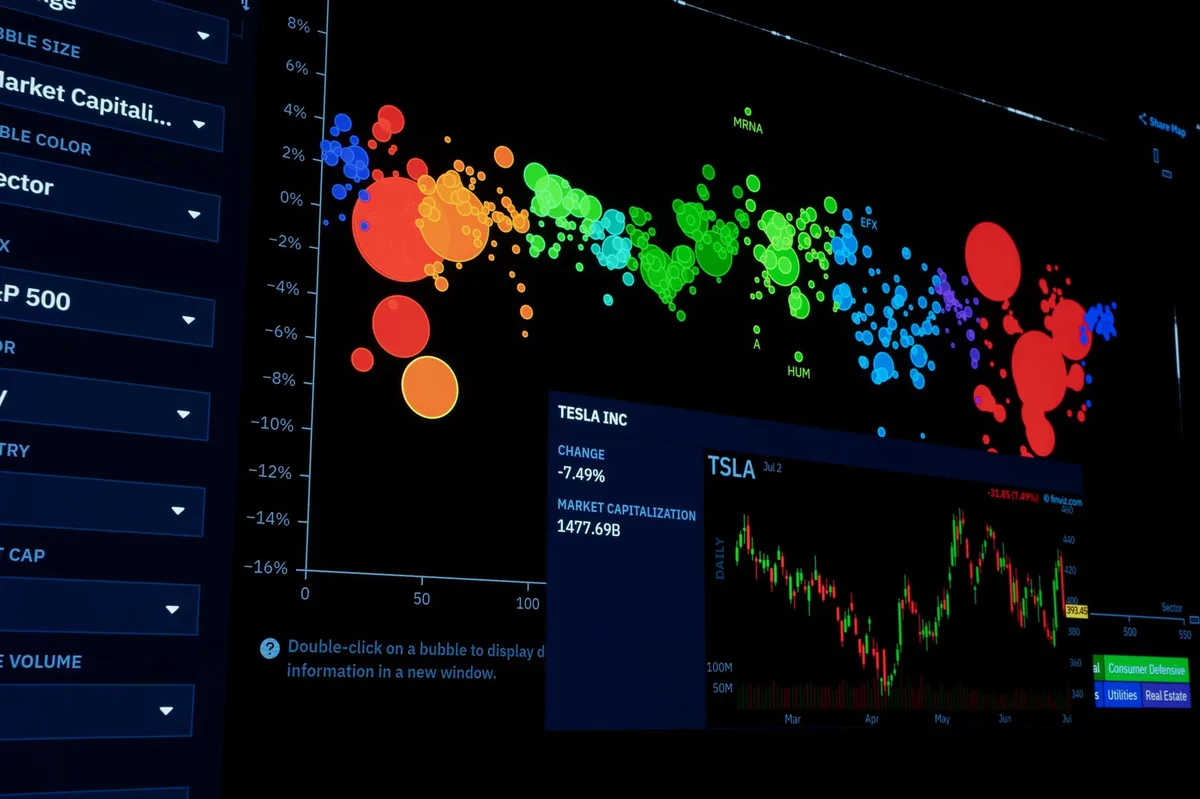
Vanguard Canada has expanded beyond passive indexing with its first actively managed bond ETF, offering professional bond selection for Canadian investors.

A comprehensive guide to the top balanced ETFs on the TSX that combine stocks and bonds in a single fund for simplified portfolio management.

Low-cost, broad-market index ETFs have delivered consistent long-term returns for Canadian investors while keeping fees minimal. Here's why they deserve a place in your portfolio.

NEI Investments introduces cost-efficient portfolios combining passive Vanguard equity ETFs with actively managed bonds, offering Canadian investors a middle ground between pure passive and fully active strategies.

Discover the top cash-alternative ETFs trading on the TSX that offer liquidity, competitive yields, and low fees for Canadian investors seeking alternatives to traditional savings accounts.
Dividend-focused ETFs combine passive income, diversification, and tax efficiency for Canadian investors seeking reliable cash flow from their portfolios.
Three low-cost, diversified ETFs traded on the TSX that offer Canadian investors exposure to equities, bonds, and global markets for long-term growth.
As investors adjust their portfolios for the remainder of 2026, several ETF categories on the TSX are drawing increased attention amid shifting market conditions and interest rate dynamics in Canada.
Canadian dividend ETFs offer passive income from TSX blue-chips with built-in diversification. Learn what makes a dividend ETF attractive and how to hold them tax-efficiently.

Learn how Canadian investors can access S&P 500 ETFs, the differences between Canadian-listed and US-listed options, and how to minimize withholding tax through smart account selection.

Compare the leading low-cost ETF providers on the Toronto Stock Exchange and find the right fit for your investment strategy and portfolio size.

Compare two core investment strategies for Canadian investors: spreading purchases over time or investing all at once.

Index funds charge 0.05-0.25% while active funds charge 1.5-2.5% or more. Understand what you're paying for and whether the premium delivers value for Canadian investors.

A management expense ratio of just 2% can cost you over $100,000 in lost returns on a $100,000 portfolio over 20 years. Use this checklist to audit your investments and cut hidden fees.

Learn when to rebalance your investment portfolio and how often Canadian investors should review their asset allocation to stay on track.

Exchange-traded funds on the Toronto Stock Exchange offer Canadian investors a simple, affordable way to build diversified portfolios with low fees and broad market exposure.

The best RRSP ETFs for Canadians are usually low-cost, diversified funds that match your time horizon and risk tolerance. This guide explains which ETF types deserve a closer look in 2026.

Wealthsimple wants Ottawa to look at investment transfer fees, arguing that Canadians should be able to move accounts without being penalized. Here is what the issue means for RRSP, TFSA, and taxable investors.

Gold ETFs can give Canadian investors exposure to bullion or gold mining stocks without storing coins or bars. The right choice depends on whether you want direct gold price exposure, Canadian-dollar trading, income, or higher-risk miner exposure.

Learn how Canadian investors can access S&P 500 ETFs, navigate currency considerations, withholding taxes, and choose the right account type for U.S. equity exposure.
Get new articles?
Want notifications about new articles and tools? You can unsubscribe anytime, and we store no personal data about you.
