Emergency Fund Calculator in Australia: How Many Months of Expenses Do You Need?
Estimate a realistic emergency fund target based on your essential monthly expenses, household risk and access to cash. Learn where Australians commonly keep emergency savings.
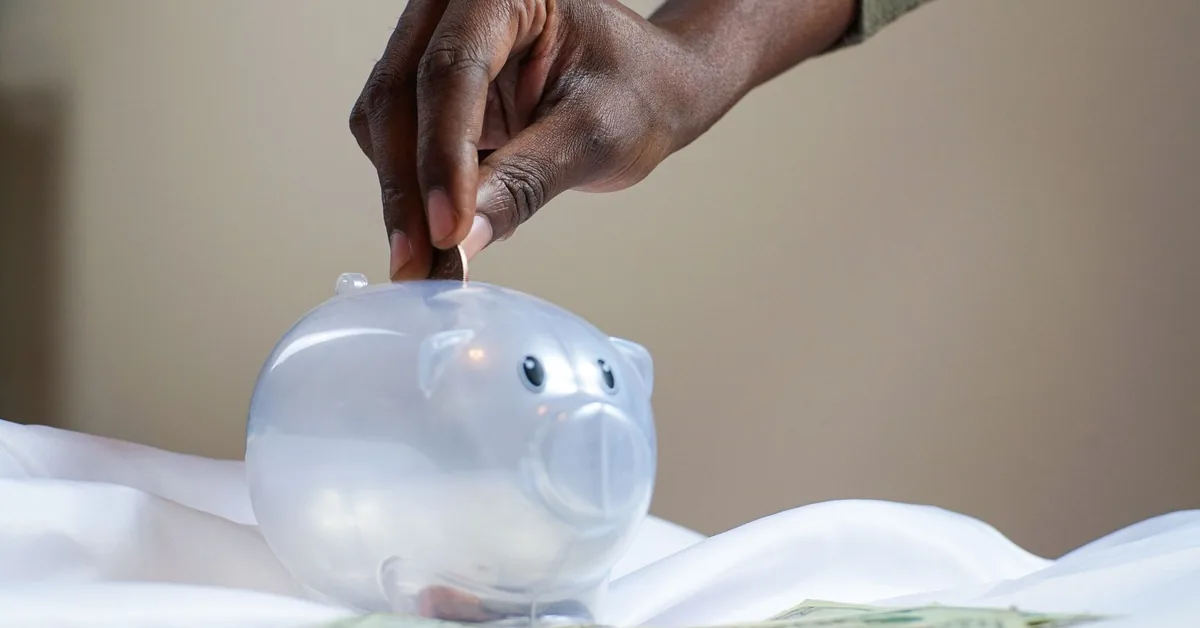
Pexels - Joslyn Pickens · original
In this article
General Advice Warning
This article provides general information only and does not constitute personal financial advice. It has been prepared without taking into account your objectives, financial situation or needs. Before acting on any information in this article, you should consider whether it is appropriate for you and seek advice from a licensed financial adviser if necessary.
An emergency fund answers a simple but stressful question: if your income stopped, your car needed urgent repairs, or a medical bill landed tomorrow, how long could your household keep going without using a credit card or selling investments at the wrong time? In Australia, the usual starting point is three months of essential expenses, but the right number can be lower or higher depending on your income stability, dependants, rent or mortgage commitments, insurance cover and access to paid leave. According to ASIC MoneySmart, a good target is enough to cover three months of expenses, with a separate high-interest savings account or offset account often used to keep the money accessible (MoneySmart, 2026).
The formula in plain language
The calculator starts with your essential monthly expenses. This is not your total lifestyle spending. It is the amount needed to keep the household operating: rent or mortgage repayments, groceries, utilities, transport, insurance, minimum debt repayments, medicines, child care, school costs and other bills that cannot be paused easily. If your normal monthly spending is A$6,200 but A$1,400 of that is restaurants, subscriptions, shopping and holidays, your emergency fund calculation may be based closer to A$4,800.
The second input is the number of months you want covered. Three months can suit a stable employee with paid sick leave, no dependants and a second income in the household. Six months may be more appropriate for a single-income family, a contractor, a casual worker, a small business owner, or someone in an industry where finding the next role can take longer. The calculation is simply: essential monthly expenses multiplied by target months, less any emergency savings you already have.
Where the money sits matters almost as much as the target. Emergency savings are not meant to chase the highest possible return. They are meant to be available quickly and reliably. ASIC MoneySmart says savings accounts can help separate money from everyday spending, and the features to compare include interest rates, fees, withdrawal conditions and whether bonus interest rules apply (MoneySmart, 2026). If you have a home loan, an offset account can also be suitable because the balance can reduce interest charged while remaining accessible, subject to your lender’s rules (MoneySmart, 2026).
Worked example
Consider Priya and Daniel in Brisbane. Their combined household income is steady, but they have one child in day care and a mortgage. Their usual monthly spending is A$7,300. After separating true essentials from optional spending, they estimate their essential monthly expenses at A$5,600.
They already have A$8,000 in a separate savings account. They decide that three months is too thin because one income would not comfortably cover the mortgage and child care. They choose a five-month target.
Their emergency fund target is:
A$5,600 monthly essentials x 5 months = A$28,000
Read also: Australian EOFY June 30: Compare Last-Minute Super, Deductions, and Tax Strategies
They already have A$8,000, so the remaining gap is:
A$28,000 - A$8,000 = A$20,000
If they can add A$800 a month, the calculator would show that it takes about 25 months to close the gap before interest. If they also direct a A$2,000 tax refund into the fund, the remaining gap falls to A$18,000 and the timeline shortens to about 23 months before interest. In practice, they might hold the first A$10,000 in a same-day access savings account and the rest in their mortgage offset account, provided they can still access it quickly.
The deposit guarantee is also relevant when choosing where to keep the money. APRA states that under the Financial Claims Scheme, deposits are protected up to A$250,000 for each account holder at each Australian-incorporated authorised deposit-taking institution, including banks, building societies and credit unions authorised by APRA (APRA, 2026). That does not mean every cash-like product is covered. It is a reason to check whether the provider is an ADI and whether your balance across that institution stays within the scheme limit.
A practical way to think about the result
A calculator gives you a number, but the useful decision is the level of resilience you are buying. One month of expenses may stop a small problem becoming debt. Three months can absorb a short income shock. Six months can give a household time to deal with redundancy, illness, a failed business contract or a major repair without making rushed financial choices.
Keep the fund boring. A high-interest savings account, a transaction-linked savings account, or a mortgage offset account usually fits the job better than shares, ETFs, crypto, long term deposits or anything that could fall in value or be hard to withdraw quickly. Savings rates, fees, bonus conditions and offset features change over time, so as of June 2026, verify current terms directly with the provider before deciding.
Once your target is reached, review it after rent increases, mortgage rate changes, a new child, a job change, separation, illness, or a move into self-employment. Your emergency fund should reflect the bills you would actually need to pay in a difficult month, not the number that looked right two years ago.
Sources
- Save for an emergency fund (accessed )
- Savings accounts (accessed )
- Financial Claims Scheme: Banks, building societies and credit unions (accessed )
- Mortgage offset accounts (accessed )
Related articles
Melbourne Cup Long Weekend: How to Budget for Spring Spending in Australia
Budget for Melbourne Cup long weekend spending with this practical guide. Set limits, track expenses, and avoid spring carnival money traps.
Emergency Fund Calculator: How Much to Save and Where to Keep It in Australia
Calculate how much to save in your emergency fund and discover the best places to keep it in Australia for instant access and security.

Planning Your Finances for a Career Break or Parental Leave in Australia
Learn how to prepare your finances for a career break or parental leave in Australia, covering income support, budgeting and superannuation.
