Emergency Fund Calculator: How Many Months of Expenses Should You Save in Australia?
Calculate how much you need in your emergency fund and discover where to keep it safe and accessible in Australia.
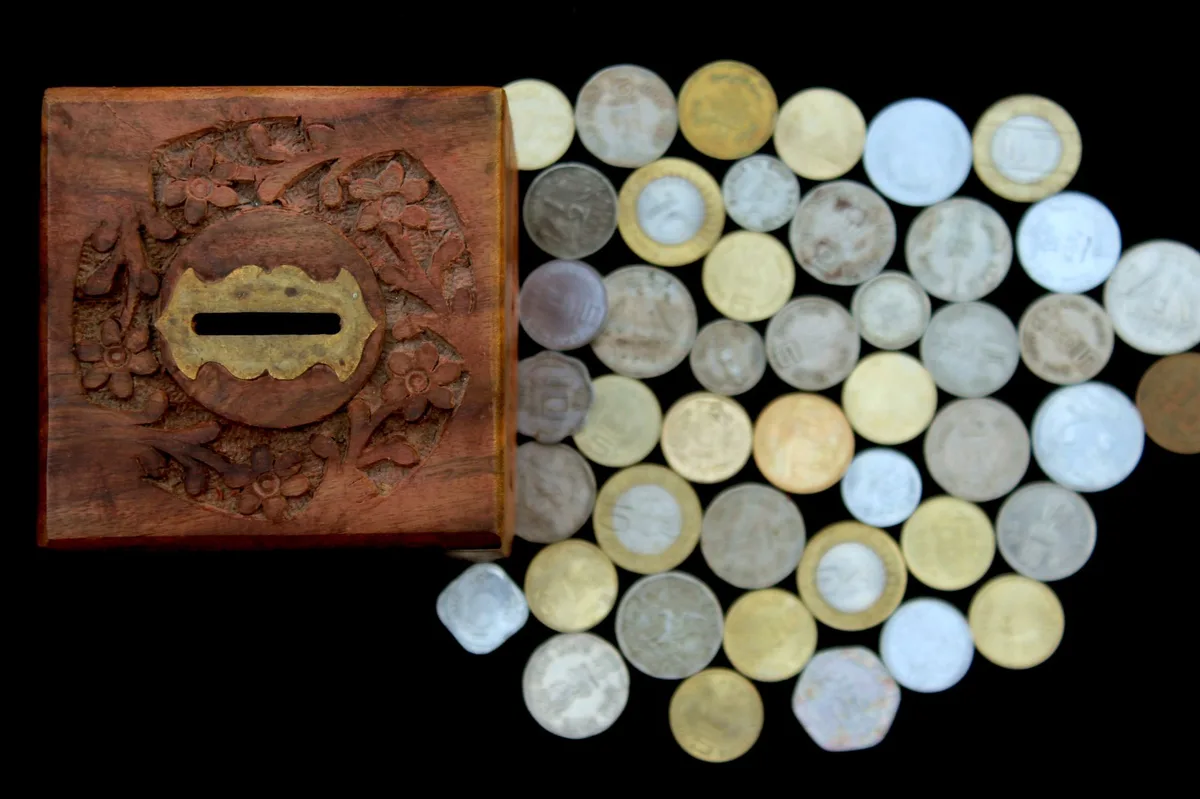
Pexels - Debraj Chanda · original
In this article
This article provides general information only and does not constitute personal financial advice. It has been prepared without taking into account your objectives, financial situation or needs. Before acting on any information in this article, you should consider whether it is appropriate for you and seek advice from a licensed financial adviser if necessary.
The Problem Every Australian Worker Faces
Your car breaks down on the way to work. A filling comes loose and you need emergency dental work. Your employer restructures and you receive a redundancy notice. These situations share one thing in common: they demand immediate cash, and they never arrive at a convenient time. An emergency fund is the buffer between an unexpected expense and financial stress. Without one, Australians often turn to credit cards, personal loans, or early super withdrawals, each carrying steep costs and long-term consequences.
According to ASIC MoneySmart, building an emergency fund is one of the foundations of financial stability. The question is not whether you need one, but how much to save and where to keep it.
How the Calculation Works
The standard recommendation is to save between three and six months of essential living expenses. The right number for you depends on your employment stability, household income sources, and fixed commitments.
What counts as an essential expense? Include rent or mortgage repayments, groceries, utilities, insurance premiums, minimum loan repayments, transport costs, and childcare. Exclude discretionary spending such as dining out, entertainment subscriptions, and holidays. If you lost your income tomorrow, these are the costs you could not avoid.
Why three to six months? Three months suits dual-income households, permanent employees with strong job security, or those with minimal fixed costs. Six months is better for sole traders, casual workers, commission-based earners, single-income families, or anyone in an industry with volatile employment. As discussed in foundational texts such as Principles of Finance, liquidity is the key trade-off: your emergency fund must be accessible within 24 to 48 hours, which limits the returns you can earn on it.
Where to keep it in Australia. The ideal home for an emergency fund balances accessibility, safety, and a modest return. The most common options include:
- High-interest savings accounts (HYSA): Online savings accounts from banks such as ING, Macquarie, and Ubank often pay competitive rates (verify current rates at Canstar or Finder before opening an account). Funds are protected under the Australian Government’s Financial Claims Scheme up to $250,000 per account holder per authorised deposit-taking institution (ADI). Withdrawals are instant or next-day.
- Offset accounts: If you have a home loan, an offset account reduces the interest you pay while keeping the money fully accessible. Every dollar in the offset reduces the balance on which your mortgage interest is calculated, delivering a tax-free return equivalent to your loan rate.
- Term deposits: Not recommended for emergency funds. They lock your money away for a fixed period (30 days to five years), and early withdrawals typically forfeit the interest. Reserve term deposits for savings goals with a known timeline, not emergencies.
- Avoid super: Accessing super early is restricted to severe financial hardship or compassionate grounds, and comes with tax implications and permanent loss of retirement savings. Your emergency fund must sit outside super.
A Worked Example
Mia is a graphic designer in Melbourne, working as a sole trader. Her essential monthly expenses are:
Read also: Building an Emergency Fund in Australia: How Many Months and Where to Keep It
- Rent: $1,800
- Groceries: $500
- Utilities (electricity, gas, internet): $250
- Health insurance: $180
- Car loan minimum repayment: $400
- Petrol and transport: $200
- Mobile phone: $70
Monthly total: $3,400
Because Mia’s income fluctuates and she has no sick leave or annual leave entitlements, she targets six months of expenses:
$3,400 × 6 = $20,400
She opens a high-interest savings account paying 4.50% per annum (as of August 2026; verify current terms before deciding) and sets up an automatic transfer of $500 per fortnight. At this rate, she will reach her $20,400 target in just under two years, while earning interest along the way.
If Mia were a permanent employee with stable income and a partner also earning, three months ($10,200) might suffice, cutting the timeline in half.
Using the Calculator
The emergency fund calculator lets you enter your monthly expenses, choose your target coverage (three, four, five, or six months), and instantly see your savings goal. You can also model different contribution amounts to see how long it will take to reach your target, and compare the modest interest you will earn in a high-interest savings account versus an offset account.
Building an emergency fund is not glamorous. It will not generate the returns of shares or property. But it is the foundation that lets you take calculated risks elsewhere, knowing that a single unexpected bill will not unravel your plans. The calculator gives you the number. The discipline to reach it is yours.
Sources
- Managing Your Money (accessed )
- Savings Accounts (accessed )
- Savings Accounts (accessed )
- Principles of Finance (accessed )
Related articles
Emergency Fund Calculator: How Much to Save and Where to Keep It in Australia
Calculate how much to save in your emergency fund and discover the best places to keep it in Australia for instant access and security.
Melbourne Cup Long Weekend: How to Budget for Spring Spending in Australia
Budget for Melbourne Cup long weekend spending with this practical guide. Set limits, track expenses, and avoid spring carnival money traps.

Personal Budgeting in Australia: Zero-Based Versus the 50-30-20 Rule
Compare zero-based budgeting and the 50-30-20 rule to find the best budgeting method for your Australian finances.
