How to Choose the Best Cash ISA for Your Savings in the UK
Compare interest rates, access terms, and FSCS protection to find the Cash ISA that fits your savings goals and timeline.

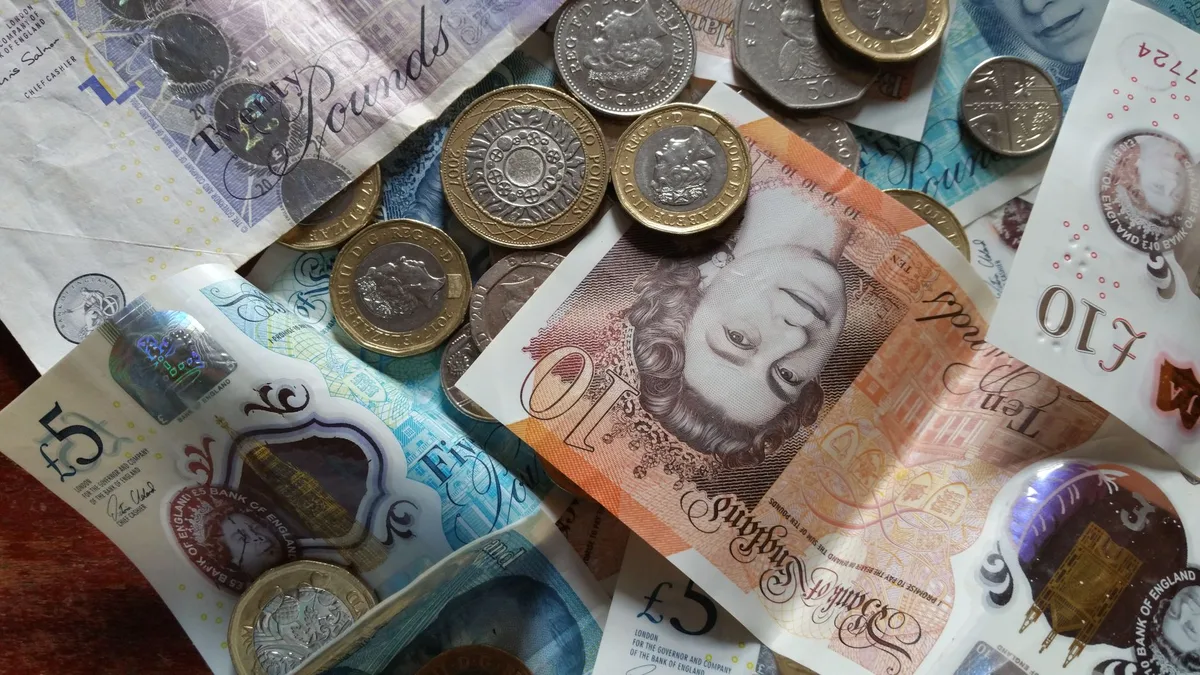
Pexels - Pixabay · original
In this article
A Cash ISA (Individual Savings Account) lets you earn interest on your savings without paying tax on that interest. For UK savers, this means every pound of interest stays in your account instead of going to HMRC. With the annual ISA allowance set at 20,000 GBP per tax year (April to April), choosing the right Cash ISA can make a meaningful difference to how your savings grow.
The tax benefit matters most if you earn interest above your Personal Savings Allowance (1,000 GBP for basic-rate taxpayers, 500 GBP for higher-rate taxpayers, zero for additional-rate taxpayers). If your total savings interest exceeds these thresholds, a Cash ISA shelters that income from tax. According to HMRC, any interest earned within a Cash ISA is completely tax-free (HMRC, 2026).
Compare the Annual Equivalent Rate (AER)
The AER shows what you will earn over a year if the interest rate stays the same and you leave your money untouched. It accounts for compounding, so a 4.5 per cent AER means you will earn 4.5 per cent on your balance over 12 months. When comparing Cash ISAs, the AER is your clearest measure of return.
Fixed-rate Cash ISAs typically offer higher AERs than easy-access accounts because you agree to lock your money away for a set term (one year, two years, three years, or longer). Variable-rate easy-access Cash ISAs give you the freedom to withdraw anytime, but the provider can change the rate without notice. According to MoneyHelper, fixed-rate bonds suit savers who do not need immediate access, while easy-access accounts work better for emergency funds (MoneyHelper, 2026).
Check whether the rate is guaranteed for the full term or whether it is an introductory bonus that drops after a few months. Some providers advertise a high headline rate that applies only for the first year, then switches to a much lower rate. Read the terms carefully.
Decide How Quickly You Need Access
Easy-access Cash ISAs let you withdraw funds at any time without penalty. This flexibility suits money you might need on short notice, such as an emergency fund covering three to six months of expenses. Some easy-access ISAs limit the number of withdrawals per year (for example, three penalty-free withdrawals), so confirm the withdrawal terms before opening.
Fixed-rate Cash ISAs lock your savings for a chosen term. Early withdrawal usually costs you some or all of the interest earned, and some providers will not allow early access at all. Fixed rates often pay higher interest to compensate for that lack of liquidity. If you are certain you will not need the money during the term, a fixed-rate ISA can deliver better returns than an easy-access account.
Notice accounts sit between the two: you can access your money, but you must give advance notice (typically 30, 60, or 90 days). The notice period earns you a slightly better rate than instant access, while keeping the funds available if you plan ahead.
Check FSCS Protection
The Financial Services Compensation Scheme (FSCS) protects eligible deposits up to 85,000 GBP per person, per authorised institution. If your bank or building society fails, the FSCS will repay your balance up to that limit. This protection applies to Cash ISAs just as it does to ordinary savings accounts.
If you hold more than 85,000 GBP, split your savings across multiple authorised institutions (not just different brands, as some brands share the same banking licence). Check the FSCS website or the Financial Conduct Authority register to confirm which institution holds your ISA. As covered in Principles of Finance, deposit insurance is a cornerstone of retail banking stability, giving savers confidence that their funds are protected even if the provider encounters financial difficulty.
Consider Minimum Deposits and Fees
Some Cash ISAs require a minimum opening deposit (often 1,000 GBP or 5,000 GBP), while others accept any amount from one pound upwards. If you plan to save regularly through smaller monthly contributions, choose an ISA with a low or zero minimum.
Read also: Cash ISA vs Stocks and Shares ISA in the UK: Which Is Better for Your Goals in 2027
Most Cash ISAs carry no management fees, but always confirm before opening. A fee-charging ISA would need to offer a significantly higher rate to match the net return of a fee-free account.
Regular Savers Versus Lump Sums
If you plan to add money monthly, look for a regular-saver Cash ISA that rewards consistent deposits. These accounts often offer higher rates but restrict the amount you can pay in each month (for example, up to 250 GBP per month). They suit savers building a habit of monthly contributions.
If you have a lump sum to deposit, an ordinary Cash ISA (easy-access or fixed-rate) will likely accept the full amount immediately and pay competitive interest on the entire balance from day one.
Transfer Existing ISA Savings
You can transfer previous years’ ISA savings into a new Cash ISA without losing the tax-free status or using your current year’s allowance. Always request an ISA transfer through the new provider instead of withdrawing the cash yourself, as withdrawing and then redepositing counts against your annual allowance. The transfer process typically takes between two and four weeks.
Watch for Rate Changes
Variable-rate Cash ISAs can see their interest rates fall if the Bank of England base rate drops or if the provider decides to cut rates. Check your account regularly (at least every six months) and be prepared to switch if your rate becomes uncompetitive. Fixed-rate ISAs lock in the rate, protecting you from cuts during the term but also preventing you from benefiting if rates rise elsewhere.
Practical Steps
- Decide whether you need instant access, notice access, or can lock funds for a fixed term.
- Compare AERs across providers for the access type you need.
- Confirm FSCS protection and check that your total balance per institution stays within the 85,000 GBP limit.
- Verify minimum deposits, withdrawal limits, and whether the rate is guaranteed or promotional.
- Open the account online or in branch, providing proof of identity and address.
- If transferring, use the official ISA transfer process through your new provider.
The best Cash ISA for you depends on your savings timeline, how much access you need, and the current interest rate environment. Review your choice each tax year (as of October 2026; verify current rates and terms with an FCA-authorised adviser or the relevant provider before deciding), as rates and product features change regularly.
Financial Disclaimer: This article provides general educational information about Cash ISAs and is not regulated financial advice. Nexzoe is not authorised by the Financial Conduct Authority. Individual circumstances vary; consider speaking to an FCA-authorised Independent Financial Adviser for personal guidance. Tax rules and ISA allowances may change each tax year; always verify current rates and terms with HMRC or a qualified tax adviser before making decisions.
Sources
- Individual Savings Accounts (accessed )
- Types of Savings Accounts (accessed )
- Cash ISA Guide (accessed )
- Principles of Finance (accessed )
Related articles
Cash ISA vs Stocks and Shares ISA in the UK: Which Is Better for Your Goals in 2027
Cash ISA or stocks and shares ISA? Discover which tax-free account suits your 2027 goals, risk tolerance and time horizon in this UK guide.

How to Safeguard Your Cash Before ISA Changes Take Effect in the UK
Protect your tax-free savings before UK ISA changes. Step-by-step guide to maximising your allowance, timing transfers, and safeguarding cash.
The Best Cash ISAs on Offer: A Comprehensive Comparison for UK Savers
Compare the best cash ISAs in 2026: easy-access vs fixed-rate accounts, top rates from UK providers, FSCS protection, and which ISA suits your savings goals.
