Why 430 billion GBP in cash savings has reopened the ISA reform debate in the UK
Britain's cash savings pile has renewed calls to make ISAs simpler and help more cautious savers invest. The key question is how to improve clarity without pushing people into unsuitable risk.

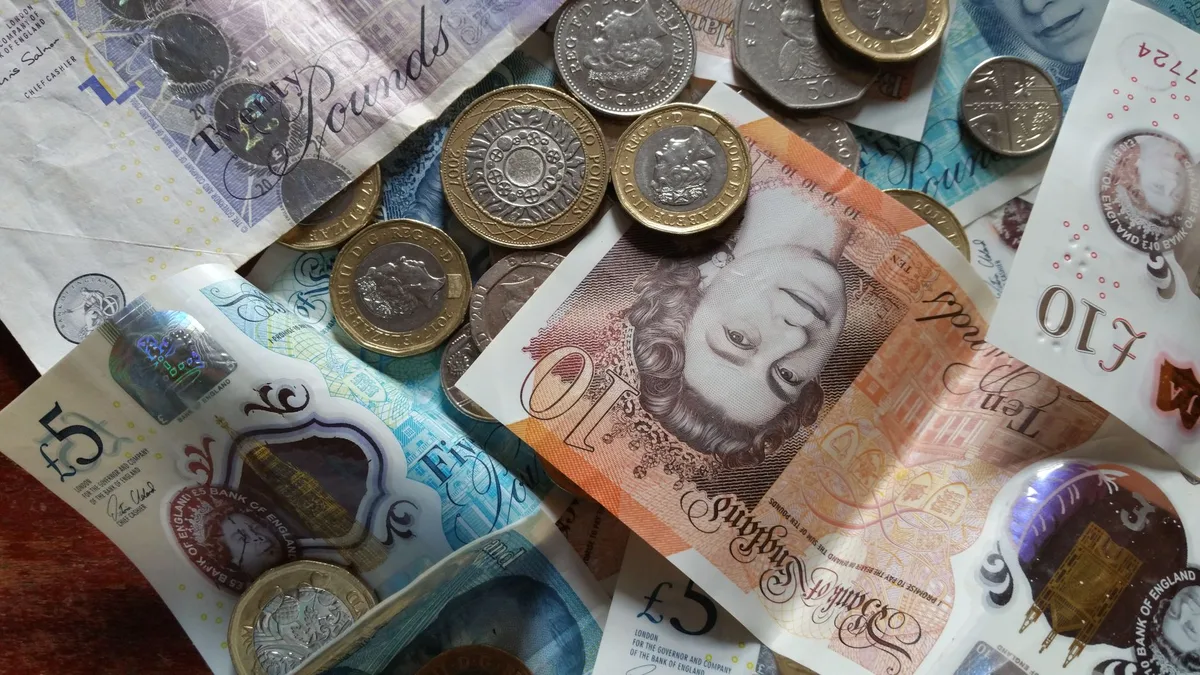
Pexels - crazy motions · original
British households are sitting on a large cash pile, and that has revived a familiar policy argument: ISAs may need to be simpler if the UK wants more people to invest for the long term. The Financial Times reported Barclays research suggesting Britons had about 430 billion GBP of excess cash savings, defined around holdings above six months’ income in cash (Financial Times, 2024).
The point is not that cash is wrong. Cash is the right place for emergency funds, bills, short-term goals, tax payments and money that must not fall in value just before it is needed. MoneyHelper explains that different savings products suit different needs, including access, interest and risk preferences (MoneyHelper, 2026).
The problem is when long-term money stays in cash by default. Over several years, inflation can reduce the real value of savings even when the account balance rises. Investing through a Stocks and Shares ISA involves market risk, including possible losses, but it can also give money exposure to shares, bonds, funds and investment trusts, which may offer better long-term growth potential than cash.
ISAs are central to the debate because they are supposed to make saving and investing tax efficient. According to HMRC, adults can subscribe up to 20,000 GBP to ISAs in a tax year, within the current ISA rules (HMRC, 2026). That allowance can be used across permitted ISA types, including a Cash ISA and a Stocks and Shares ISA.
The simplification argument is that many people understand the word “ISA” but not the choices beneath it. Cash ISAs feel familiar. Stocks and Shares ISAs can sound more technical, even when they hold a straightforward diversified fund. Lifetime ISAs have age limits, bonus rules and withdrawal penalties. Innovative Finance ISAs involve lending-related risks that will not suit many cautious savers. When the menu feels complicated, doing nothing can become the default.
That does not mean people should be pushed out of cash. MoneySavingExpert says Stocks and Shares ISAs are generally for money that can be left invested for at least five years, because markets can fall in the short term (MoneySavingExpert, 2026). That time horizon test matters more than the headline tax wrapper.
A sensible order of thinking is simple:
- Keep emergency money in cash, often three to six months of essential spending.
- Keep near-term goals in cash if the money is needed soon.
- Consider investing only for money that can stay invested for several years.
- Use the ISA wrapper that matches the job: Cash ISA for interest, Stocks and Shares ISA for long-term investing.
- Check charges, risks, access rules and provider status before moving money.
Protection is another key distinction. Eligible UK cash deposits are generally covered by the Financial Services Compensation Scheme up to 85,000 GBP per authorised institution. Investments are different: FSCS protection may apply if a regulated firm fails and conditions are met, but it does not protect investors from normal market losses.
So the ISA reform argument has merit if it improves understanding. A clearer system could help savers separate money for resilience from money for long-term growth. It should not turn into a blunt nudge that makes cautious households feel they must invest before they are ready.
For readers, the practical lesson is to review what each pot of money is for. Cash needed in the next few years usually belongs in cash. Money for longer-term goals may deserve a closer look at a Stocks and Shares ISA. ISA allowances, product terms and tax treatment are current as of June 2026 and can change each tax year, so check HMRC guidance and provider documents before acting.
This article is general educational guidance, not regulated financial advice. Nexzoe is not authorised by the FCA. Consider speaking to an FCA-authorised Independent Financial Adviser, or a qualified tax adviser, before making decisions for your personal situation.
Sources
- Britons have 430 billion GBP of excess cash savings, research finds (accessed )
- Individual Savings Accounts (accessed )
- Types of savings (accessed )
- Stocks and shares ISAs (accessed )
Related articles

How to Safeguard Your Cash Before ISA Changes Take Effect in the UK
Protect your tax-free savings before UK ISA changes. Step-by-step guide to maximising your allowance, timing transfers, and safeguarding cash.
Cash ISA vs Stocks and Shares ISA in the UK: Which Is Better for Your Goals in 2027
Cash ISA or stocks and shares ISA? Discover which tax-free account suits your 2027 goals, risk tolerance and time horizon in this UK guide.

Cash ISA versus Stocks and Shares ISA in the UK: Complete Comparison for the 2026-27 Tax Year
Compare Cash ISA, Stocks and Shares ISA, Lifetime ISA and Innovative Finance ISA for 2026-27. Understand returns, risks and which suits your goals.
