Finanças
3 Top-Performing Active Canadian Dividend & Income Equity ETFs in Canada
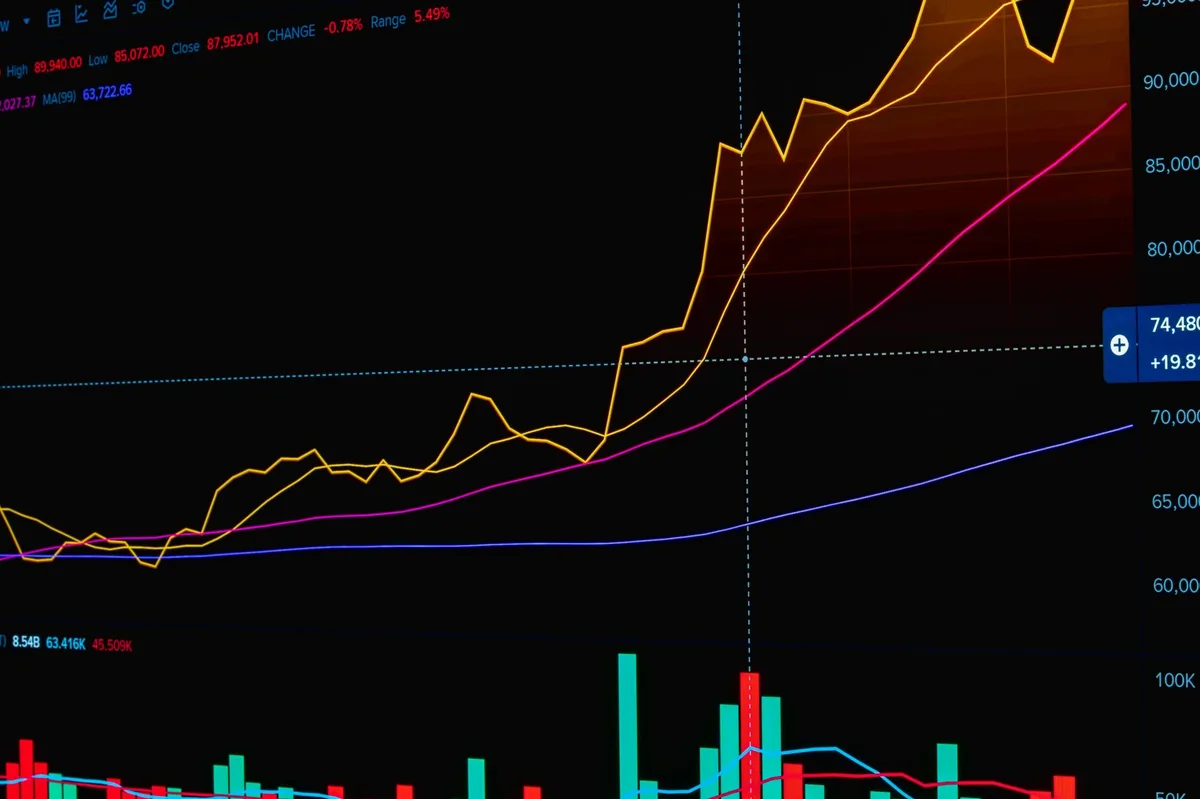
Discover the characteristics and strategies behind actively managed Canadian dividend ETFs that have delivered strong income and total returns for investors.
Personal finance, investing, and money management for the US audience.
Discover the characteristics and strategies behind actively managed Canadian dividend ETFs that have delivered strong income and total returns for investors.
Learn how Dividend Reinvestment Plans (DRIPs) automatically compound your returns by purchasing additional shares with your dividend income, and how Canadian investors can use them in registered and taxable accounts.

A barbell strategy combines defensive assets like high-yield bonds and gold with growth-focused investments in AI infrastructure and global equities, creating a portfolio anchored at two extremes rather than clustered in the middle.
The Vanguard FTSE Canadian High Dividend Yield Index ETF (VDY) offers exposure to high-yielding Canadian stocks, but sector concentration and economic shifts demand close monitoring.

Two established TSX dividend stocks offering reliable income streams and growth potential for Canadian registered accounts.

Just opened an RRSP? Discover which Vanguard S&P 500 ETF avoids the 15% US withholding tax and why your RRSP account makes all the difference for Canadian investors.

Learn how to make the most of your annual TFSA contribution room, avoid costly mistakes, and build tax-free wealth with strategic investing.

Understand when to prioritize your TFSA or RRSP for different investments, how to allocate between both accounts strategically, and which asset types belong in each to maximize after-tax returns and minimize risk.

Most Canadians open an RRSP first, but the TFSA is usually the smarter choice for your first investing account. Here's why the order matters and how to choose the right account for your situation.

Turn your CRA tax refund into long-term wealth with these five smart reinvestment strategies for Canadian investors.

JPMorgan Chase CEO Jamie Dimon warns the bull market may be ending. Here's what Canadian investors holding equities in registered accounts should consider now.
A recent poll reveals that half of Canadians now prioritize TFSA contributions over RRSPs, reflecting a fundamental shift in how Canadians approach tax-advantaged savings.

Just turned 18 with $1,000 to invest? Learn how to open a TFSA, choose between a high-interest savings account and low-cost ETFs, and start building wealth as a Canadian high school student with no job.
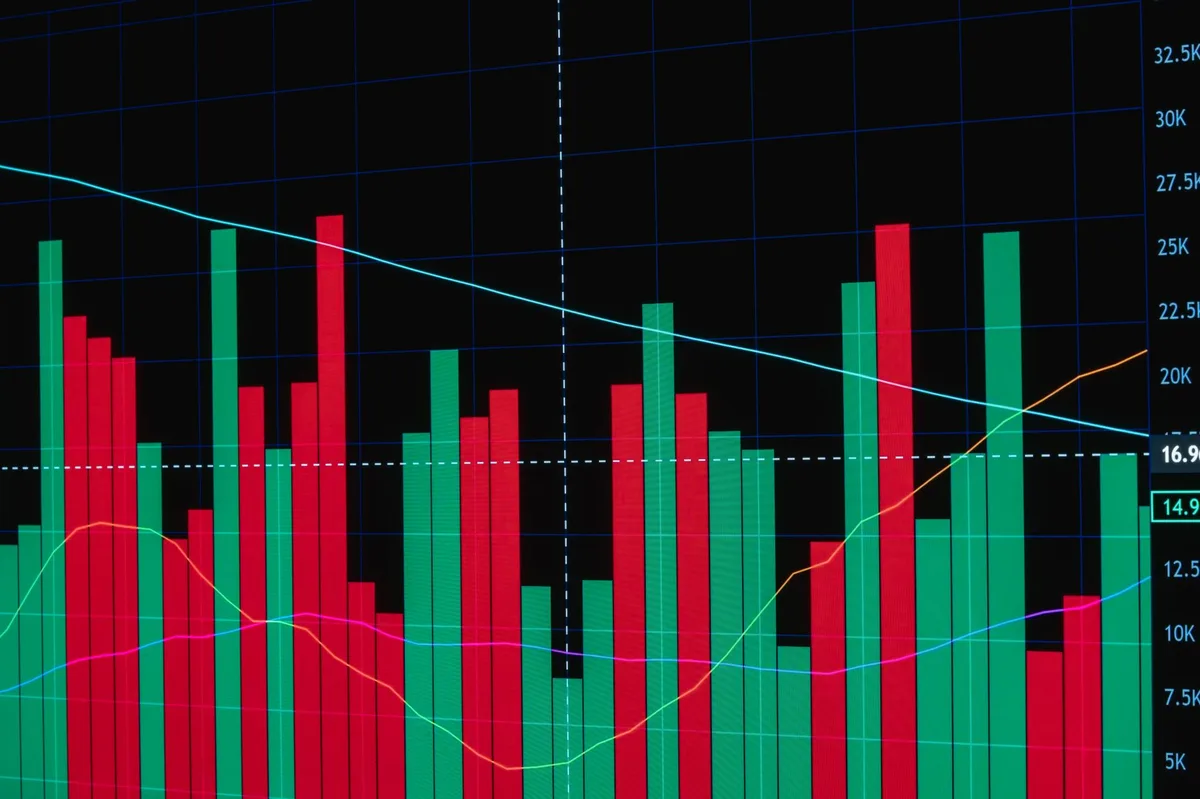
The 'Big Short' investor warns most people don't understand their holdings. Here's how Canadian RRSP and TFSA holders can avoid that trap.

A step-by-step guide to managing lottery winnings in Canada, from securing your ticket to building lasting wealth through smart financial planning and tax-efficient investing.

A practical checklist to protect your finances before and after extreme weather events hit Canada.

A practical guide to budgeting for winter heating costs, reducing energy consumption, and accessing Canadian energy assistance programs.
Learn how to build a solid emergency fund using high-interest savings accounts and TFSA strategies tailored to Canadian savers.

Learn where to check for the best high-interest savings account and GIC rates in Canada, how to compare terms, and what factors beyond the headline rate actually matter.

Learn how US Treasury bonds work for Canadian investors, including tax implications, currency considerations, and how they compare to Canadian government bonds.

Compare GICs and high-interest savings accounts to see which delivers better returns for your Canadian savings goals.

September marks GIC renewal season for many Canadians. Compare current rates from major banks and credit unions to maximize your guaranteed returns.

Compare GICs and high-interest savings accounts to find the best home for your Canadian savings based on your timeline and liquidity needs.

Learn how Guaranteed Investment Certificates work, how they compare to high-interest savings accounts, and when to choose each for your Canadian savings strategy.

A complete action plan for Canadian investors to organize tax documents, claim every eligible deduction, and maximize RRSP and TFSA contributions before the CRA deadline.

A comprehensive guide to capital gains taxation, TFSA and RRSP tax treatment, and key investment tax rules Canadian investors need to navigate in 2026.

Mark these four essential CRA deadlines on your calendar to avoid penalties and maximize your tax savings as a Canadian investor in 2026.

Five strategic year-end moves to reduce your tax bill and maximize registered account benefits before December 31.

Canada's June 2024 capital gains inclusion rate increase affects how investors are taxed on profits from selling assets. Understand the new two-tier system and strategies to manage your tax burden.

Compare online CRA My Account with phone, mail, and in-person services to choose the fastest, most convenient way to manage your Canadian taxes and benefits.

Learn how Canada's mortgage stress test affects your borrowing power and what qualifying rate you need to meet when applying for a mortgage.

Master the FHSA to save tax-free for your first home. Learn contribution limits, eligibility rules, and how to combine it with the Home Buyers' Plan.

Learn how the Home Buyers' Plan lets you withdraw up to $35,000 from your RRSP tax-free to purchase your first home in Canada, and understand the 15-year repayment rules.

The Bank of Canada's September 2026 rate decision affects mortgage borrowers differently depending on their rate type. Here's what fixed and variable mortgage holders need to know.

Learn the three key tools and requirements for buying your first home in Canada: the FHSA, RRSP Home Buyers' Plan, and the mortgage stress test.

Compare the FHSA and RRSP Home Buyers' Plan to find the best tax-advantaged strategy for your first Canadian home purchase.

Maximize your rewards this holiday season by reviewing your credit card benefits, bonus categories, and redemption options before you start shopping.

Learn how credit scores work in Canada, what factors influence them, and practical steps to improve your creditworthiness with the major bureaus.

Learn how your credit card balances affect your credit score in Canada and discover practical strategies to optimize your credit utilization ratio.

Balance transfer credit cards can help Canadians pay down debt faster, but the upfront fee only makes sense when the interest savings exceed the cost.

Compare the debt avalanche and debt snowball methods to find the best debt repayment strategy for your situation in Canada.

When you buy a car, the choice between financing and paying cash is not just about whether you have the money. The real question is which option costs less when you account for loan interest, opportunity cost, and what else you could do with your cash.

Learn how topping up your RESP before year-end can maximize Canada Education Savings Grant matching and avoid leaving free government money on the table.
Learn how to maximize education savings for your child through a Registered Education Savings Plan, including government grants, contribution strategies, and withdrawal rules.

Compare RESP and TFSA for education savings to find which registered account offers the best mix of government grants, tax benefits, and flexibility for your family's needs.

A summer RESP deposit can help families capture the annual Canada Education Savings Grant without waiting for December. Here is a practical checklist for timing contributions, grants, and school-year cash flow.

Understanding how fixed-income investment strategies can help Canadian investors build reliable retirement income through RRSPs, TFSAs, and RRIFs.

As Canadian markets reach new peaks in 2026, investors are reassessing their retirement plans. Learn how current market conditions affect RRSP contributions, TFSA allocations, CPP timing, OAS planning and dividend income strategies.

Learn how Canada Pension Plan and Old Age Security benefits integrate into your retirement income strategy, including timing decisions and tax implications.

Discover how the First Home Savings Account calculator helps you maximize your tax deduction and savings for your first home purchase in Canada.

Compare the tax savings and net benefits of the First Home Savings Account against the RRSP Home Buyers' Plan to determine the best strategy for your first home purchase in Canada.

Learn how CDIC protects your deposits and CIPF safeguards your investments, including coverage limits and what happens if your bank or brokerage fails.

Comparative analysis of fixed-income investment options in Canada following the central bank's June 2026 interest rate decision.
Get new articles?
Want notifications about new articles and tools? You can unsubscribe anytime, and we store no personal data about you.
