What to Do With a Windfall in Australia: Bonus, Inheritance or a Tax Refund
Smart strategies to make your bonus, inheritance or tax refund work harder for your financial future.

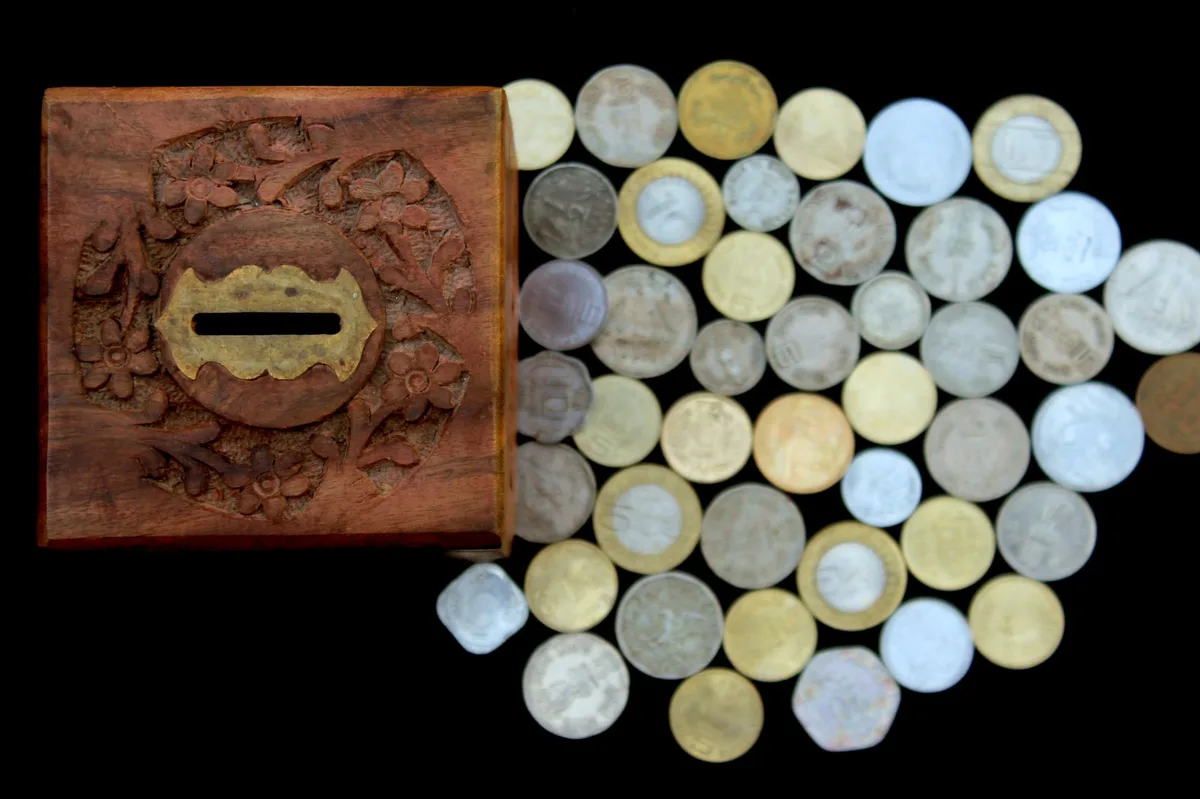
Pexels - Debraj Chanda · original
In this article
This article provides general information only and does not constitute personal financial advice. It has been prepared without taking into account your objectives, financial situation or needs. Before acting on any information in this article, you should consider whether it is appropriate for you and seek advice from a licensed financial adviser if necessary.
A work bonus, an inheritance, or a tax refund can feel like free money. The temptation to splurge is real. But a windfall, whether it is $500 or $50,000, is an opportunity to strengthen your financial position and build lasting security. How you deploy it today shapes your financial trajectory for years to come.
The principles covered in foundational texts such as Principles of Finance remind us that windfalls are best used to close financial gaps, reduce risk, and compound growth over time. Here is how to make your windfall count.
Build or Top Up Your Emergency Fund
An emergency fund is your financial buffer against the unexpected: a broken-down car, a medical bill, or sudden job loss. According to ASIC MoneySmart, most Australians should aim for three to six months of living expenses set aside in a readily accessible account (MoneySmart, 2026).
If you do not have an emergency fund, use your windfall to start one. Even $1,000 can cover a minor crisis and stop you reaching for a credit card. If you already have some savings, top up the fund until it hits the three-month mark as a minimum.
Park emergency savings in a high-interest savings account with no withdrawal penalties. As of August 2026, several Australian banks and authorised deposit-taking institutions offer rates above 4% per annum on conditional savings accounts, provided you meet the monthly deposit and withdrawal conditions. Verify current rates at comparison sites such as Finder or Canstar before opening an account (Finder, 2026).
Your emergency fund sits outside super and investment accounts. You need to access it quickly, without tax consequences or market timing risk.
Clear High-Interest Debt
Credit cards, personal loans, and buy-now-pay-later debt typically carry interest rates well above what you can earn on savings or investments. Paying down high-interest debt delivers a guaranteed, risk-free return equivalent to the interest rate you are avoiding.
If you carry a credit card balance at 20% per annum, paying it off with your windfall is the same as earning a 20% return on an investment, guaranteed. No share portfolio or term deposit can match that certainty.
Tackle the highest-rate debt first. If you have multiple debts, list them by interest rate and direct the windfall to the most expensive, then work down the list. Keep minimum payments on the others while you clear each balance.
Once the debt is gone, redirect the monthly repayment amount into savings or super. The habit is already formed; now it builds wealth instead of servicing interest.
Make a Voluntary Superannuation Contribution
Superannuation is one of the most tax-effective wealth-building vehicles available to Australians. Concessional (before-tax) contributions are taxed at 15% inside the fund, well below most marginal tax rates. Non-concessional (after-tax) contributions are not taxed on entry and grow in a low-tax environment.
According to the Australian Taxation Office, the annual concessional contributions cap is $30,000 for the 2026-27 financial year, including your employer’s Superannuation Guarantee contributions. The non-concessional cap is $110,000, or up to $330,000 over three years if you are eligible to use the bring-forward rule (ATO, 2026).
Read also: Emergency Fund vs. Expensive Debt: 7 Things Every Australian Should Know
A windfall bonus or inheritance is a natural opportunity to make a voluntary contribution. Salary sacrifice arrangements can also redirect future bonuses straight into super, lowering your taxable income while building your retirement balance.
Keep in mind that super is preserved until you meet a condition of release, typically age 60 or retirement. Do not lock away money you will need in the short term. But if your emergency fund is solid and high-interest debt is clear, super is a powerful long-term option.
Invest for Growth
Once you have covered the essentials (emergency fund, debt, super top-up), consider investing the remainder for medium to long-term growth. The Australian Securities Exchange offers access to shares, exchange-traded funds, Australian Real Estate Investment Trusts, and listed investment companies.
Diversified ETFs that track the ASX 200 or ASX 300 provide broad exposure to the Australian market. International ETFs listed on the ASX offer global diversification. For investors new to the sharemarket, low-cost index funds are a simple starting point.
If you are holding the investment for more than 12 months, you will benefit from the 50% capital gains tax discount on any net gain when you sell. This discount, available to Australian residents, significantly reduces the tax payable on long-term investments.
Investing carries risk. Share prices fluctuate, and past performance is not a reliable indicator of future returns. Only invest money you will not need within the next five years, and consider your risk tolerance and investment goals. Seek advice from a licensed financial adviser if you are uncertain.
Common Mistakes to Avoid
Lifestyle inflation. A $5,000 tax refund can disappear into a holiday, new furniture, or an upgraded phone without improving your financial position. Treat a windfall as a financial tool, not bonus spending money.
Ignoring tax consequences. Inheritance may be tax-free to the beneficiary in most cases, but investment income and capital gains generated by inherited assets are taxable. Bonuses are part of your ordinary income and taxed at your marginal rate. Plan for the tax liability; do not spend the gross amount.
Rushing into speculative investments. Cryptocurrencies, individual stocks you do not understand, or high-risk ventures can turn a windfall into a loss. Stick to investments that match your knowledge and risk tolerance, and do your research before committing.
Final Thoughts
A windfall is a financial accelerator. Used well, it closes gaps, reduces stress, and builds compounding wealth. The order matters: secure your foundation first (emergency fund, debt), then grow your wealth (super, investments).
Verify all rates, caps, and eligibility criteria at ato.gov.au and moneysmart.gov.au before making decisions, as thresholds and rules change over time. If your windfall is substantial or your situation is complex, consult a licensed financial adviser or registered tax agent for personalised guidance.
The money is yours. Make it work for your future.
Sources
- MoneySmart - Financial Guidance and Tools (accessed )
- Super for Individuals and Families (accessed )
- Savings Accounts Comparison (accessed )
- Principles of Finance (accessed )
Related articles
Emergency Fund Calculator: How Much to Save and Where to Keep It in Australia
Calculate how much to save in your emergency fund and discover the best places to keep it in Australia for instant access and security.

Emergency Fund vs. Expensive Debt: 7 Things Every Australian Should Know
Should you build an emergency fund or pay down expensive debt first? 7 practical strategies for Australian borrowers juggling both priorities.
Emergency Fund Calculator: How Many Months of Expenses Should You Save in Australia?
Learn how many months of expenses to save in your Australian emergency fund and where to keep it accessible. Calculate your target now.
