Sinking Funds in Australia: How to Plan for Bills That Aren't Monthly
Learn how to build sinking funds to cover irregular expenses such as car registration, insurance premiums, and annual subscriptions without derailing your budget.

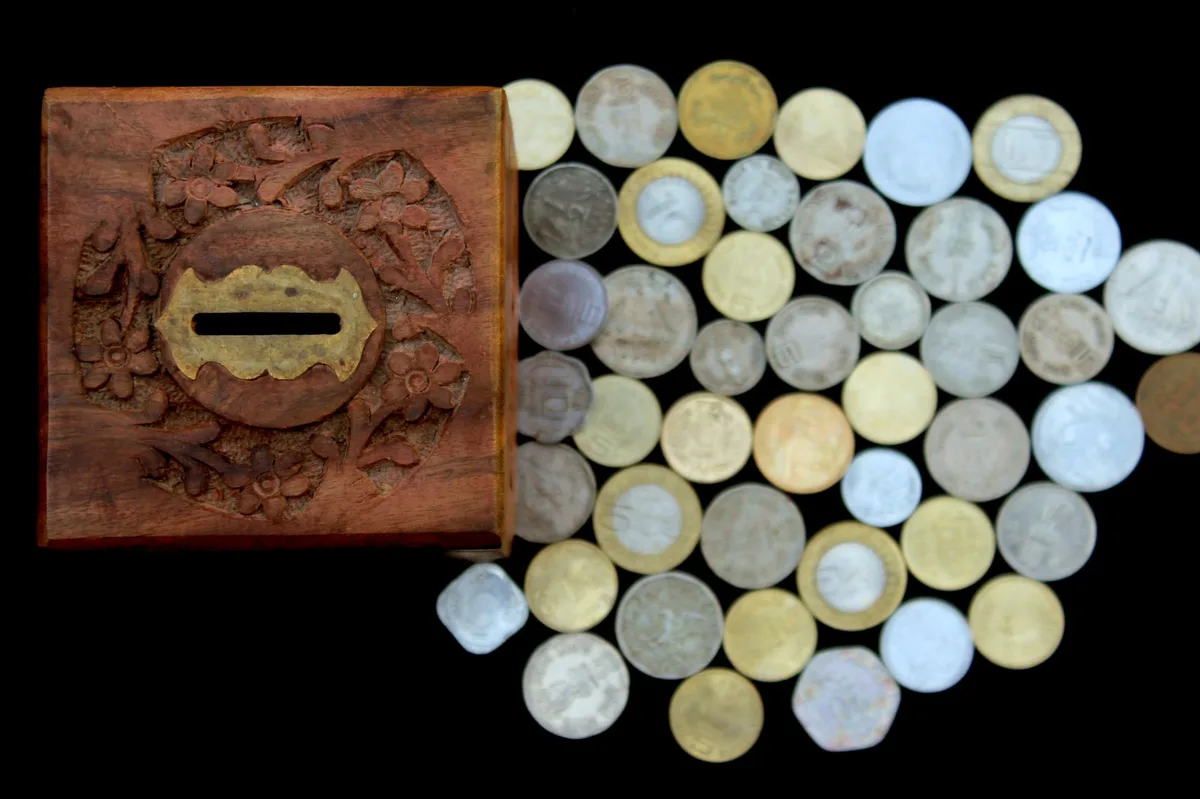
Pexels - Tara Winstead · original
In this article
This article provides general information only and does not constitute personal financial advice. It has been prepared without taking into account your objectives, financial situation or needs. Before acting on any information in this article, you should consider whether it is appropriate for you and seek advice from a licensed financial adviser if necessary.
A sinking fund is a dedicated savings account where you regularly set aside money for expenses that occur less frequently than monthly. Car registration, council rates, annual insurance premiums, and Christmas gifts all arrive predictably, yet they often catch households off guard. By breaking these irregular costs into manageable monthly contributions, you can pay for them without dipping into your emergency fund or reaching for a credit card.
The concept is straightforward: anticipate the expense, divide the total by the number of months until it is due, and transfer that amount into a separate account each month. As explained in foundational budgeting texts such as Principles of Finance, systematic saving for known future obligations removes the financial shock when the bill arrives.
What You Will Learn
This guide walks you through identifying your non-monthly expenses, calculating how much to save each month, choosing the right account, automating your contributions, and maintaining the system over time.
Step 1: Identify Your Non-Monthly Expenses
Start by listing every expense that does not arrive monthly. Common Australian examples include car registration and compulsory third party (CTP) insurance (annual or six-monthly), council rates (quarterly or annual), energy bills (quarterly in many states), water bills (quarterly), private health insurance (monthly, quarterly, or annual), home and contents insurance (annual), car and home maintenance, annual subscriptions, school fees, and holiday and gift spending.
Review your bank statements and calendar for the past 12 months to capture costs you may have forgotten. Note the amount and due date for each. For variable expenses such as energy bills, use the highest recent bill as your estimate.
According to ASIC MoneySmart, tracking irregular expenses is a critical step in creating a realistic household budget that does not rely on credit when predictable bills arrive.
Step 2: Calculate the Monthly Amount to Set Aside
For each expense, divide the total cost by the number of months until it is due. If your car registration is $800 and due in 12 months, set aside $67 per month. If council rates are $1,600 per year paid quarterly, you need $400 every three months, or approximately $133 per month.
Add up the monthly contributions for all your irregular expenses to determine your total sinking fund requirement. If the total is $350 per month across all categories, this amount must fit into your monthly budget alongside rent, groceries, and other regular commitments.
If the total exceeds what you can currently afford, prioritise essential expenses (registration, rates, insurance) and delay discretionary items (holiday fund, subscriptions) until your income increases or other costs decrease.
Step 3: Choose the Right Account
The best sinking fund account is a high-interest savings account (HYSA) that is separate from your everyday transaction account. This separation reduces the temptation to spend sinking fund money on other purchases. Many Australian banks and credit unions offer savings accounts with competitive interest rates and no monthly fees, provided you meet simple conditions such as depositing a minimum amount each month and not making withdrawals.
As of August 2026, introductory rates on some savings accounts exceed 5 per cent per annum, though rates vary and may step down after an introductory period (verify current terms before deciding). Interest earned on your sinking fund balance is assessable income and must be reported in your annual tax return via myTax, but the benefit of earning interest while you save is worth the minor administrative step.
Some people use an offset account linked to their home loan, which reduces the interest charged on the loan without creating assessable income. This strategy works well if you already have an offset facility and want to maximise the benefit of every dollar saved (Finder Australia, 2026).
Step 4: Automate Your Contributions
Set up an automatic transfer from your main transaction account to your sinking fund account on the same day your salary is credited. Automation removes the decision-making burden and ensures you save before you spend.
If you are paid fortnightly, split the monthly sinking fund amount in half and schedule two transfers per month. For example, if you need to save $350 per month, transfer $175 on each payday.
Most Australian banks allow you to create multiple automatic transfers through online banking or their mobile app. Label each transfer clearly (for example, “Sinking fund - rates and rego”) so you can track your progress.
Read also: Emergency Fund Calculator: How Many Months of Expenses Should You Save in Australia?
Step 5: Track and Adjust Regularly
Review your sinking fund balance and upcoming expenses at least once per quarter. If an expense has increased (for example, your insurance premium has risen), recalculate the monthly contribution needed and adjust your automatic transfer.
When you pay a bill from your sinking fund, document the transaction in a simple spreadsheet or budgeting app so you can see which categories have been depleted and which are building as planned. This tracking also highlights whether your initial estimates were accurate or need revision.
Life changes such as buying a second car, moving to a larger property, or adding private health insurance will introduce new irregular expenses. Update your sinking fund allocation promptly to avoid being caught short.
Practical Tips
Use sub-accounts or multiple savings accounts to separate sinking funds by category (one for vehicle costs, another for rates and insurance, a third for holidays and gifts). This makes it easier to see whether you are on track for each goal.
Round your monthly contributions up to the nearest $10 or $20 to create a buffer for cost increases and to keep calculations simple.
If you receive a tax refund, annual bonus, or other windfall, deposit a portion directly into your sinking fund to accelerate your progress or top up categories that are running behind.
Avoid dipping into sinking funds for discretionary spending. If an emergency arises, use your separate emergency fund (typically three to six months of expenses held in a HYSA) rather than raiding money earmarked for known bills.
Common Mistakes to Avoid
The most common mistake is underestimating irregular expenses. Review actual bills rather than guessing amounts, and include a margin for price increases.
Another error is using a single sinking fund for all irregular expenses without tracking individual categories. When multiple bills fall due in the same month, you may find the total fund balance is insufficient because you have overspent from one category.
Failing to adjust for inflation and rate changes leads to shortfalls. Energy costs, insurance premiums, and council rates typically increase each year, so revisit your contributions annually.
Finally, holding your sinking fund in the same account as your everyday spending invites accidental use of the money. Keep it separate and clearly labelled.
Frequently Asked Questions
Is a sinking fund the same as an emergency fund?
No. An emergency fund covers unexpected events such as job loss, urgent medical expenses, or major home repairs. A sinking fund covers known, predictable expenses that are not monthly. Both are essential, but they serve different purposes and should be held in separate accounts.
How many sinking funds should I have?
The number depends on your circumstances. A typical Australian household might maintain three to five sinking funds: one for vehicle costs (registration, insurance, servicing), one for home costs (rates, insurance, maintenance), one for annual subscriptions and memberships, one for holidays and gifts, and one for education or childcare fees if applicable. Too many accounts can be complex to manage, so group related expenses where practical.
What if I cannot afford to fund all my irregular expenses each month?
Prioritise essential expenses tied to legal obligations (registration, rates, insurance) and reduce discretionary categories (holidays, gifts, subscriptions). As your income grows or other debts are paid off, gradually increase your sinking fund contributions. Even partial funding is better than none, as it reduces the amount you must find when the bill arrives.
Conclusion
Sinking funds turn large, irregular bills into predictable monthly savings targets. By identifying your non-monthly expenses, calculating the right monthly contribution, choosing a high-interest savings account, and automating the process, you can pay for car registration, council rates, and insurance premiums without financial stress. Review and adjust your sinking fund regularly to keep pace with cost increases and changing circumstances, and keep this money separate from your emergency fund and everyday spending.
Sources
- Budgeting and Saving Tools (accessed )
- Individuals and Families (accessed )
- Savings Accounts Comparison (accessed )
- Principles of Finance (accessed )
Related articles
Emergency Fund Calculator: How Much to Save and Where to Keep It in Australia
Calculate how much to save in your emergency fund and discover the best places to keep it in Australia for instant access and security.
Melbourne Cup Long Weekend: How to Budget for Spring Spending in Australia
Budget for Melbourne Cup long weekend spending with this practical guide. Set limits, track expenses, and avoid spring carnival money traps.

Personal Budgeting in Australia: Zero-Based Versus the 50-30-20 Rule
Compare zero-based budgeting and the 50-30-20 rule to find the best budgeting method for your Australian finances.
