ISA Mid-Year Check in the UK: Using Your Allowance Before the April Deadline
We're halfway through the tax year. Here's how to check your ISA contributions so far and make the most of your remaining £20,000 allowance before 5 April 2027.
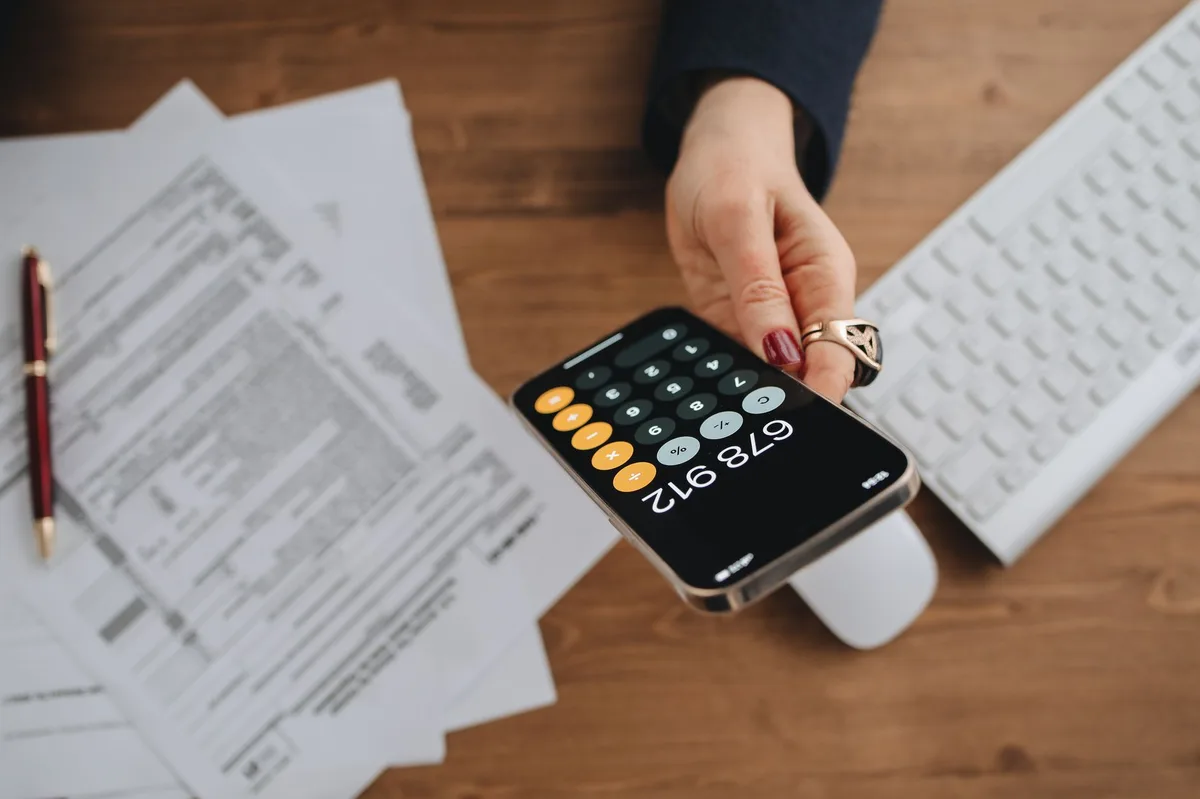
Pexels - Polina Tankilevitch · original
In this article
The UK tax year runs from 6 April to 5 April. If you opened an ISA in April 2026, you’re now roughly halfway through the 2026-27 tax year. Your £20,000 annual ISA allowance resets on 6 April each year, and any unused portion does not carry forward. Use it or lose it.
According to HMRC, you can split your £20,000 allowance across different ISA types in the same tax year: Cash ISA, Stocks and Shares ISA, Lifetime ISA (up to £4,000 of your total allowance), and Innovative Finance ISA (HMRC, 2026). You cannot open two of the same type in one tax year, but you can transfer between providers without losing your allowance.
Here is your mid-year ISA checklist before the April deadline.
1. Find Out How Much You Have Contributed So Far
Contact your ISA provider or check your online account. Most providers show year-to-date contributions on your dashboard. If you hold ISAs with multiple providers, you need to check each one separately and add them together.
Your total contributions across all ISA types must not exceed £20,000 in the 2026-27 tax year. If you have a Lifetime ISA, remember that the maximum you can put into it is £4,000 per tax year, and this counts towards your overall £20,000 limit.
2. Calculate Your Remaining Allowance
Subtract your total contributions from £20,000. For example, if you have put £8,000 into a Cash ISA and £2,000 into a Stocks and Shares ISA, you have £10,000 of allowance remaining.
If you have contributed £4,000 to a Lifetime ISA, you have used that product’s annual limit, but you still have £16,000 left to use in other ISA types before 5 April 2027.
3. Review Where Your Money Is Currently Held
Check the interest rate on your Cash ISA. Rates change regularly, and your provider may have reduced your rate since you opened the account. Compare your current rate with the best easy-access and fixed-rate Cash ISAs on the market. MoneyHelper and independent comparison sites publish updated tables (MoneyHelper, 2026).
If you hold a Stocks and Shares ISA, review your portfolio performance and fees. Platform charges, fund management fees, and trading costs all reduce your net return.
4. Decide How to Use Your Remaining Allowance
You have several options for the unused portion of your ISA allowance:
Cash ISA: Suitable for emergency funds or short-term savings. Your returns are protected from tax, and your deposit is covered by the FSCS up to £85,000 per authorised institution. As of October 2026, check current Cash ISA rates, as they track movements in the Bank of England base rate.
Stocks and Shares ISA: For longer-term goals (five years or more). You can hold shares, funds, investment trusts, and ETFs. Your dividends and capital gains are sheltered from tax. This option carries investment risk; your capital can fall as well as rise.
Read also: ISA Allowance 2026 to 2027 in the UK: How to Use Your Full £20,000
Lifetime ISA: Only available if you are aged 18 to 39. You receive a 25 per cent government bonus on contributions up to £4,000 per year, but you face a withdrawal penalty unless you use the funds to buy your first home or reach age 60. You cannot open a new Lifetime ISA if you are aged 40 or over.
Innovative Finance ISA: For peer-to-peer lending and crowdfunded debt. Higher potential returns come with higher risk, and FSCS protection does not cover investment losses.
5. Set Up Contributions Before 5 April 2027
Do not wait until the last day. Providers can experience processing delays in late March and early April as savers rush to use their allowances. Aim to complete your contributions by mid-March at the latest.
If you have a lump sum to invest, you can deposit it in one go. If you prefer to spread the risk (a strategy known as pound-cost averaging), set up a standing order or Direct Debit for monthly contributions between now and April.
6. Do Not Exceed the £20,000 Limit
HMRC monitors ISA contributions. If you accidentally go over the annual allowance, you will be contacted and asked to withdraw the excess. The excess amount loses its tax-free status, and you may face additional charges from your provider (HMRC, 2026).
Keep your own records. If you switch providers or open multiple ISAs in the same tax year, the responsibility for tracking your total contributions rests with you.
7. Consider Transferring Previous Years’ ISA Savings
You can transfer ISA savings from previous tax years between providers without affecting your current year’s £20,000 allowance. Transfers must go through the official ISA transfer process. Do not withdraw the money yourself and redeposit it, or you will lose the tax-free wrapper.
Transferring old Cash ISA balances to a higher-rate account, or moving a Stocks and Shares ISA to a lower-cost platform, can improve your overall returns without using new allowance.
8. Plan for the Next Tax Year
On 6 April 2027, you receive a fresh £20,000 ISA allowance. If you regularly save or invest, consider setting up automatic contributions from April onwards so you use the new allowance early in the tax year. Compound returns benefit from time in the market.
If you expect a pay rise, bonus, or inheritance in the coming months, factor that into your ISA planning now.
Financial Disclaimer
This article provides general educational guidance on ISA allowances and the UK tax year deadline. It is not regulated financial advice. Nexzoe is not authorised by the Financial Conduct Authority. ISA rules, contribution limits, interest rates, and tax treatment can change. Before making any ISA investment or transfer decision, verify current terms with an FCA-authorised Independent Financial Adviser or consult the relevant provider directly. Past performance of investments does not guarantee future returns, and your capital is at risk in a Stocks and Shares ISA or Innovative Finance ISA.
Sources
- Individual Savings Accounts (ISAs) (accessed )
- Individual Savings Accounts (accessed )
- Cash ISAs (accessed )
Related articles
Why Investing in an ISA in the UK Matters More Than Ever and How to Make the Most of Yours in the New Tax Year
ISAs shield your savings and investments from tax in an era of frozen allowances. Learn how to maximise your £20,000 ISA allowance for the 2026/27 tax year.

ISA Allowance 2026 to 2027 in the UK: How to Use Your Full £20,000
Maximise your £20,000 ISA allowance for 2026-2027. Learn how to split between Cash ISAs, Stocks and Shares ISAs, and Lifetime ISAs tax-efficiently.
ISA Changes 2026 in the UK: How to Prepare for the Cash Holdings Charge and First-Time Buyer ISA Reforms
How to prepare for UK ISA changes in 2026, including the cash holdings charge and first-time buyer ISA reforms.
