How to Invest in ETFs in Australia: A Beginner Guide to the ASX
Learn how exchange-traded funds work on the Australian Securities Exchange and how to start building a diversified portfolio with low-cost index ETFs.

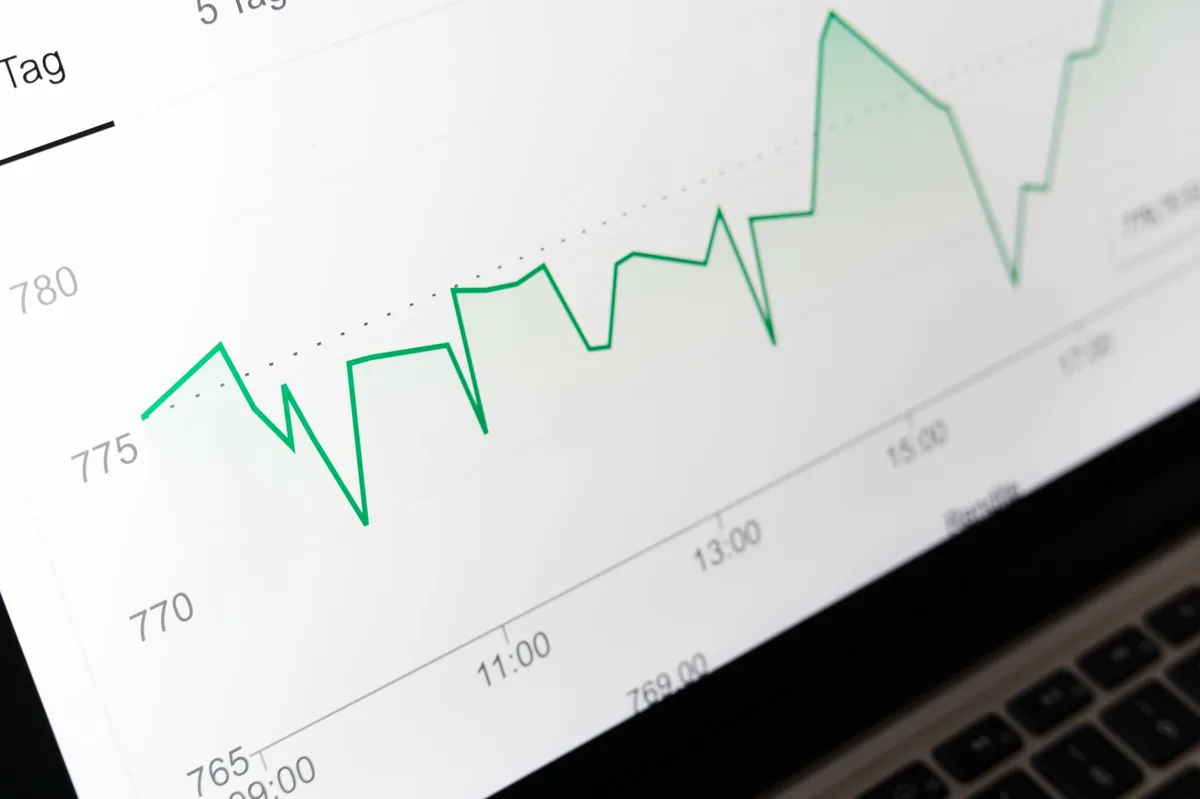
Pexels - Rafael Minguet Delgado · original
In this article
This article provides general information only and does not constitute personal financial advice. It has been prepared without taking into account your objectives, financial situation or needs. Before acting on any information in this article, you should consider whether it is appropriate for you and seek advice from a licensed financial adviser if necessary.
What Are ETFs?
Exchange-traded funds (ETFs) are investment funds that hold a basket of assets such as shares, bonds, or commodities, and trade on the Australian Securities Exchange (ASX) just like individual company shares. When you buy one unit of an ETF, you gain exposure to all the underlying assets the fund holds, instantly diversifying your investment across dozens or hundreds of securities.
According to the Australian Securities Exchange, ETFs combine the diversification benefits of managed funds with the flexibility and transparency of share trading. Unlike traditional managed funds, ETFs are bought and sold throughout the trading day at market prices, and their holdings are disclosed daily.
Why ETFs Matter for Australian Investors
ETFs offer several advantages that make them particularly attractive for beginner investors building long-term wealth. First, they provide instant diversification. Rather than researching and buying 20 or 30 individual ASX shares, you can purchase a single ETF that tracks the ASX 200 index and gain exposure to 200 of Australia’s largest companies.
Second, ETFs typically charge much lower fees than actively managed funds. Many index ETFs tracking the ASX 200 or ASX 300 charge management fees below 0.10% per year, compared to 1% to 2% for active funds. Over decades, these lower fees compound into significantly higher returns.
Third, ETFs offer tax efficiency. Many Australian ETFs distribute franked dividends, which come with franking credits attached. If your marginal tax rate is lower than the 30% company tax rate, you may receive a refund from the Australian Taxation Office when you lodge your tax return.
How ETFs Work on the ASX
ASX-listed ETFs function like ordinary shares. You buy and sell them through a stockbroker or online trading platform during market hours (10:00 am to 4:00 pm AEST, Monday to Friday). Each ETF has a unique ticker code. For example, VAS (Vanguard Australian Shares Index ETF) tracks the ASX 300, while IOZ (iShares Core S&P/ASX 200 ETF) tracks the ASX 200.
When you purchase an ETF, your ownership is recorded on the CHESS (Clearing House Electronic Subregister System) under your unique Holder Identification Number (HIN). This means you directly own the units, not the broker. If your broker ceases operations, your ETF holdings remain safe under your HIN.
ETFs can be broadly categorised into index ETFs (which passively track a market index like the ASX 200), sector ETFs (which focus on specific industries such as technology or healthcare), international ETFs (which provide exposure to overseas markets), and A-REITs ETFs (which invest in Australian real estate investment trusts). As foundational texts such as Principles of Finance explain, diversification across asset classes and geographies reduces portfolio risk without necessarily sacrificing returns.
Steps to Invest in ASX ETFs
1. Open a brokerage account. Choose an online broker or trading platform that offers access to the ASX. Popular options include CommSec, SelfWealth, Stake, and CMC Markets. Compare brokerage fees, as these vary widely (from around $5 to $20 per trade). Ensure the broker provides CHESS sponsorship so your holdings are registered under your HIN.
Read also: How to Invest in ASX ETFs in Australia: A Beginner’s Guide to Platforms and Strategies
2. Decide on your investment strategy. Determine your goals, risk tolerance, and time horizon. Beginners often start with a broad Australian index ETF (such as VAS or IOZ) or a diversified global ETF. Consider whether you want Australian-only exposure, international diversification, or a mix.
3. Research ETFs. Review the ETF’s Product Disclosure Statement (PDS), which outlines the investment objective, fees, risks, and holdings. Check the management expense ratio (MER), tracking error (how closely the ETF follows its index), and liquidity (average daily trading volume). Higher liquidity generally means tighter bid-ask spreads and lower trading costs.
4. Place your order. Log into your brokerage account, search for the ETF by ticker code, and enter the number of units you wish to buy. You can use a market order (executed immediately at the current price) or a limit order (executed only if the price reaches your specified level).
5. Monitor and rebalance. ETFs are designed for long-term holding, but review your portfolio periodically to ensure it still aligns with your goals. Some investors rebalance annually or when their asset allocation drifts significantly from their target.
Australian Tax and Regulatory Considerations
ETFs distribute income (dividends, interest, or rent) to unitholders, typically quarterly or half-yearly. These distributions are assessable income and must be reported on your tax return. The ATO requires you to keep records of purchase prices, distribution statements, and sale proceeds to calculate capital gains tax when you sell units (as of August 2026; verify current requirements at ato.gov.au).
If you hold an ETF for 12 months or more before selling, you are eligible for the 50% capital gains tax discount. This means only half of your net capital gain is added to your assessable income. International ETFs may distribute unfranked income and may be subject to foreign withholding tax, so check the ETF’s PDS and consult a registered tax agent if needed.
ASIC MoneySmart recommends that investors understand the risks: ETF unit prices fluctuate with the underlying assets, past performance is not a reliable indicator of future performance, and you can lose money, particularly in the short term.
Conclusion
Investing in ETFs on the ASX offers Australian investors a simple, low-cost way to build a diversified portfolio. By understanding how ETFs work, choosing the right products for your goals, and following a disciplined long-term approach, you can participate in the growth of Australian and global markets. Start with a solid foundation, keep fees low, and remember that time in the market generally beats timing the market. Before making any investment decision, verify current product terms, fees, and tax treatment, and consider seeking advice from a licensed financial adviser.
Sources
- Investor Education - Exchange Traded Funds (accessed )
- Investing and Assets (accessed )
- Shares and ETFs (accessed )
- Principles of Finance (accessed )
Related articles

How to Invest in ETFs in Australia: A Beginner's Guide to the ASX
A complete beginner's guide to investing in exchange-traded funds on the Australian Securities Exchange, covering ETF basics, tax, and how to start.
Investment Accounts in Australia: A Complete Guide to Getting Started
Understand investment accounts in Australia: brokerage accounts, super, managed funds, and how to choose the right platform for ASX investing.
Are ASX ETFs the New Vehicle for Easy Dividend Investing in Australia?
ASX dividend ETFs offer diversified income with franking credits and low fees. Learn how they work and whether they suit Australian investors.
