Discover the Top 7 ASX Gold ETFs for Australian Investors
Compare the leading gold exchange-traded funds on the Australian Securities Exchange to add precious metal exposure to your portfolio.
Pexels - Zlaťáky.cz · original
In this article
This article provides general information only and does not constitute personal financial advice. It has been prepared without taking into account your objectives, financial situation or needs. Before acting on any information in this article, you should consider whether it is appropriate for you and seek advice from a licensed financial adviser if necessary.
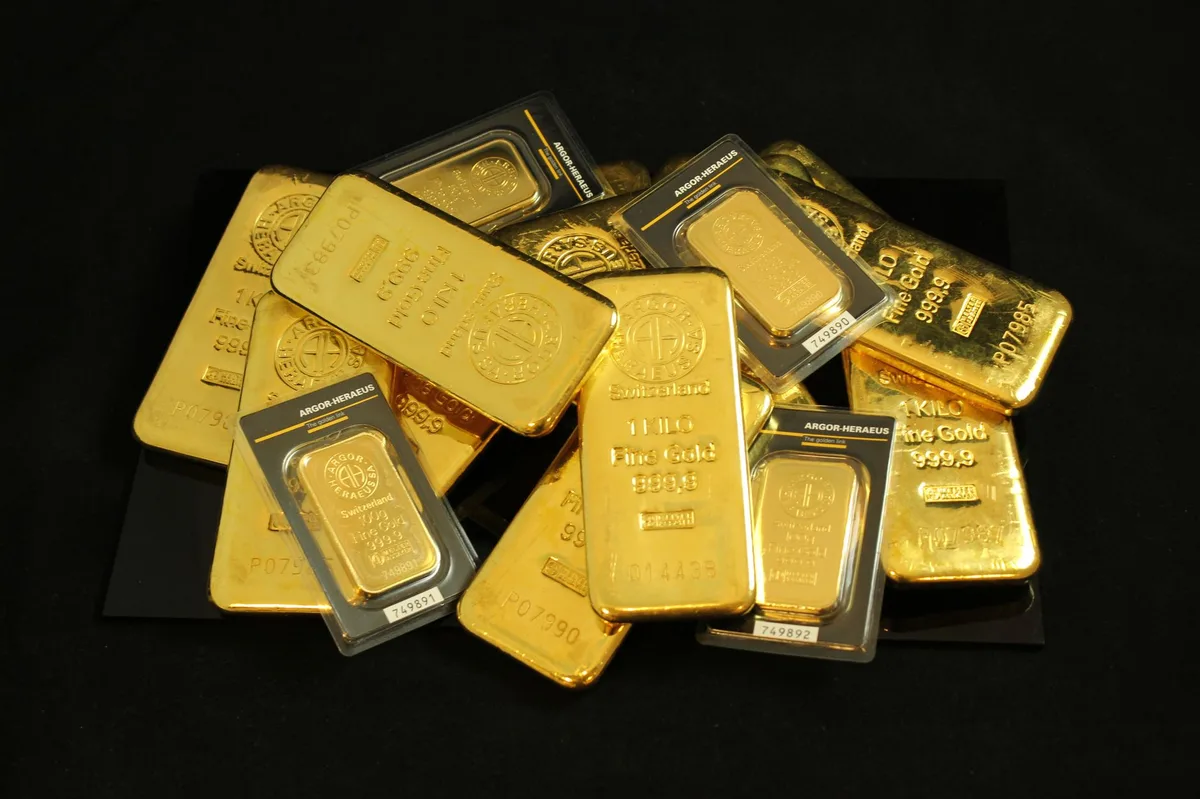
Gold has long served as a portfolio diversifier and inflation hedge. For Australian investors, gold exchange-traded funds (ETFs) listed on the ASX offer a liquid, cost-effective way to gain exposure to the precious metal without the complexities of storing physical bullion or the concentrated risk of individual gold mining shares.
Gold ETFs fall into two broad categories: physically backed funds that hold gold bullion in secure vaults, and equity funds that invest in shares of gold mining companies. As covered in foundational investment texts such as Principles of Finance, ETFs provide diversification benefits and trade on exchanges like ordinary shares, making them accessible to retail investors (Principles of Finance, OpenStax).
Below are seven of the most established ASX-listed gold ETFs, each offering distinct characteristics to suit different investment objectives.
1. ETFS Physical Gold (ASX: GOLD)
GOLD is Australia’s largest and most liquid gold ETF by assets under management. Each unit represents a beneficial interest in physical gold bullion stored in secure vaults in London. The fund is structured as an exchange-traded commodity, and the gold holdings are fully allocated, meaning specific bars are assigned to the fund rather than pooled with other assets.
Key features: Management fee of approximately 0.40% per annum (verify current fees before investing). No exposure to gold mining company risk. Units can be redeemed for physical gold by authorised participants. Highly liquid with tight bid-ask spreads.
Best for: Investors seeking direct exposure to the gold price with minimal tracking error.
2. BetaShares Gold Bullion ETF (ASX: QAU)
QAU is a currency-hedged, physically backed gold ETF that tracks the Australian dollar gold price. The fund holds physical gold bullion stored in vaults in London, with holdings audited regularly. The currency hedge means the ETF aims to track movements in the AUD gold price, not the USD gold price.
Key features: Management fee of approximately 0.59% per annum. Currency hedged to AUD. Physically backed with allocated gold. Smaller average spreads than some competitors.
Best for: Australian investors who want gold exposure without currency risk from USD fluctuations.
3. Perth Mint Gold (ASX: PMGOLD)
PMGOLD offers exposure to physical gold backed by the Government of Western Australia through the Perth Mint. The fund holds gold in allocated accounts at the Perth Mint, an institution with over 120 years of precious metals expertise. This domestic custody structure appeals to investors who prefer Australian-held bullion.
Key features: Management fee of approximately 0.15% per annum, among the lowest for physical gold ETFs. Gold held in Australia. Government guarantee of Western Australia. Currency unhedged (tracks USD gold price in AUD terms).
Best for: Cost-conscious investors who value local custody and government backing.
4. VanEck Gold Miners ETF (ASX: GDX)
GDX provides exposure to a global portfolio of gold mining companies rather than physical bullion. The fund tracks the NYSE Arca Gold Miners Index, which includes large-cap producers such as Newmont, Barrick Gold, and Agnico Eagle. Mining equities typically exhibit higher volatility than the gold price itself, offering leverage to gold price movements (both upside and downside).
Key features: Management fee of approximately 0.53% per annum. Diversified across 50 or more gold mining companies. Unhedged to AUD. Dividend income from underlying miners.
Best for: Investors seeking leveraged exposure to gold prices through equity ownership and willing to accept higher volatility.
5. BetaShares Global Gold Miners ETF (ASX: MNRS)
MNRS tracks an index of global gold mining companies, including both large producers and mid-tier miners. The fund offers broader diversification across the gold mining sector than single-country or concentrated portfolios, reducing company-specific risk while maintaining exposure to the gold price through operating leverage.
Read also: 3 ASX ETFs for Investors Chasing Yield and Growth in Australia
Key features: Management fee of approximately 0.57% per annum. Global diversification across gold producers. Unhedged currency exposure. Rebalanced regularly to reflect index changes.
Best for: Investors who want equity exposure to the gold mining sector with global diversification.
6. Global X Physical Gold (ASX: GOLD) (Alternative Ticker)
Note: If GOLD is already listed under ETFS, this would be a different fund. Some providers offer multiple share classes or currency-hedged variants. Verify the exact issuer and structure before investing.
Key features: Physically backed. Competitive management fees. Check prospectus for specific custody arrangements and hedging policy.
Best for: Investors comparing physical gold options and seeking the lowest cost or preferred custody location.
7. Aberdeen Standard Physical Gold Shares ETF (ASX: ETPMAG)
ETPMAG is a physically backed gold ETF that holds allocated gold bullion in secure vaults. The fund is structured as an exchange-traded managed fund, and each unit represents a proportionate interest in the gold holdings. The fund is unhedged to AUD, meaning returns reflect both the USD gold price and AUD/USD exchange rate movements.
Key features: Management fee of approximately 0.40% per annum. Physically allocated gold. Unhedged to AUD. Regular audits of gold holdings.
Best for: Investors seeking physical gold exposure with established custody and audit standards.
What to Consider When Choosing a Gold ETF
Physical vs. equity exposure: Physically backed ETFs track the gold spot price closely, while gold miners ETFs offer equity exposure with operational and financial leverage to the gold price. Miners can outperform during gold rallies but also carry company-specific risks such as production disruptions, cost inflation, and management decisions.
Currency hedging: Unhedged gold ETFs expose Australian investors to both the USD gold price and the AUD/USD exchange rate. A falling Australian dollar boosts returns from unhedged gold, while a rising AUD reduces them. Currency-hedged funds (such as QAU) isolate the AUD gold price.
Management fees: Fees range from around 0.15% to 0.59% per annum for physical gold ETFs, and slightly higher for equity gold ETFs. Over long holding periods, lower fees compound to significant savings.
Liquidity and spreads: Larger ETFs such as GOLD typically offer tighter bid-ask spreads, reducing the cost of entering and exiting positions. Check average daily volume and spreads before trading.
Tax treatment: Gold ETFs held for more than 12 months qualify for the 50% CGT discount for Australian residents. Gains are added to assessable income. Physically backed ETFs do not generate franking credits. Equity gold ETFs may distribute franked or unfranked dividends depending on the domicile of underlying holdings. Verify current tax treatment at ato.gov.au.
According to ASIC MoneySmart, investors should understand the risks and costs of ETFs before investing, including tracking error, liquidity risk, and the impact of management fees over time (MoneySmart). The ASX provides educational resources on how ETFs work and the role they play in diversified portfolios (ASX).
Conclusion
Gold ETFs offer Australian investors flexible, cost-effective access to precious metal exposure. Physically backed funds such as GOLD, QAU, and PMGOLD provide direct tracking of the gold price with varying fee structures, currency hedges, and custody arrangements. Equity-based funds such as GDX and MNRS offer leveraged exposure through global gold miners, with higher volatility and the potential for dividend income.
Your choice depends on your investment goals, risk tolerance, currency view, and preference for physical or equity exposure. Review the product disclosure statement (PDS) for each ETF, compare management fees and liquidity, and consider how gold fits within your broader asset allocation before investing. Past performance is not a reliable indicator of future results, and gold prices can be volatile.
Sources
- ETFs and Managed Funds (accessed )
- ASX Investor Education (accessed )
- Investments and Assets (accessed )
- Principles of Finance (accessed )
Related articles

Are ASX ETFs the New Vehicle for Easy Dividend Investing in Australia?
ASX dividend ETFs offer diversified income with franking credits and low fees. Learn how they work and whether they suit Australian investors.

Top 20 Most Popular ETFs in Australia Right Now
The 20 most popular ETFs on the ASX right now, covering Australian shares, international exposure, property, bonds and sector-specific plays.
3 ASX ETFs for Investors Chasing Yield and Growth in Australia
Discover three ASX ETFs offering dividend yield and growth potential, with franking credits, diversification and capital appreciation for Australian investors.
